
FAQ: Septic Emergencies in Mississippi – What to Do and How GreenPro Can Help
December 14, 2023
FAQ: Septic Emergencies in Mississippi – What to Do and How GreenPro Can Help
Q1: What constitutes a septic system emergency in Mississippi?
A septic system emergency in Mississippi includes sewage backups, foul odors, standing water near the tank, gurgling pipes, and slow drains. These issues indicate a potential system failure or blockage and require immediate attention.
Q2: What should I do if I experience a septic emergency in Mississippi?
In case of a septic emergency, follow these steps:
1. Stop Water Usage: Reduce water use to prevent further stress on your septic system.
2. Avoid DIY Fixes: Refrain from attempting DIY repairs, as they can worsen the problem.
3. Contact GreenPro: Call GreenPro immediately for 24/7 emergency assistance.
Q3: Is GreenPro available for septic emergencies 24/7 in Mississippi?
Yes, GreenPro offers 24/7 emergency response services for septic system problems in Mississippi. Our team is ready to address your urgent needs promptly.
Q4: What can I expect from GreenPro's emergency response in Mississippi?
When you contact GreenPro during a septic emergency, expect a swift response. Our trained professionals will arrive at your location equipped to assess and resolve the issue efficiently.
Q5: Can GreenPro handle all types of septic emergencies in Mississippi?
Yes, GreenPro has the expertise to address various septic emergencies, including backups, blockages, tank overflows, and more. We have the necessary equipment and knowledge to tackle any situation.
Q6: How can I prevent septic emergencies in Mississippi?
Preventing septic emergencies involves regular maintenance, proper waste disposal, and water conservation. Schedule routine inspections, pump your tank as needed, and avoid flushing non-biodegradable items or excess grease.
Q7: Is it safe to use my plumbing fixtures during a septic emergency in Mississippi?
During a septic emergency, it's best to minimize water usage until the issue is resolved. Using plumbing fixtures can exacerbate the problem and lead to further damage.
Q8: Can GreenPro help with septic system repairs after an emergency in Mississippi?
Absolutely. GreenPro not only provides emergency response but also offers comprehensive septic system repair services in Mississippi to address any damage or issues that may arise during an emergency.
Q9: What if I suspect a septic emergency but I'm not sure?
If you suspect a septic emergency but are unsure, it's better to be cautious. Contact GreenPro for a professional assessment. We can determine the severity of the situation and take appropriate action.
Q10: How can I reach GreenPro for septic emergencies in Mississippi?
For septic emergencies in Mississippi, contact GreenPro at our 24/7 emergency hotline: Emergency Contact.
At GreenPro, we understand the urgency of septic emergencies and are dedicated to providing fast, reliable, and expert assistance to Mississippi residents. Your safety and the health of your septic system are our top priorities.
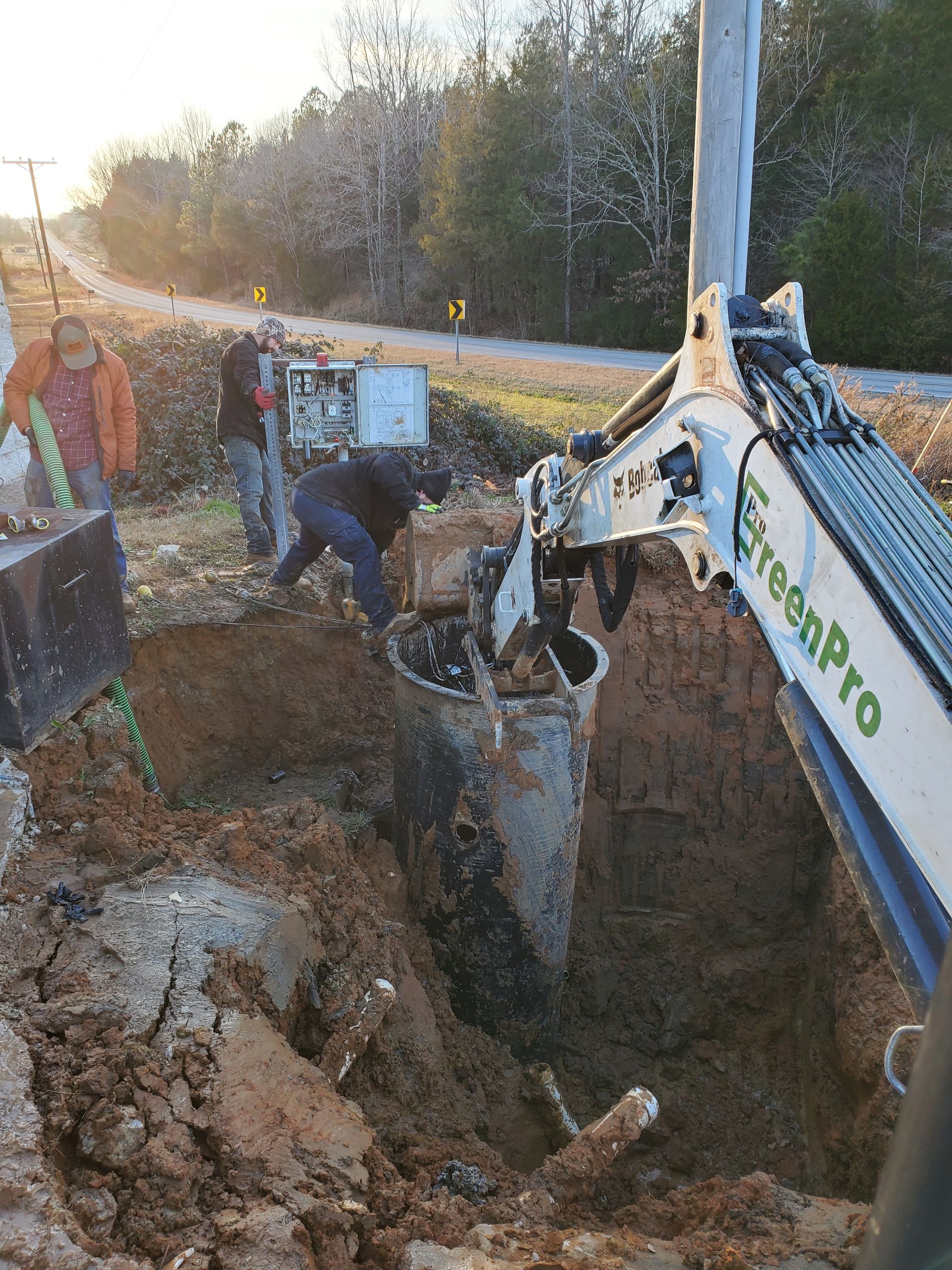


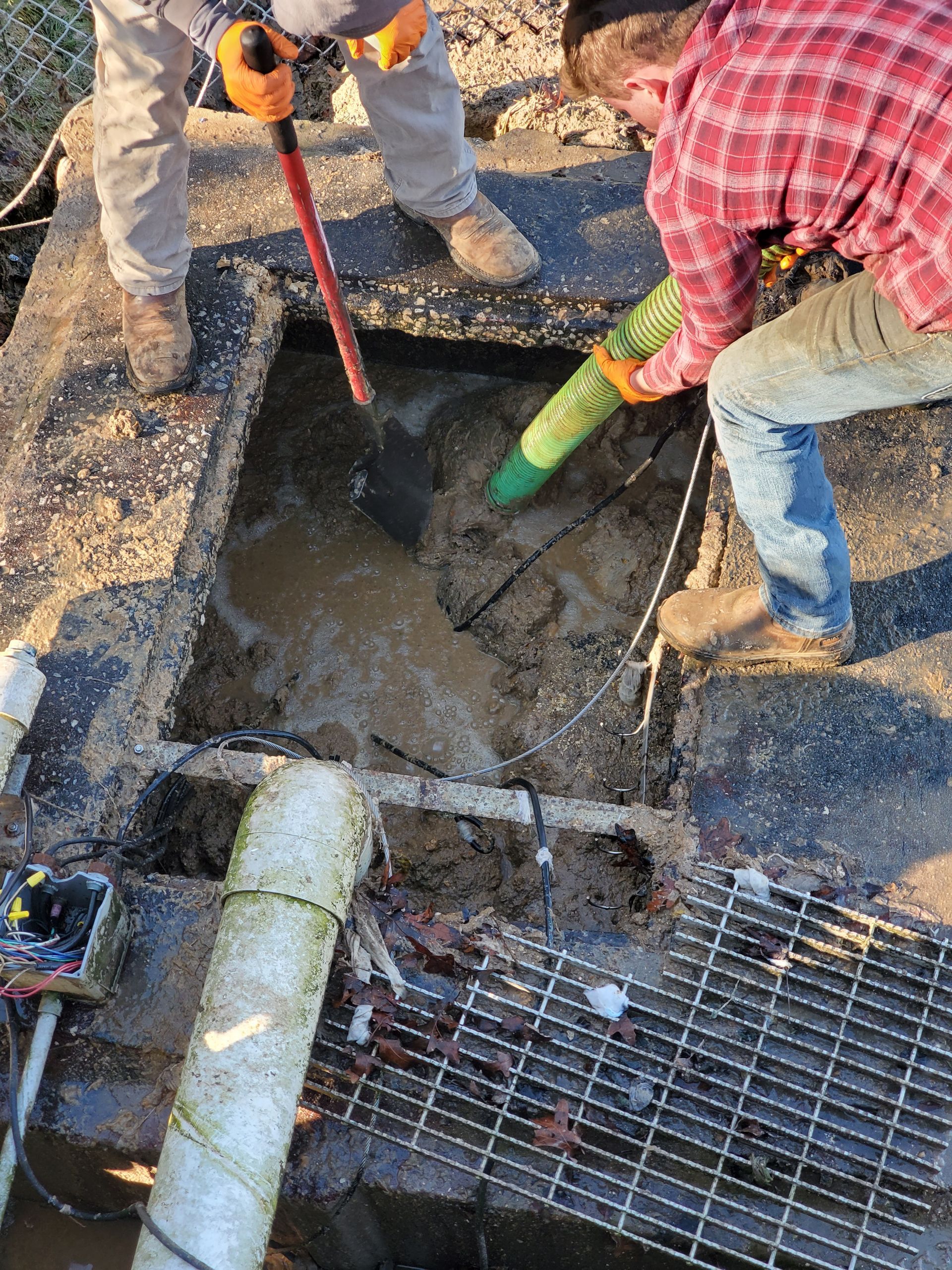
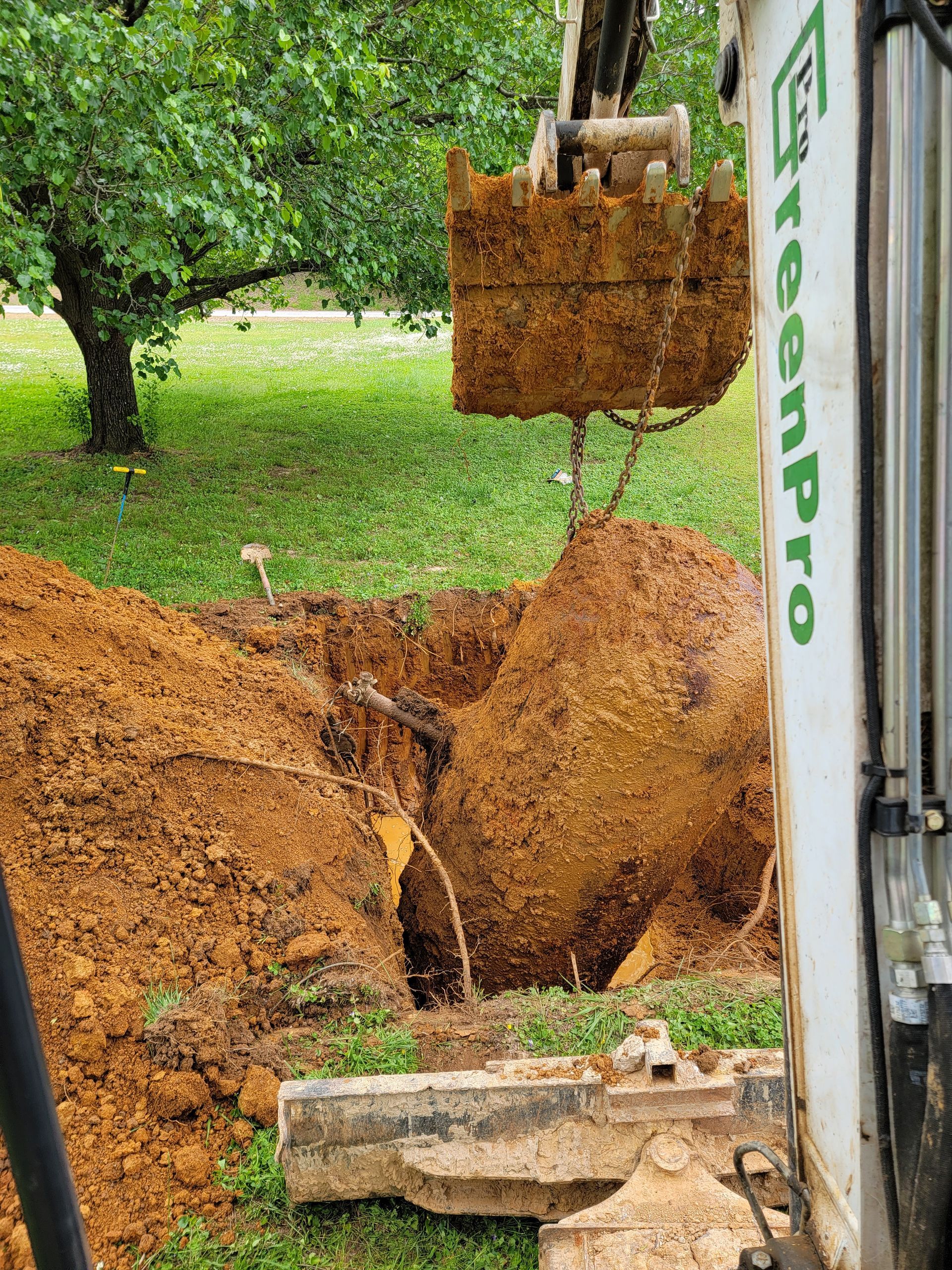
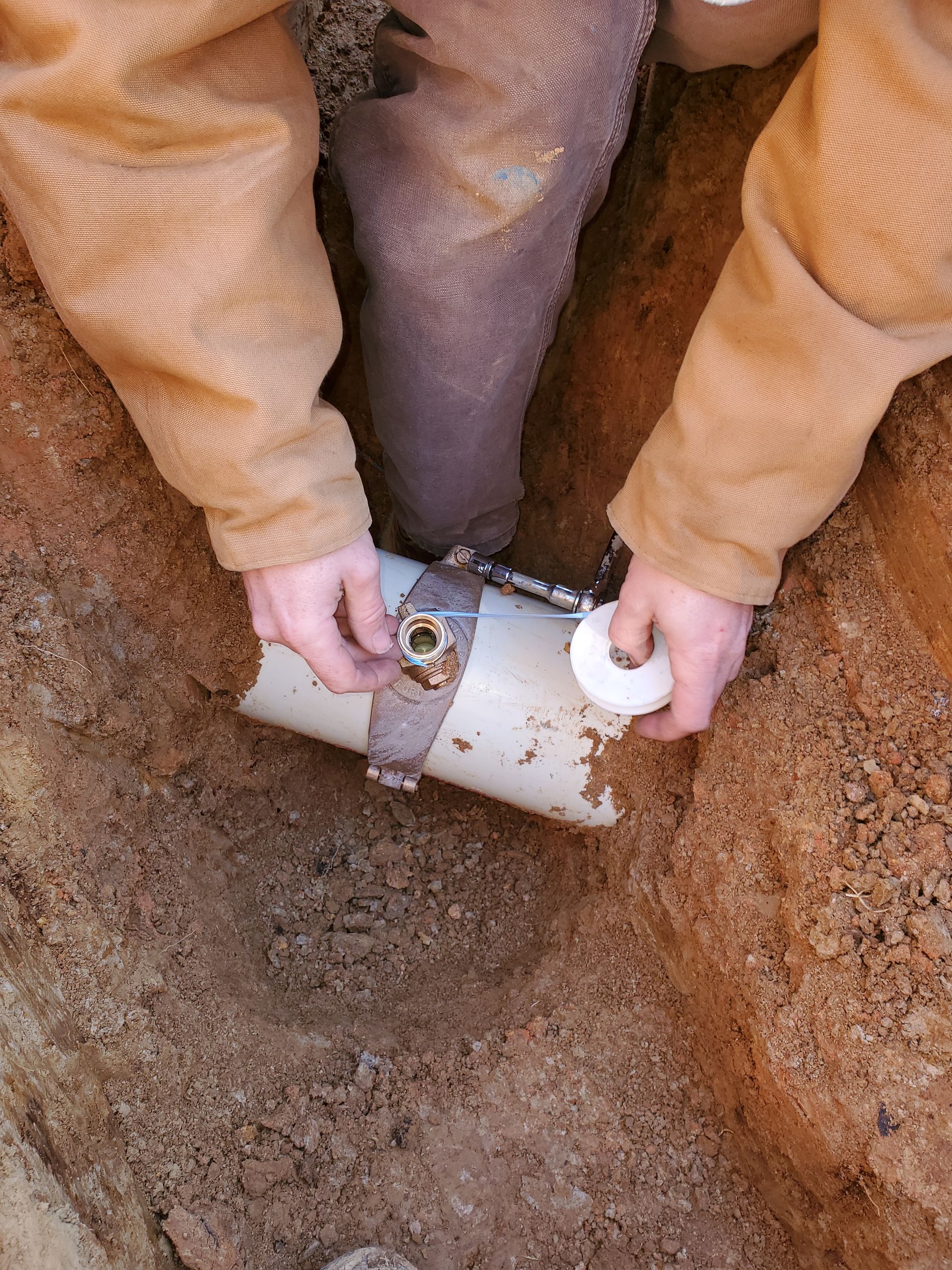









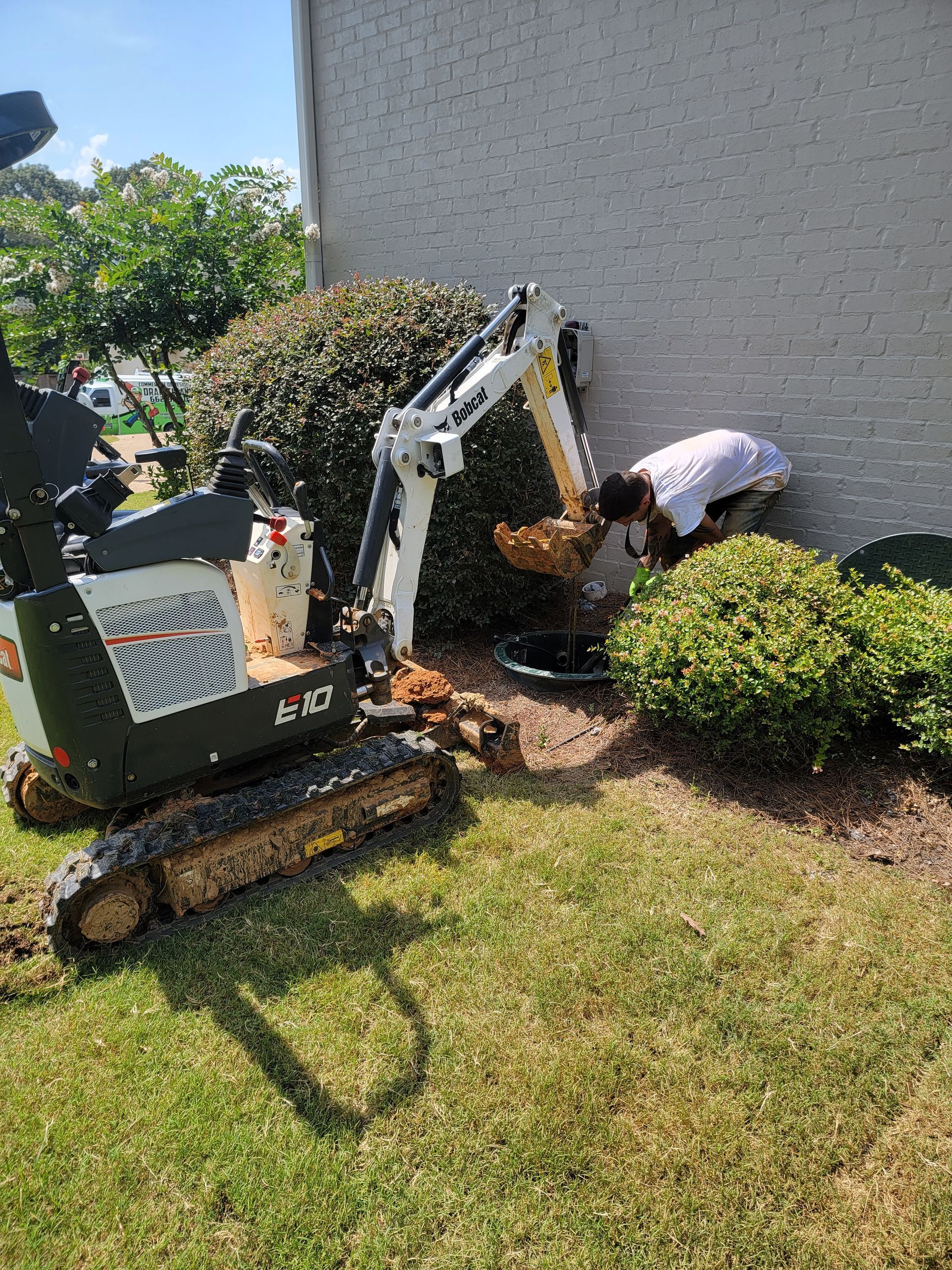
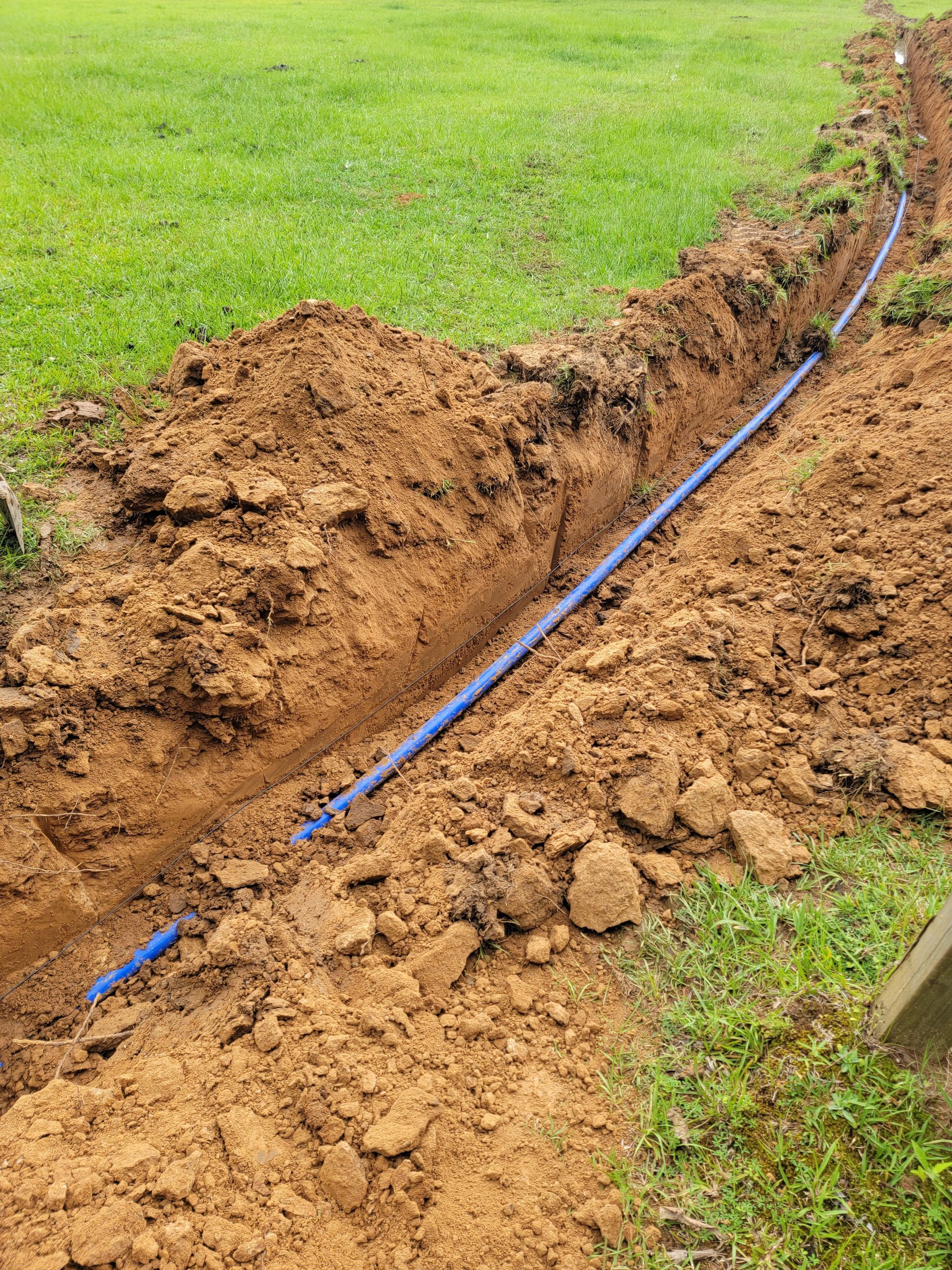
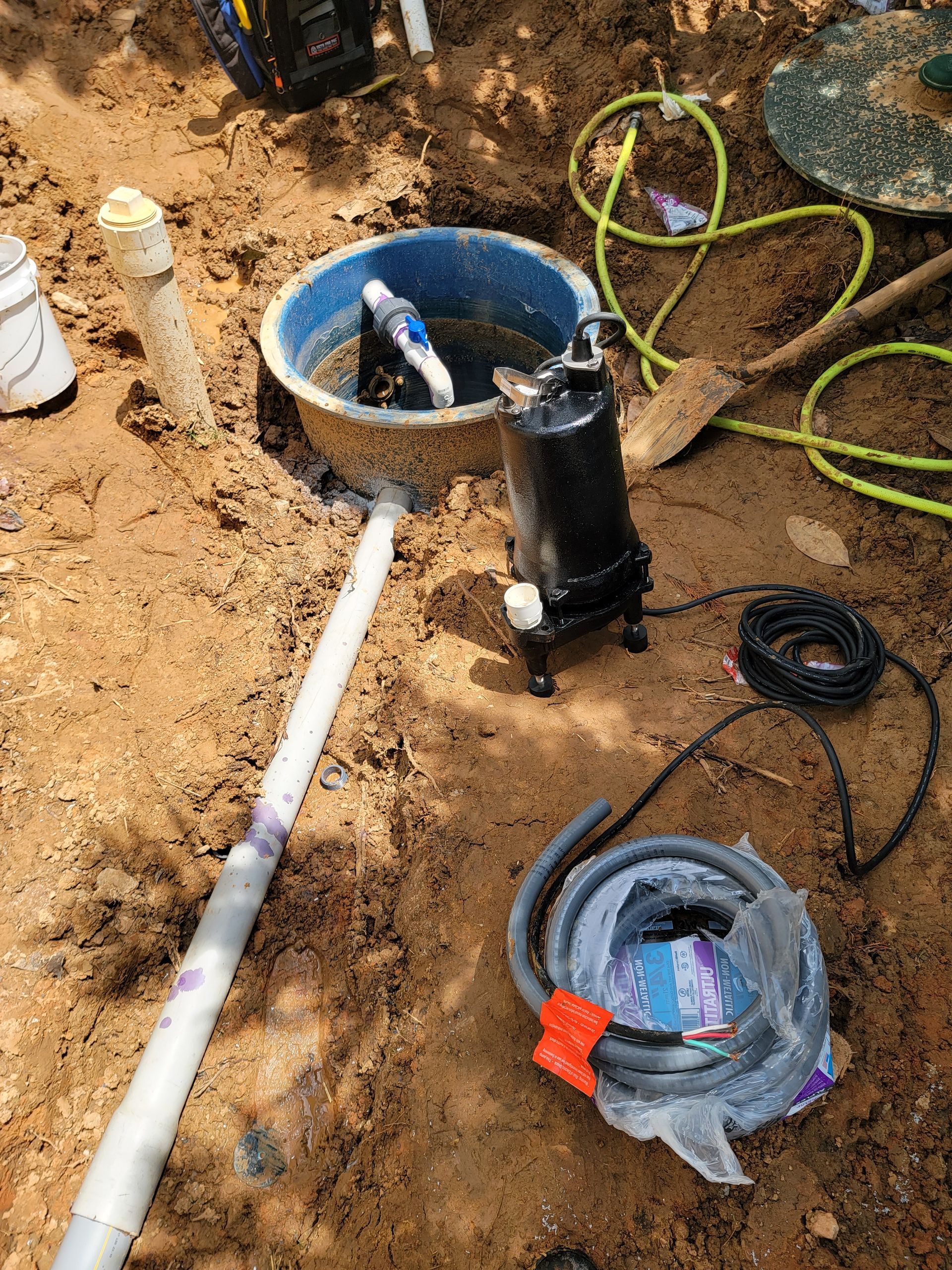
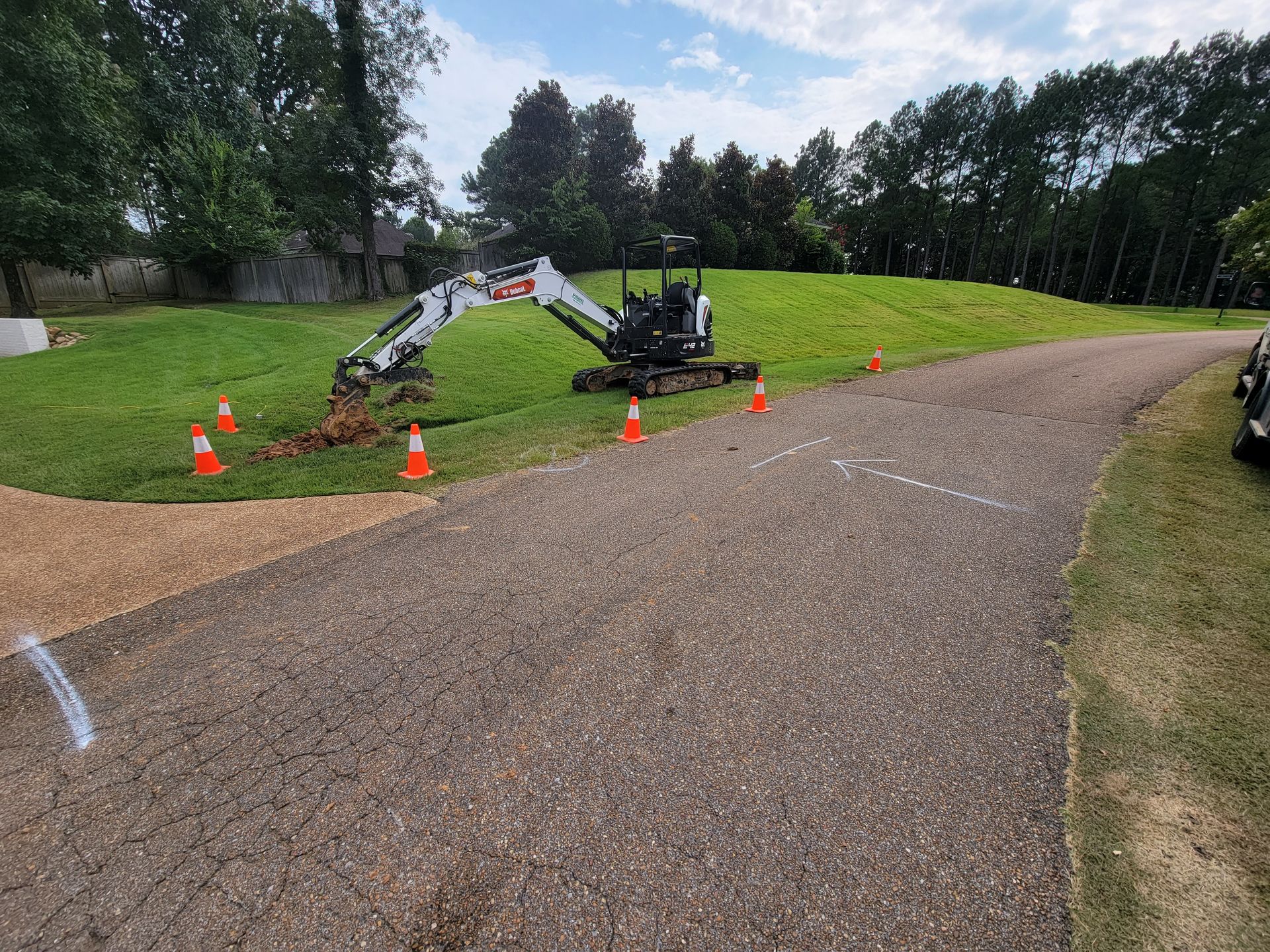


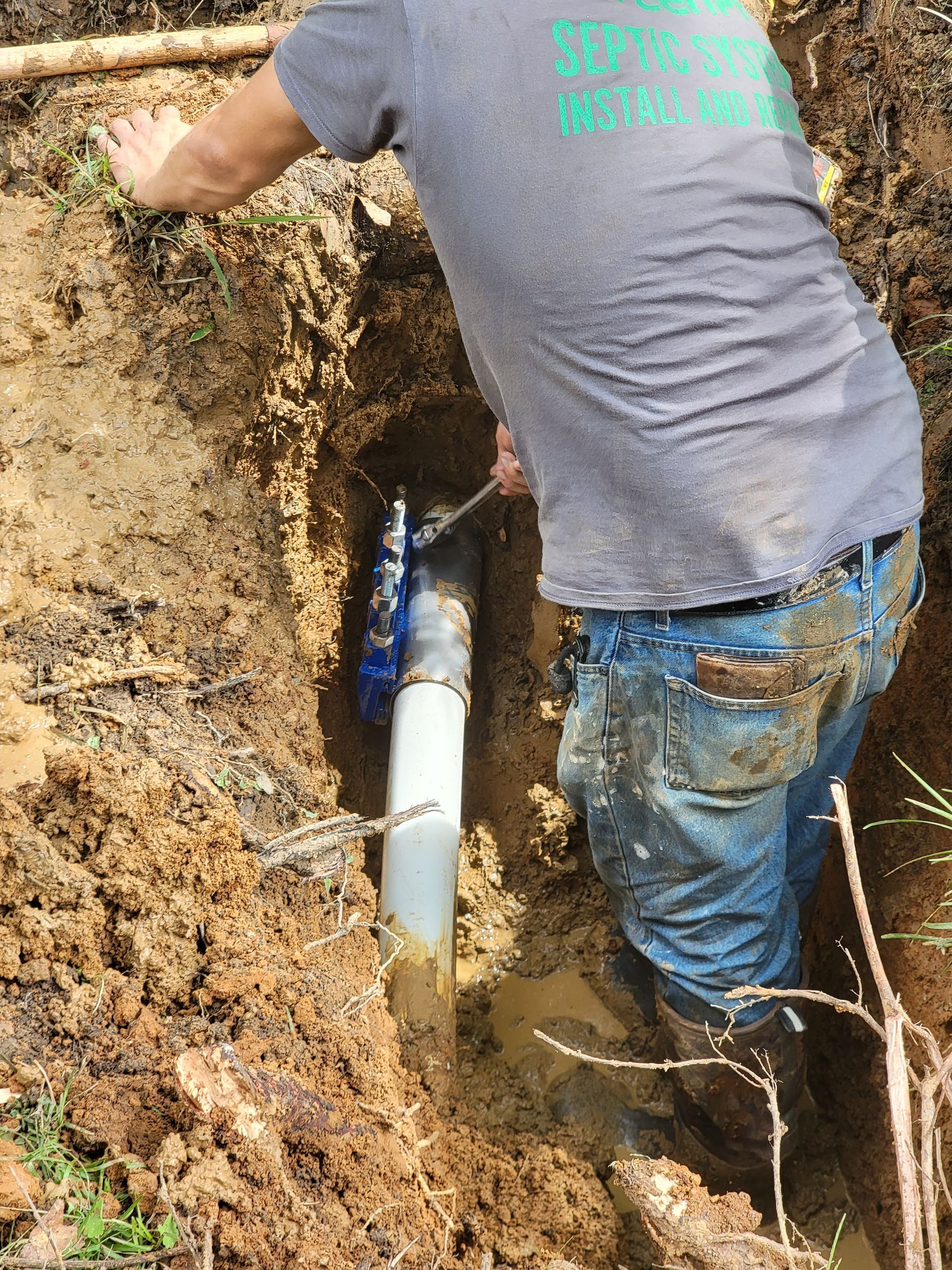

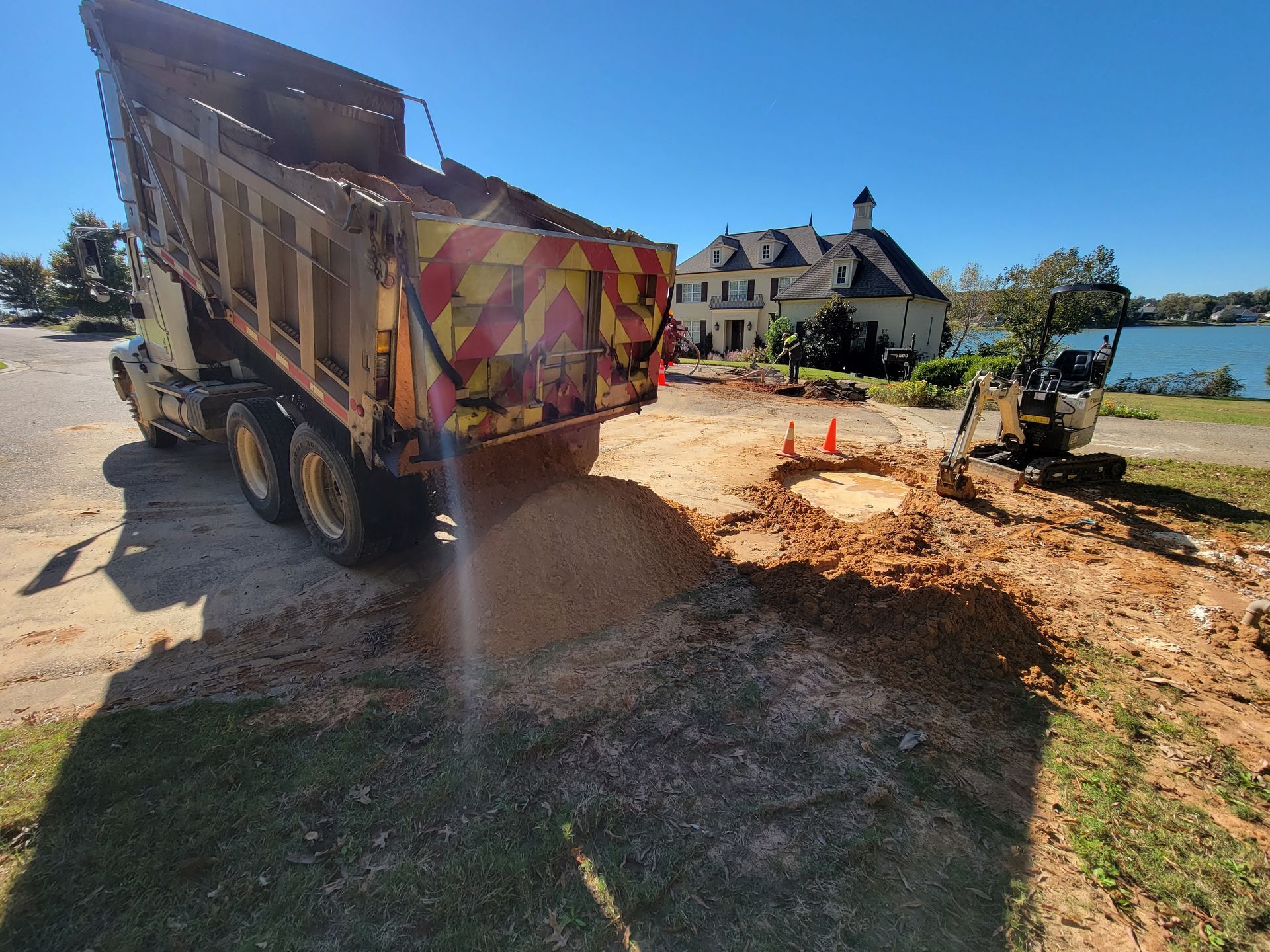
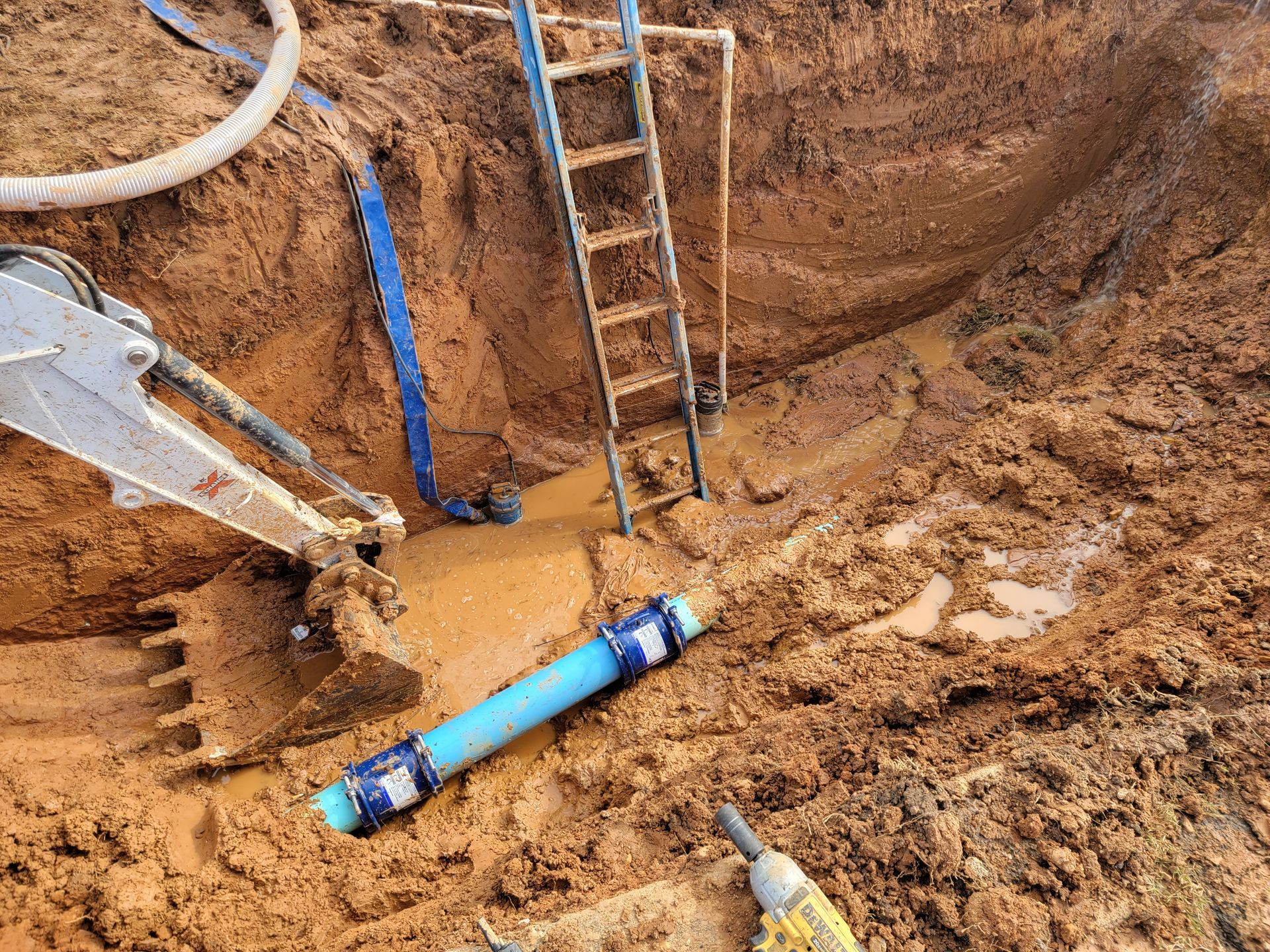
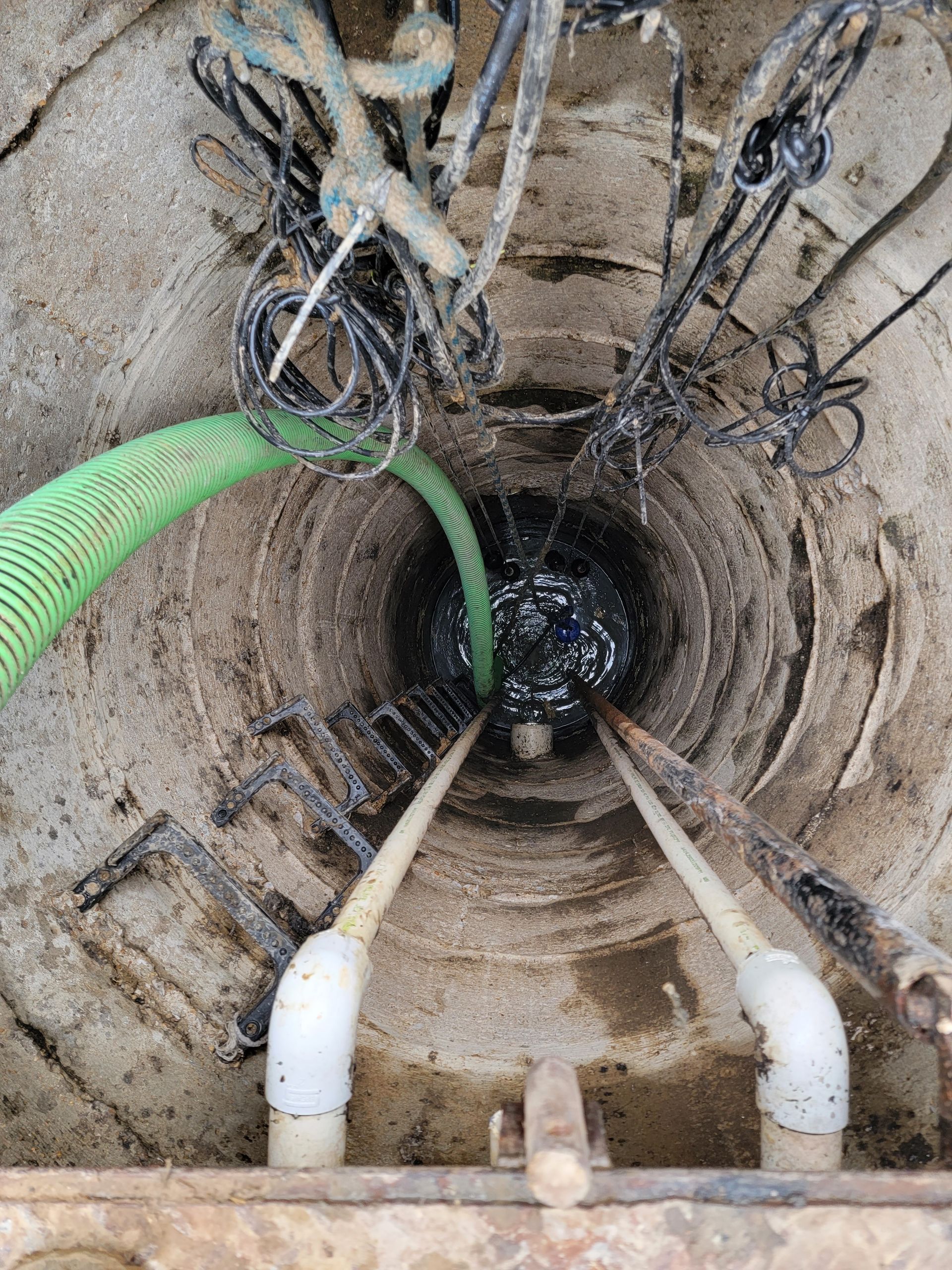
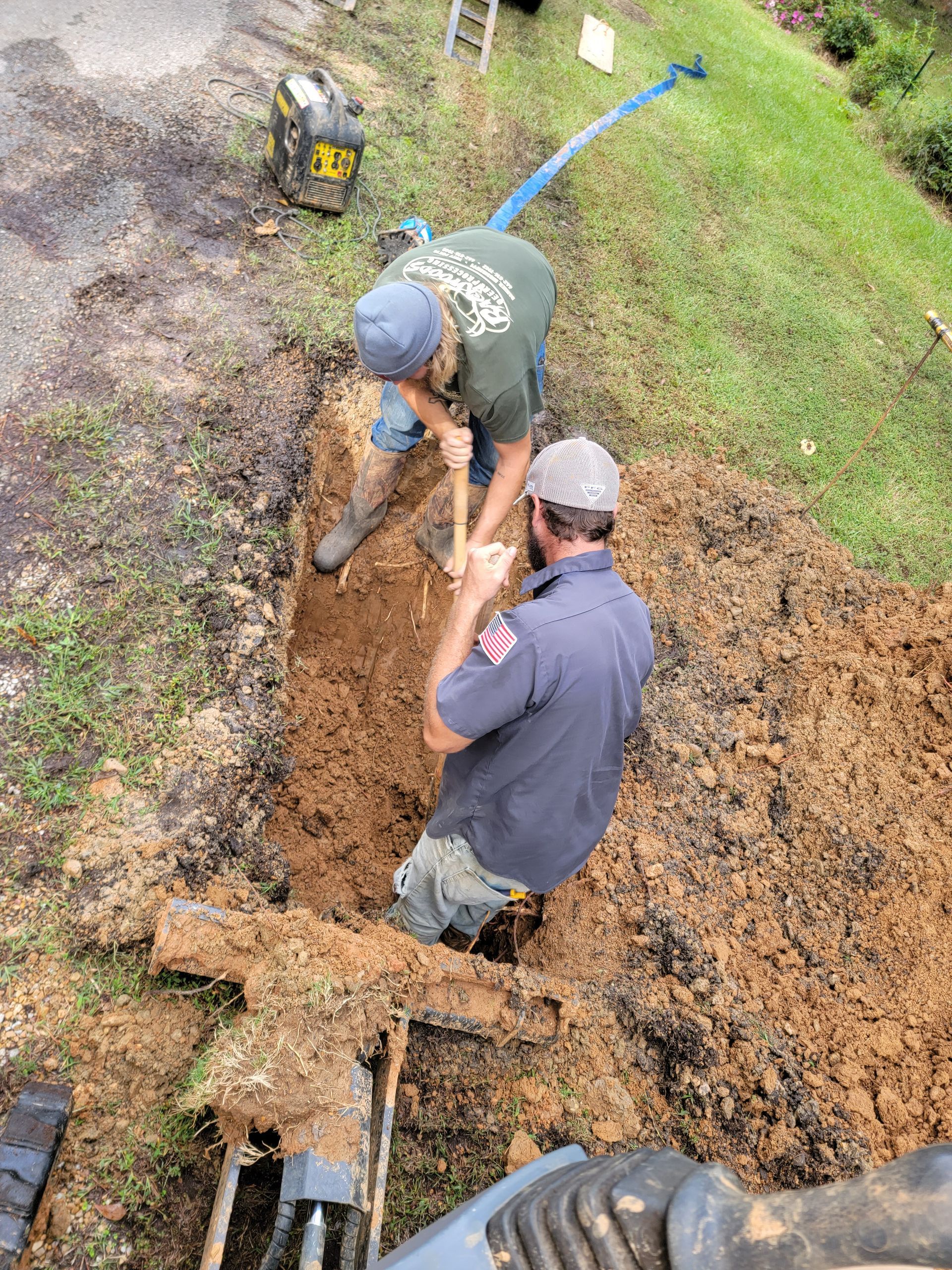
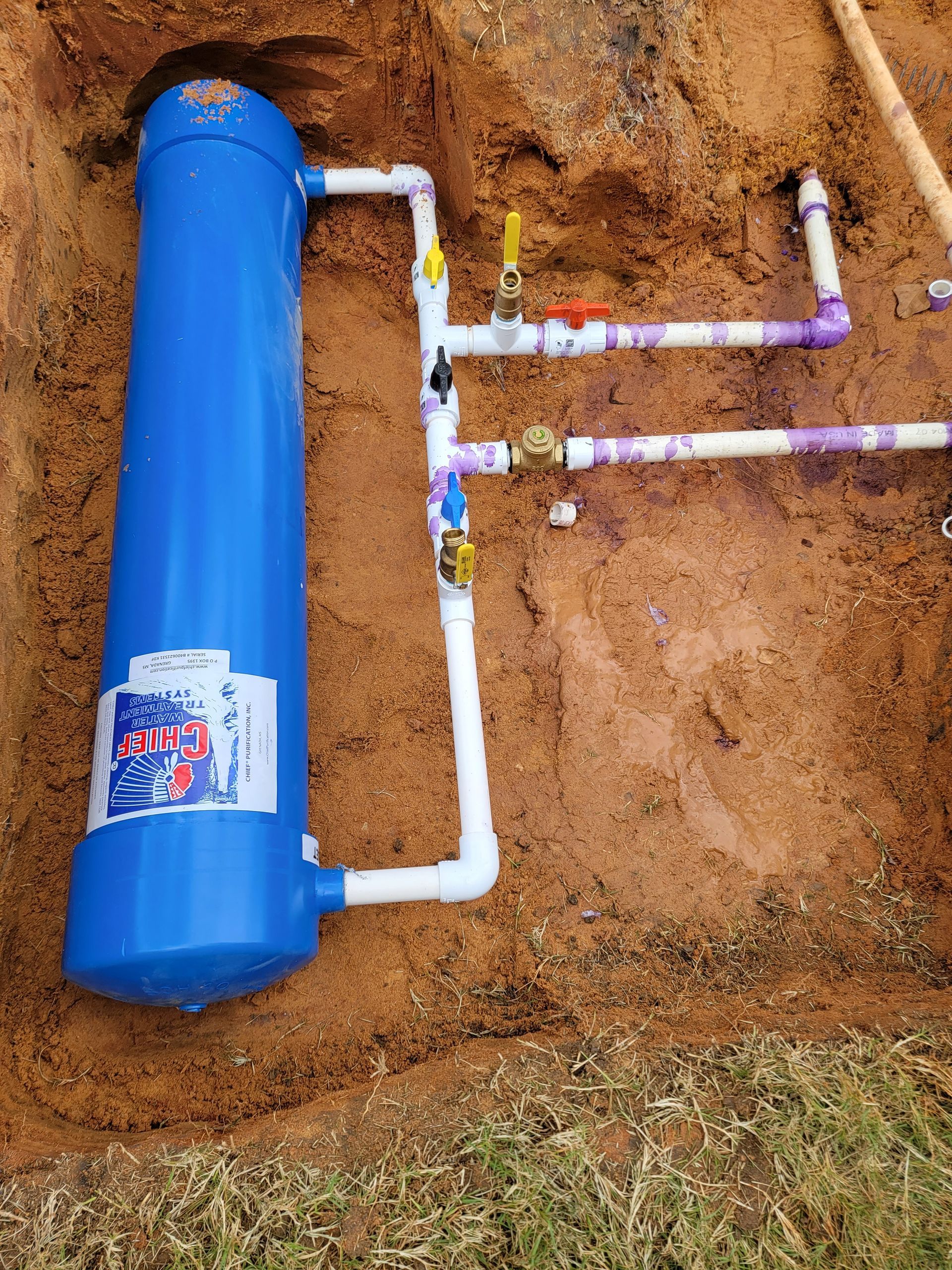
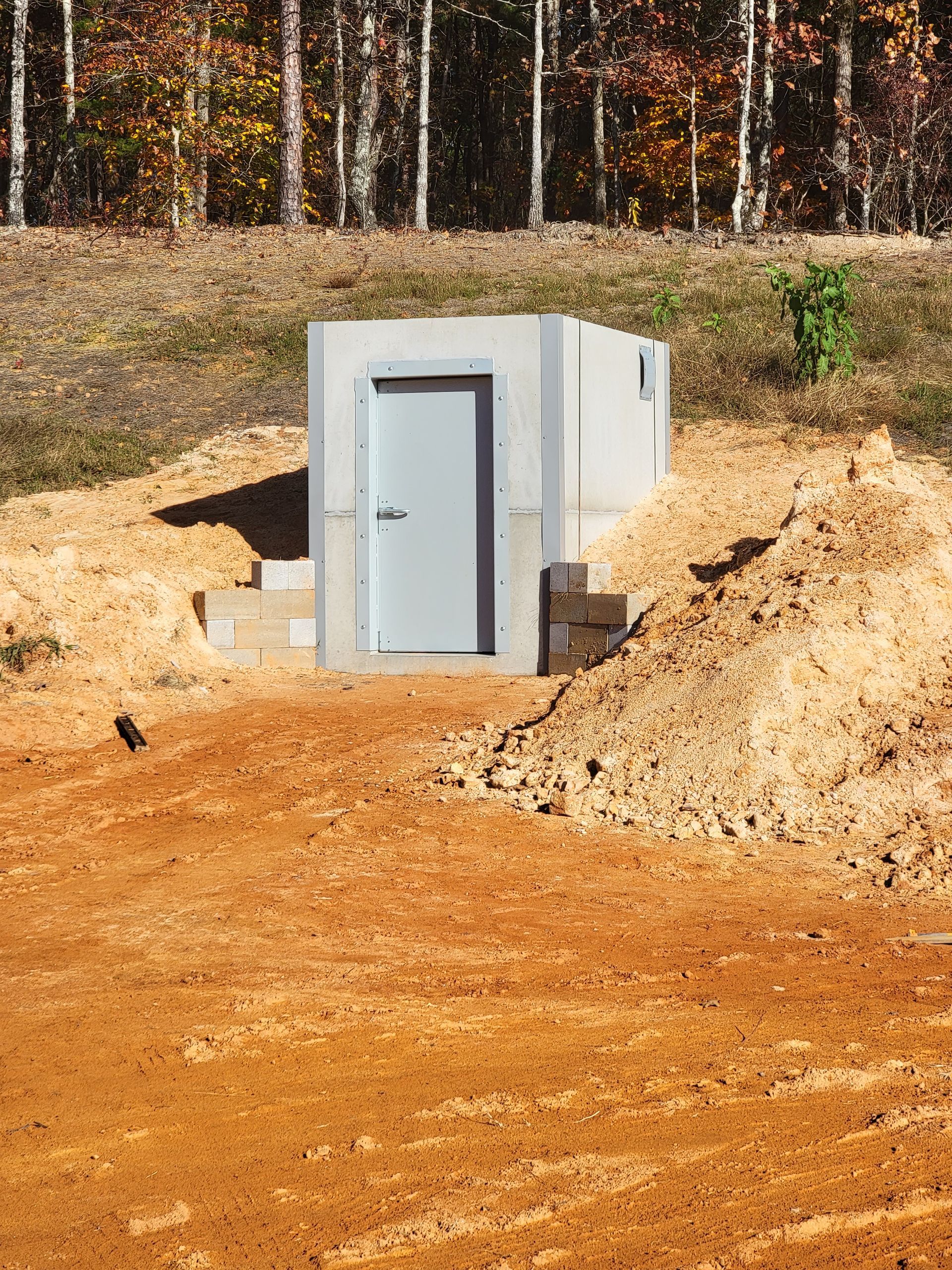
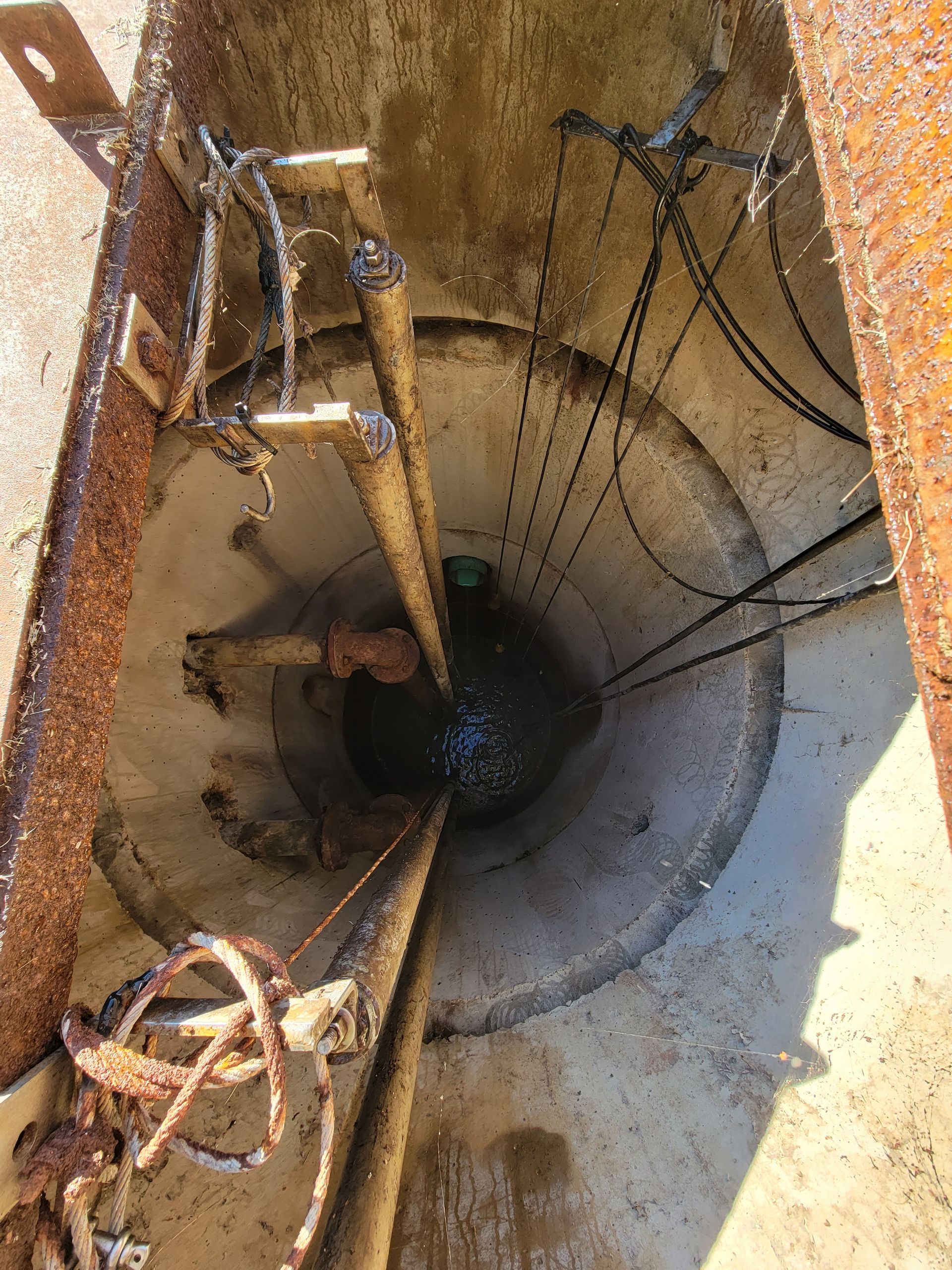
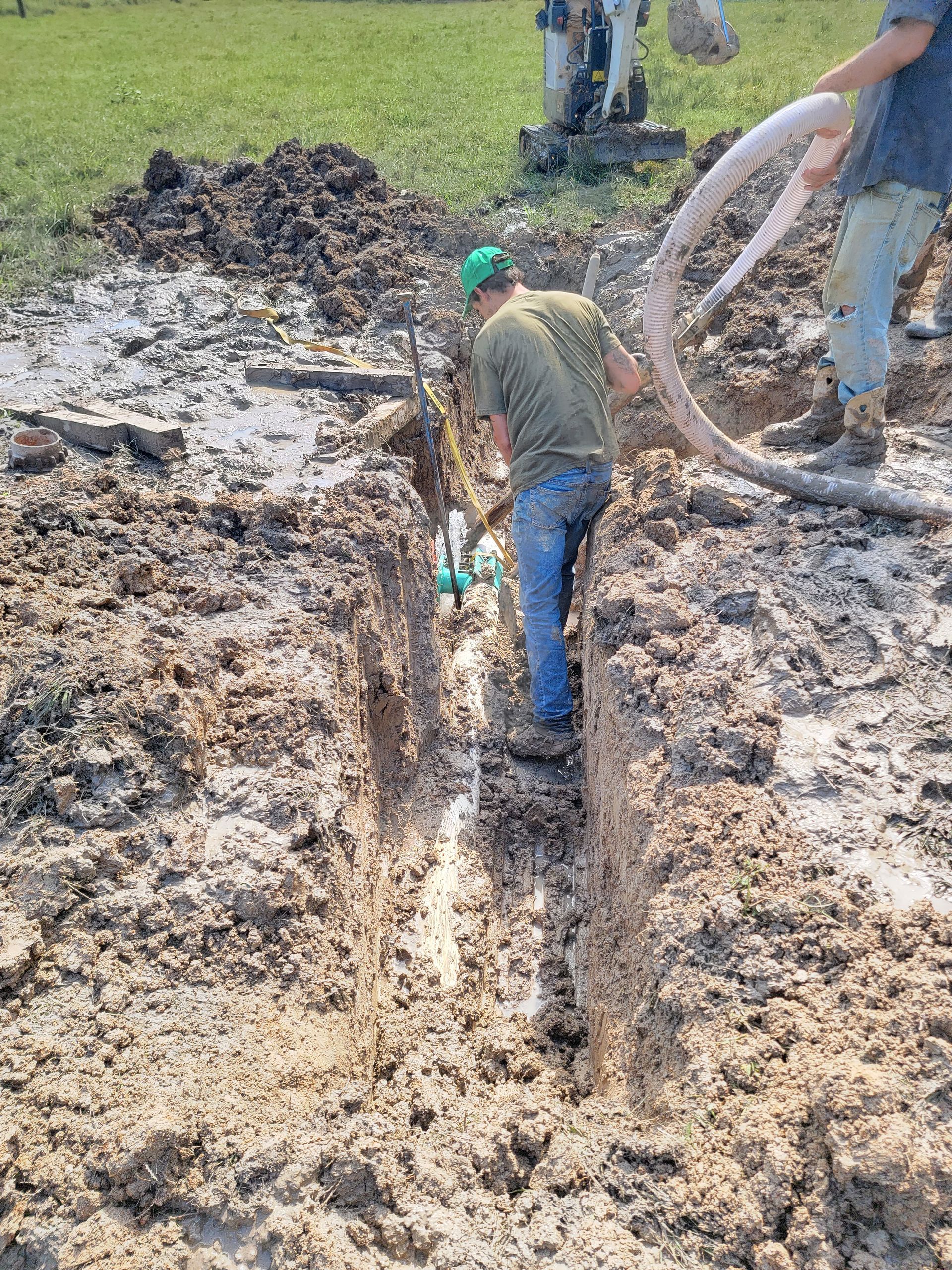
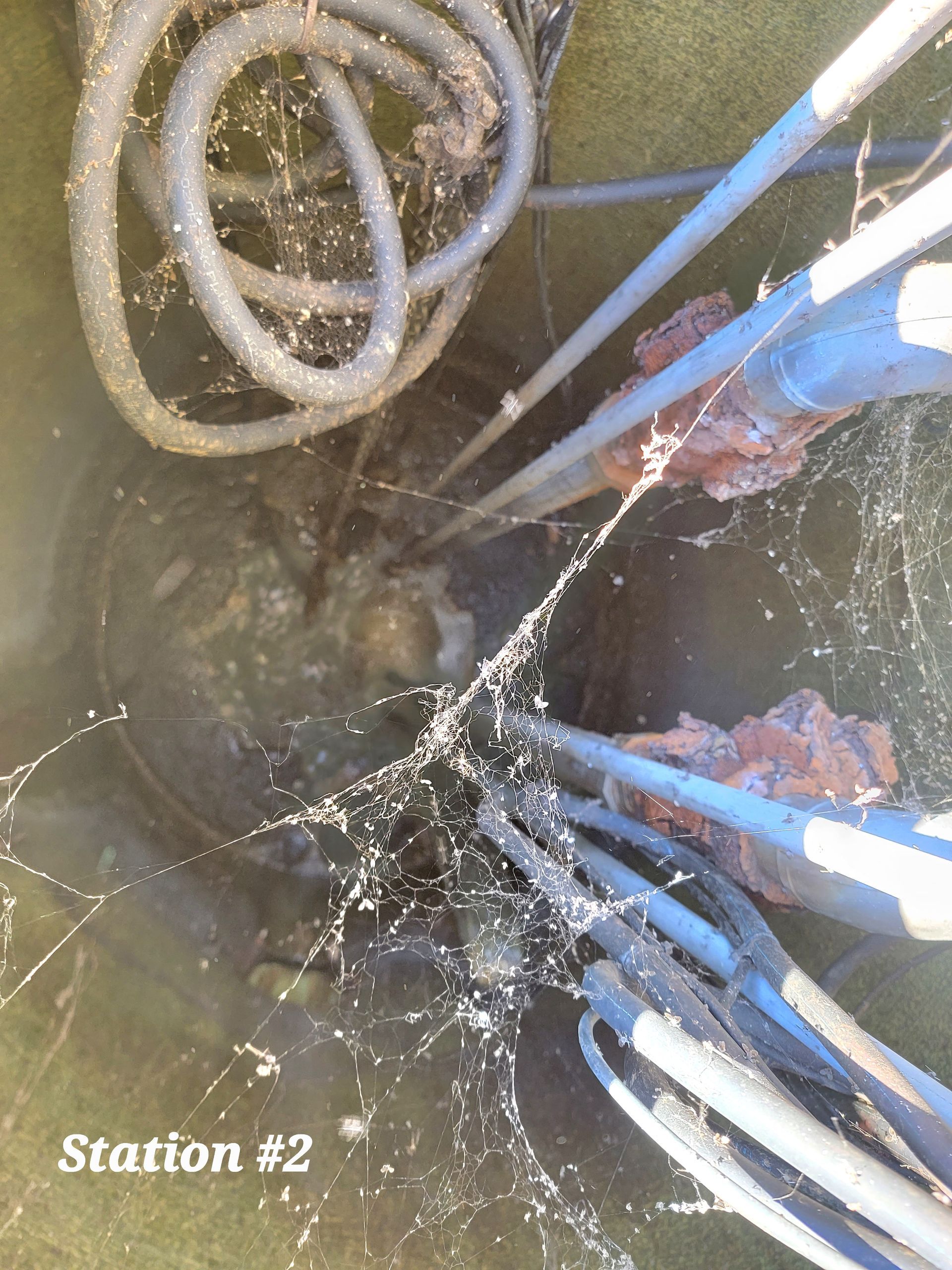

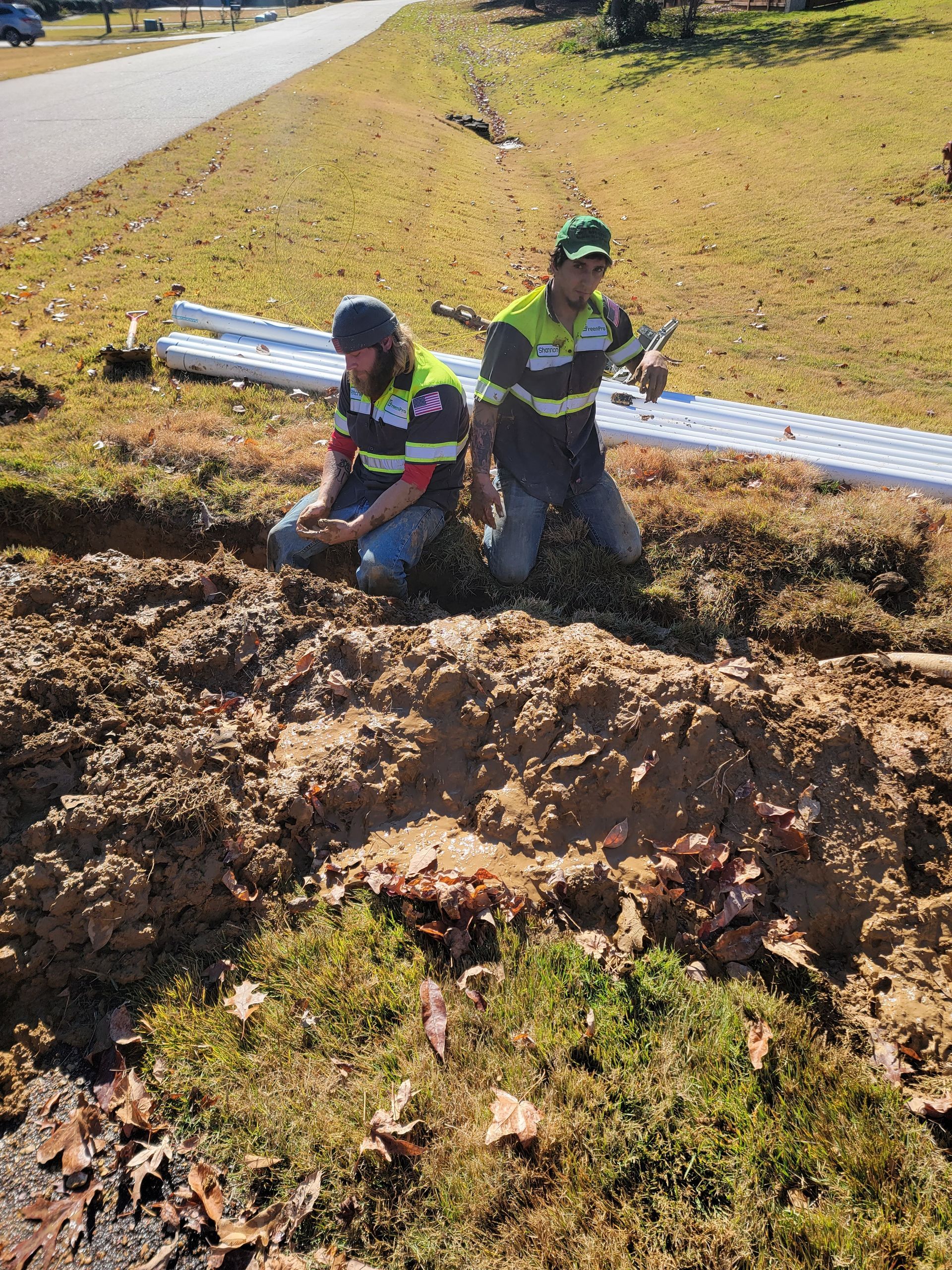



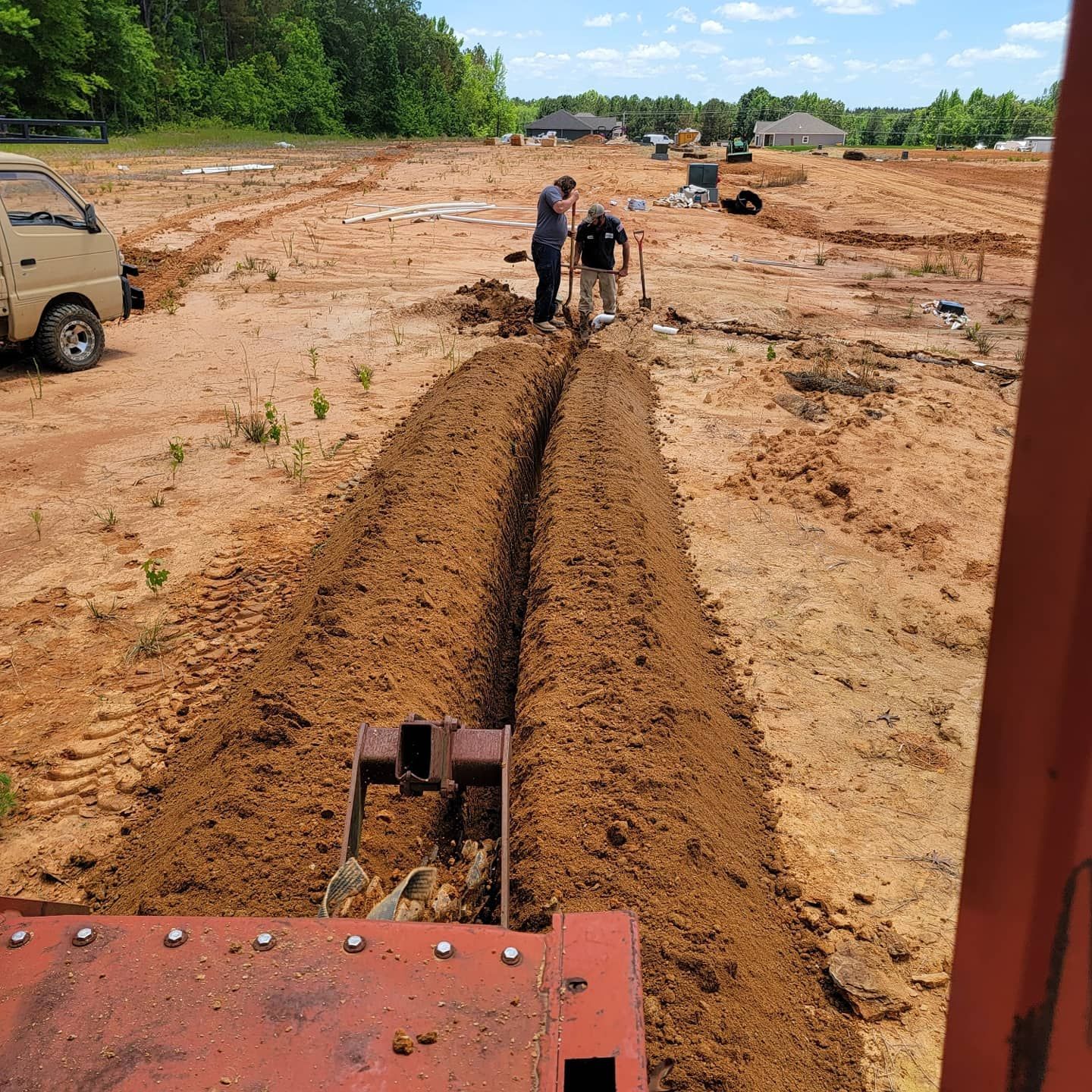

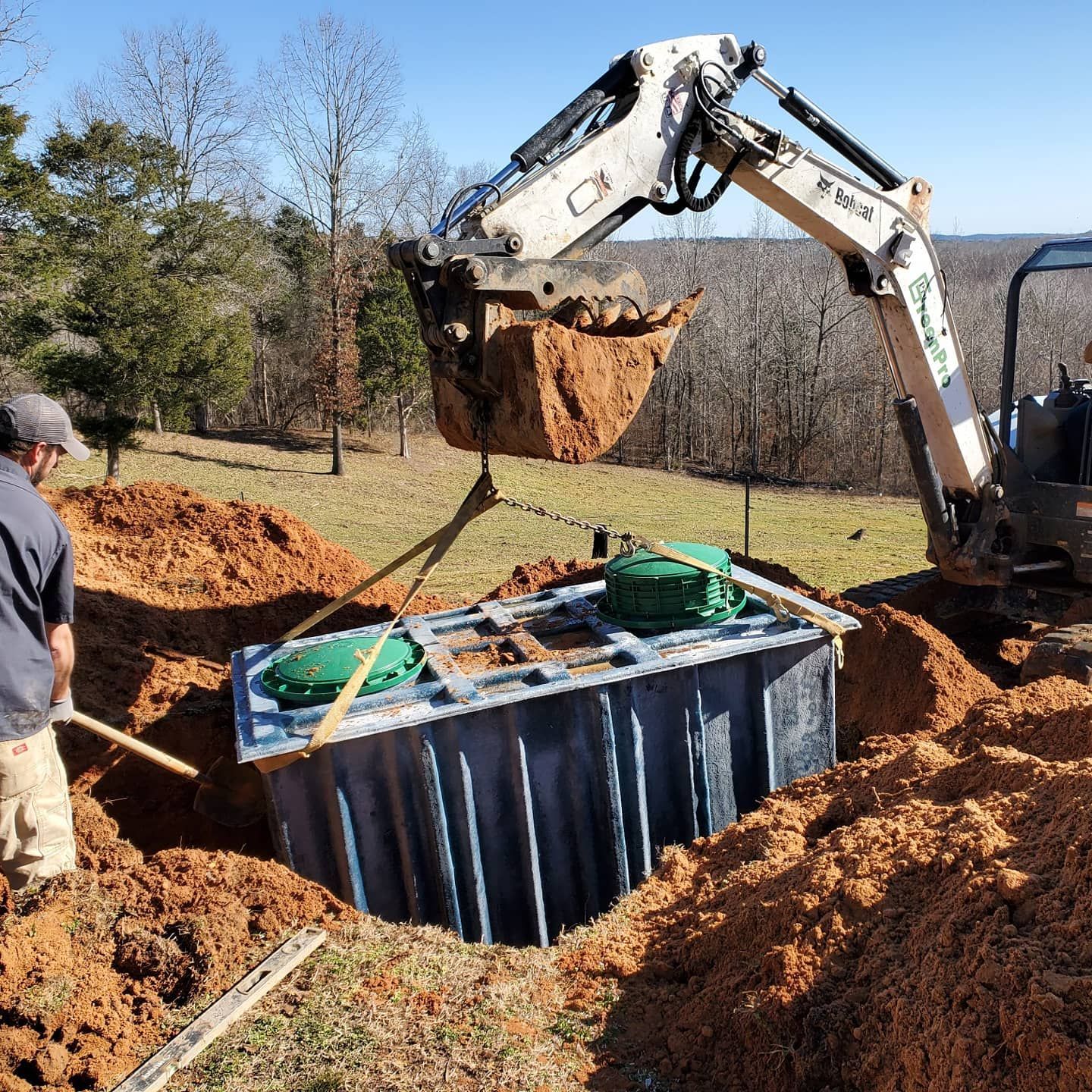
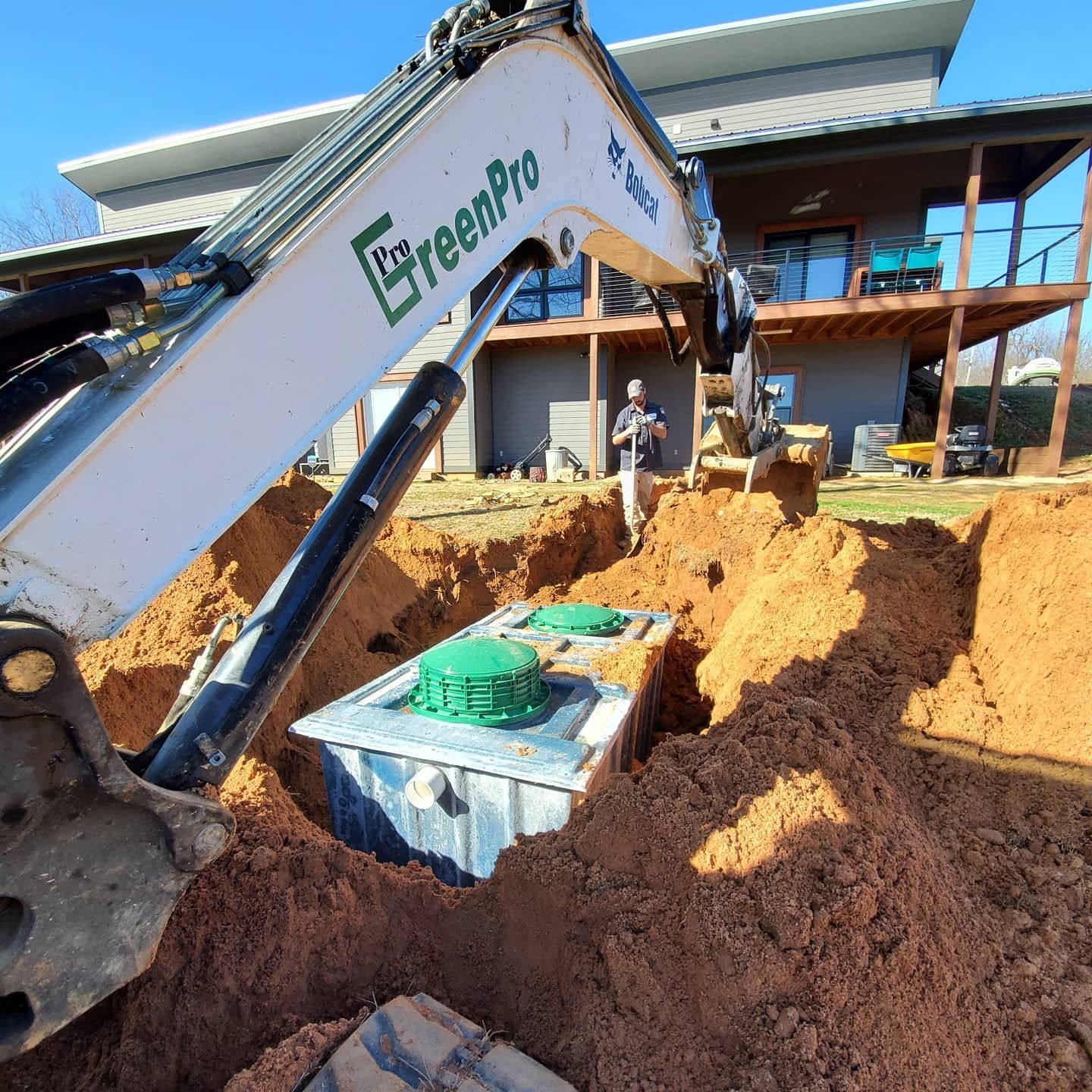
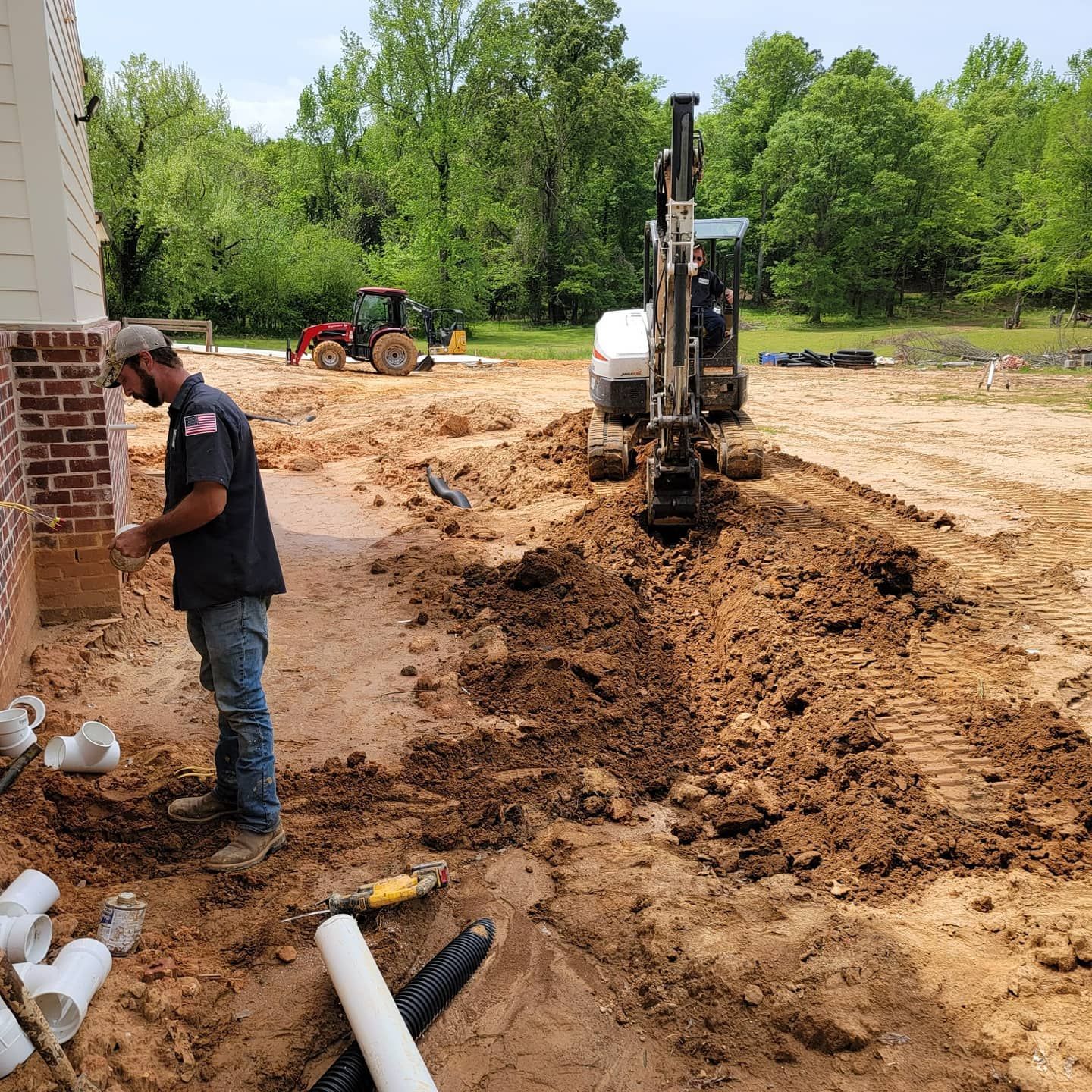
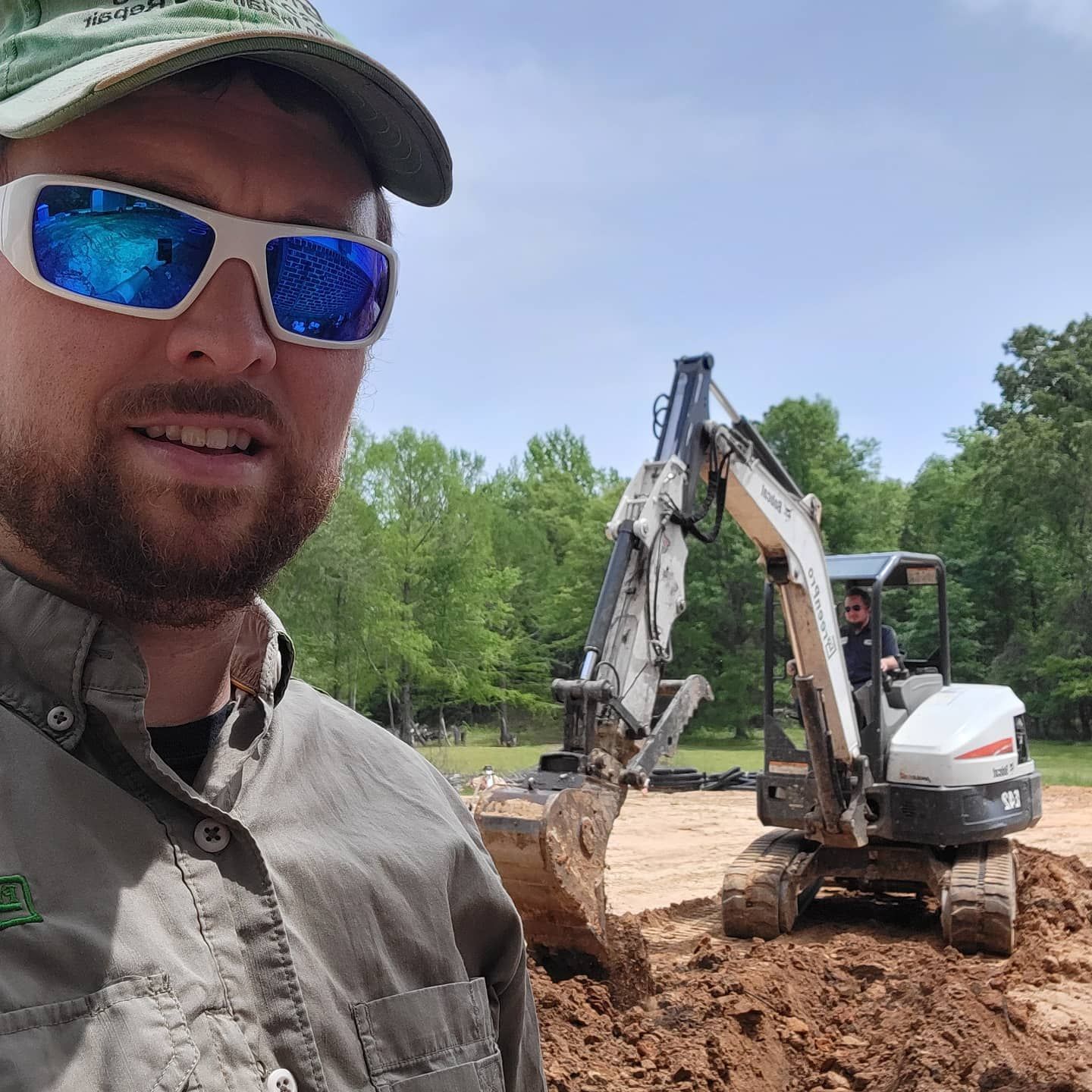
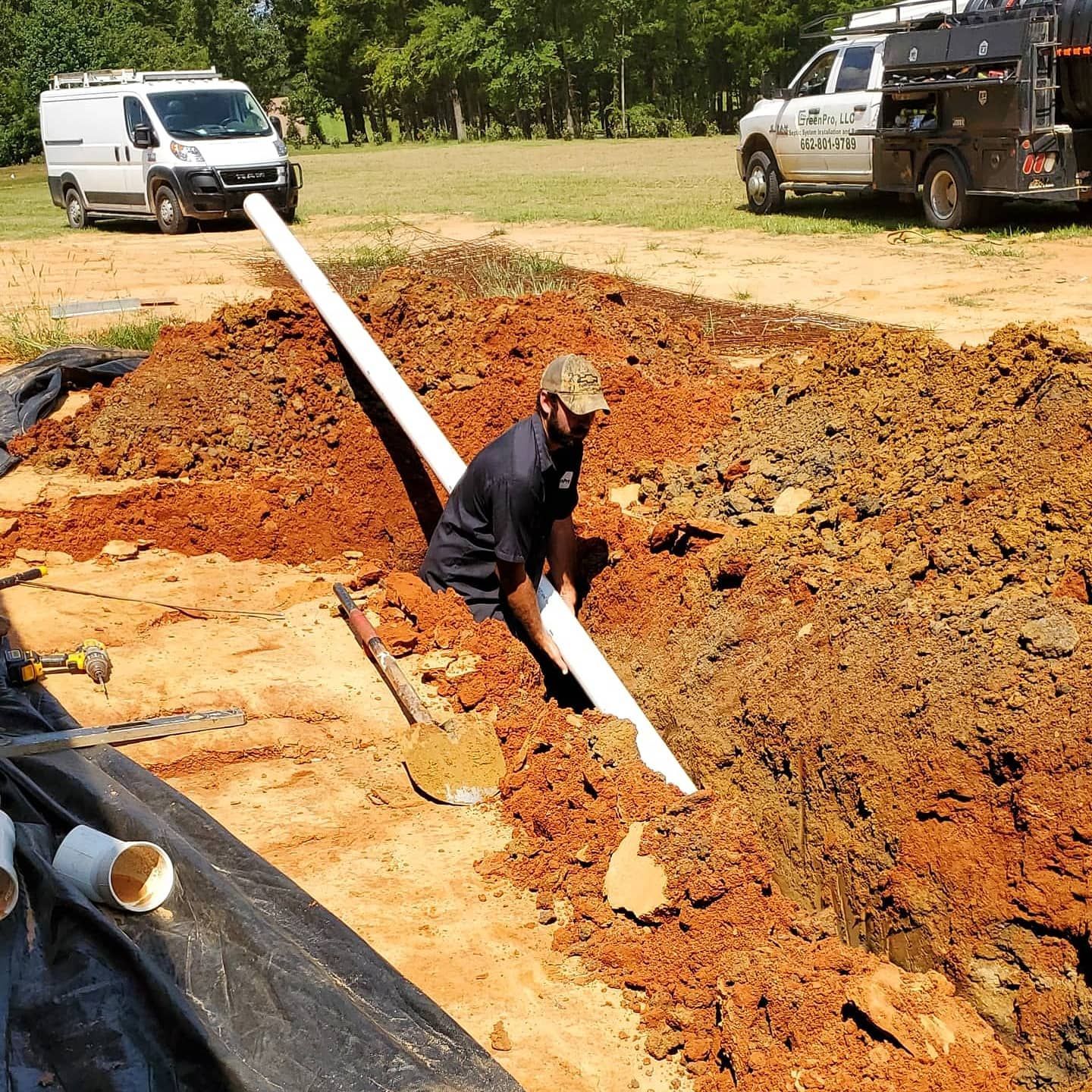
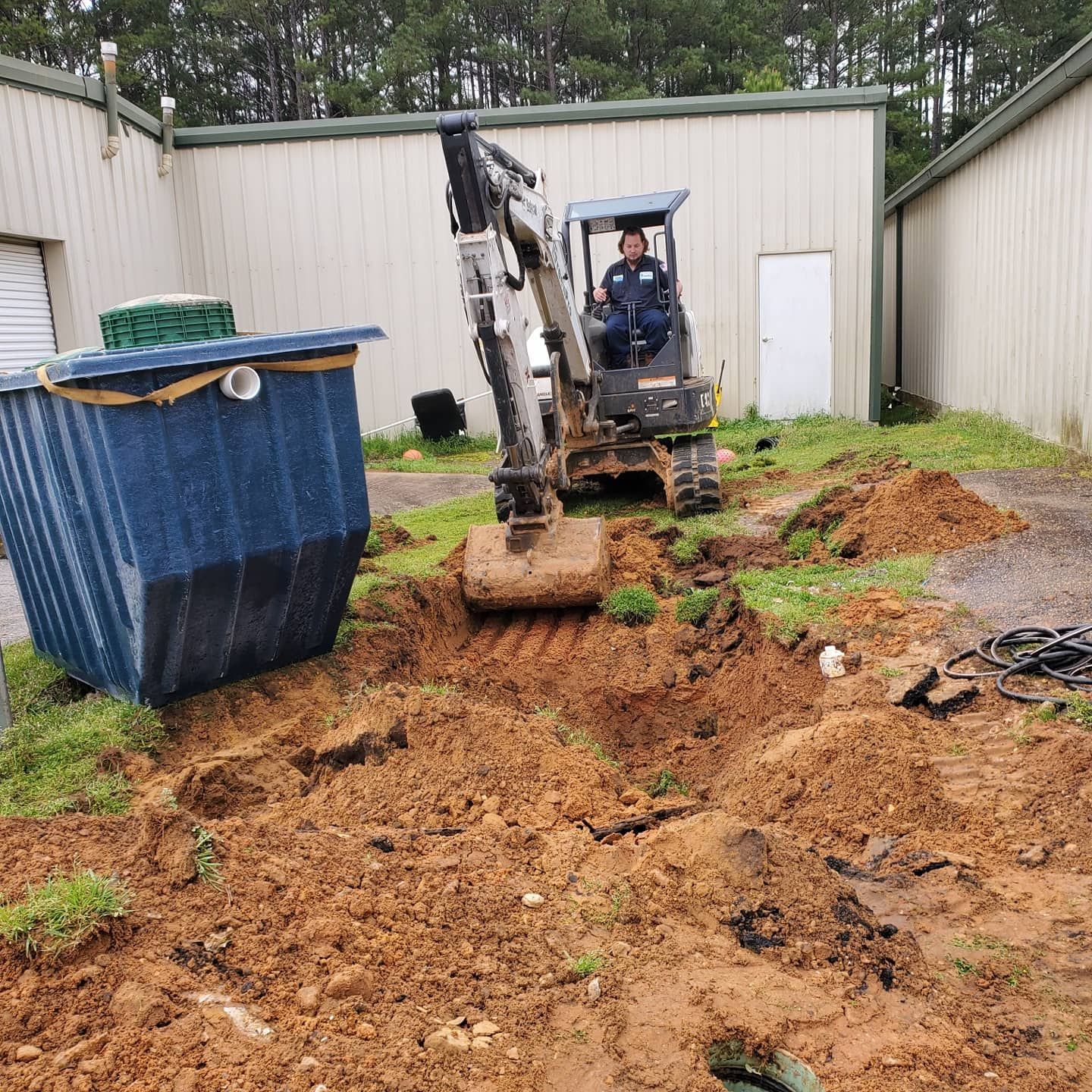
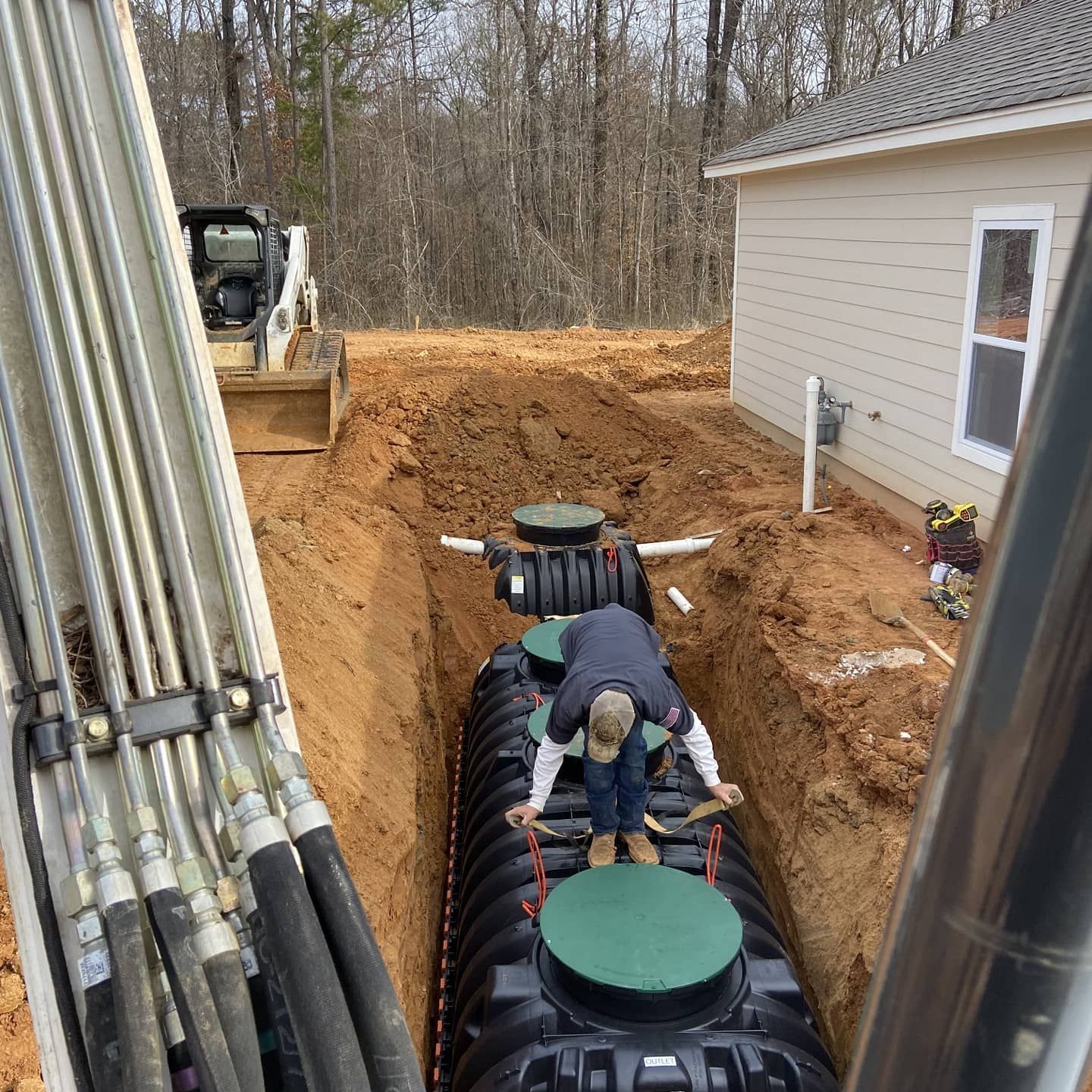
View more

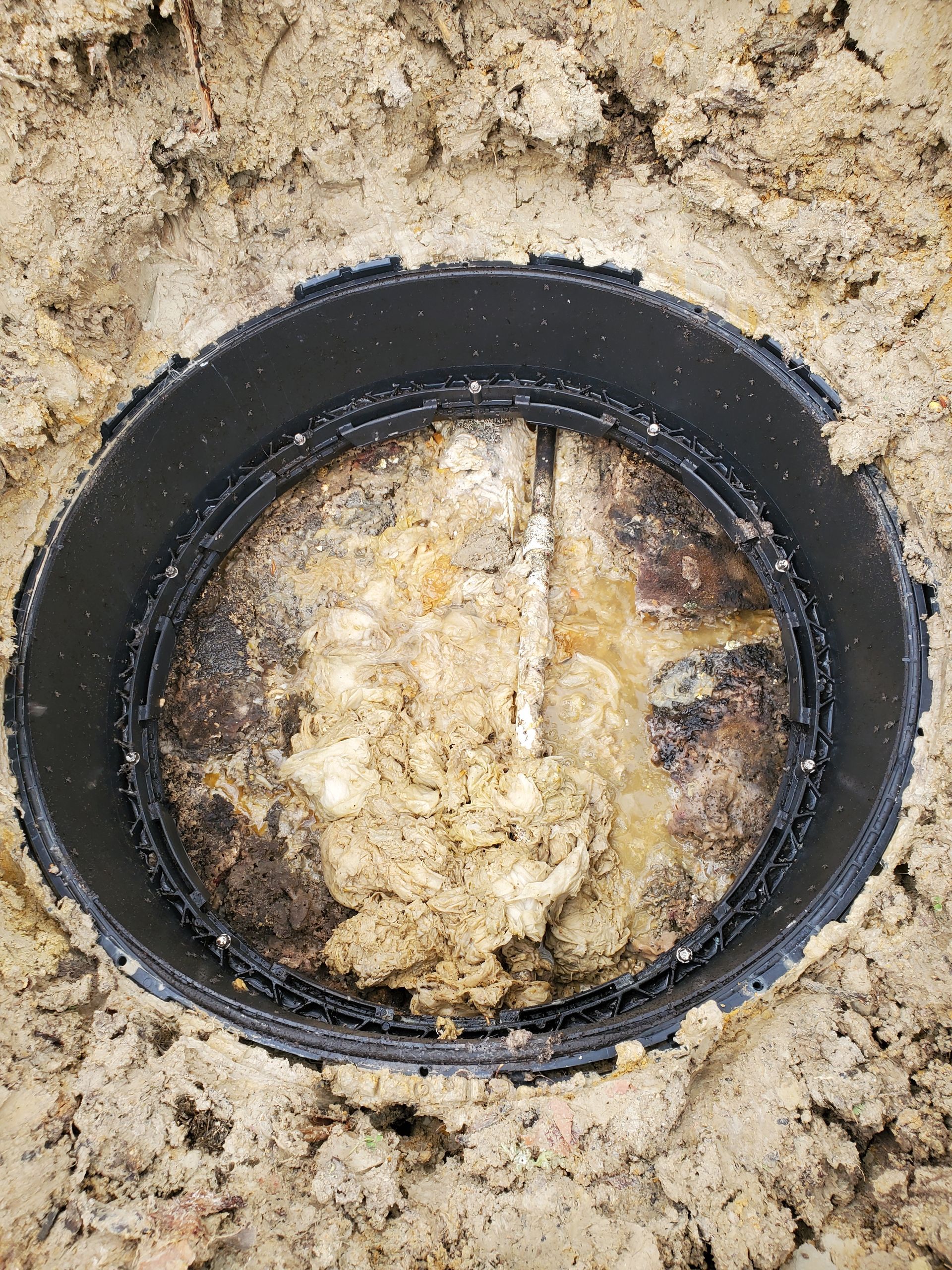
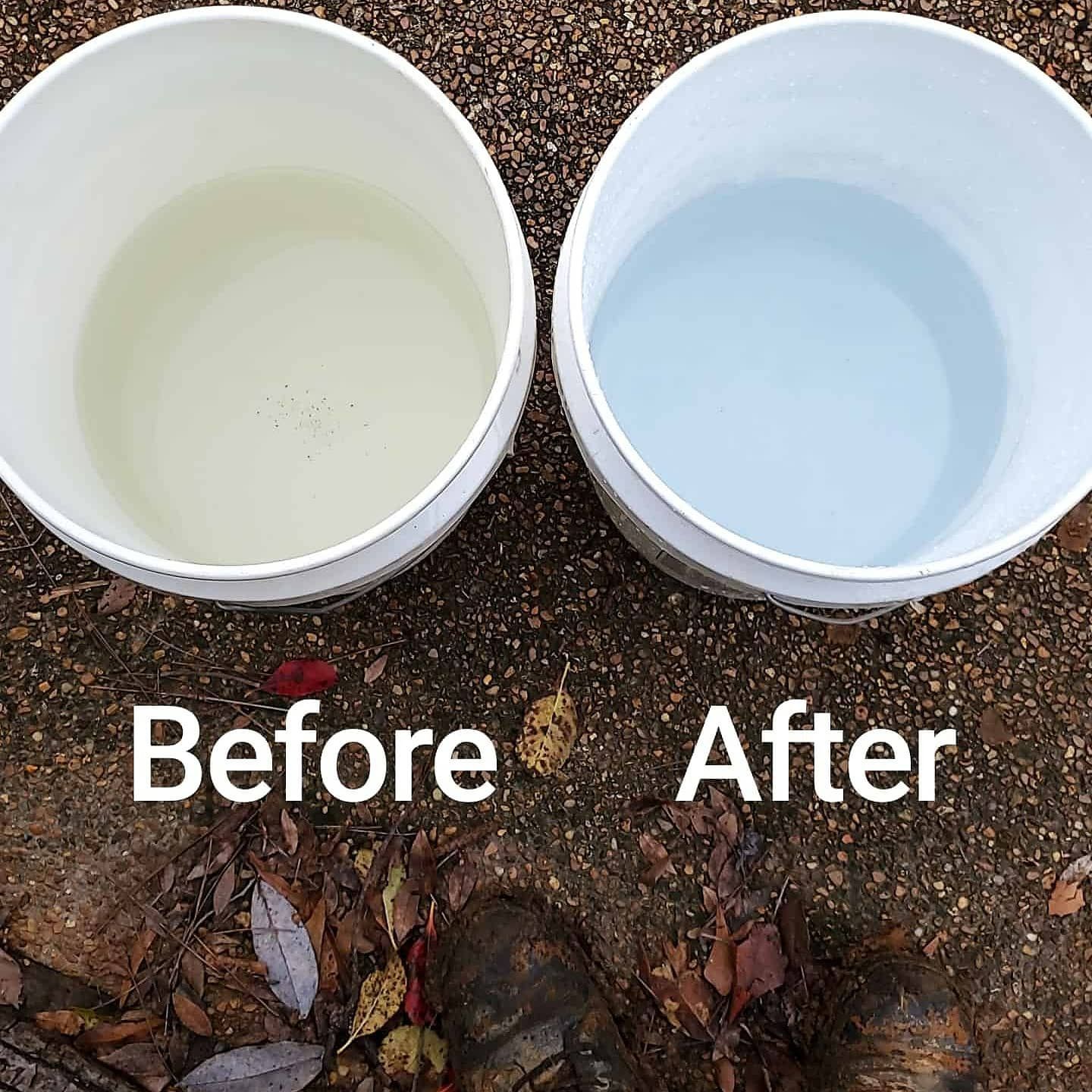
Maintaining a clean and properly functioning septic tank is essential for homeowners in Holly Springs, MS, to ensure efficient wastewater treatment and prevent system failures. Regular septic tank cleaning is a crucial aspect of septic system maintenance, helping to remove accumulated solids and prevent clogs that can lead to backups and environmental contamination. This article explores the importance of septic tank cleaning in Holly Springs, MS, and provides valuable insights into the process. Importance of Regular Cleaning: Septic tanks accumulate solid waste and sludge over time, which can impede the flow of wastewater and reduce the tank's capacity for treatment. Regular septic tank cleaning in Holly Springs, MS, is necessary to remove these accumulated solids and prevent system malfunctions. Without proper cleaning, solids can build up and cause blockages in the tank, leading to backups, odors, and potential damage to the septic system and surrounding environment. Frequency of Cleaning: The frequency of septic tank cleaning in Holly Springs, MS, depends on several factors, including household size, water usage, and the size of the septic tank. As a general rule, septic tanks should be pumped and cleaned every 3 to 5 years to remove accumulated solids and maintain optimal system performance. However, households with larger water usage or smaller tanks may require more frequent cleanings to prevent issues. Professional Cleaning Services: Professional septic tank cleaning services in Holly Springs, MS, employ trained technicians and specialized equipment to safely and effectively remove accumulated solids from septic tanks. These professionals use vacuum trucks equipped with powerful pumps to pump out the contents of the tank, ensuring thorough cleaning and proper disposal of waste. Additionally, professional cleaners may inspect the tank for signs of damage or leaks and provide recommendations for repairs or maintenance. DIY Cleaning Tips: While professional septic tank cleaning is recommended for optimal results, homeowners in Holly Springs, MS, can take certain measures to help maintain cleanliness between cleanings. Avoid flushing non-biodegradable items such as wipes, sanitary products, and grease down the drain, as these can contribute to clogs and buildup in the tank. Additionally, using water efficiently and minimizing the use of harsh chemicals can help preserve the microbial balance in the tank and promote effective waste digestion. Environmental Considerations: Proper disposal of septic tank waste is critical to protecting the environment and public health in Holly Springs, MS. Professional cleaning services adhere to strict regulations and guidelines for the safe disposal of septic waste, ensuring compliance with environmental laws and regulations. By working with reputable cleaning providers, homeowners can minimize the environmental impact of their septic system maintenance activities and contribute to a cleaner, healthier community. Conclusion: Septic tank cleaning is a vital aspect of septic system maintenance for homeowners in Holly Springs, MS, helping to ensure proper wastewater treatment and prevent system failures. By understanding the importance of regular cleaning and working with professional service providers, homeowners can preserve the cleanliness and functionality of their septic systems, protecting public health and the environment for years to come.
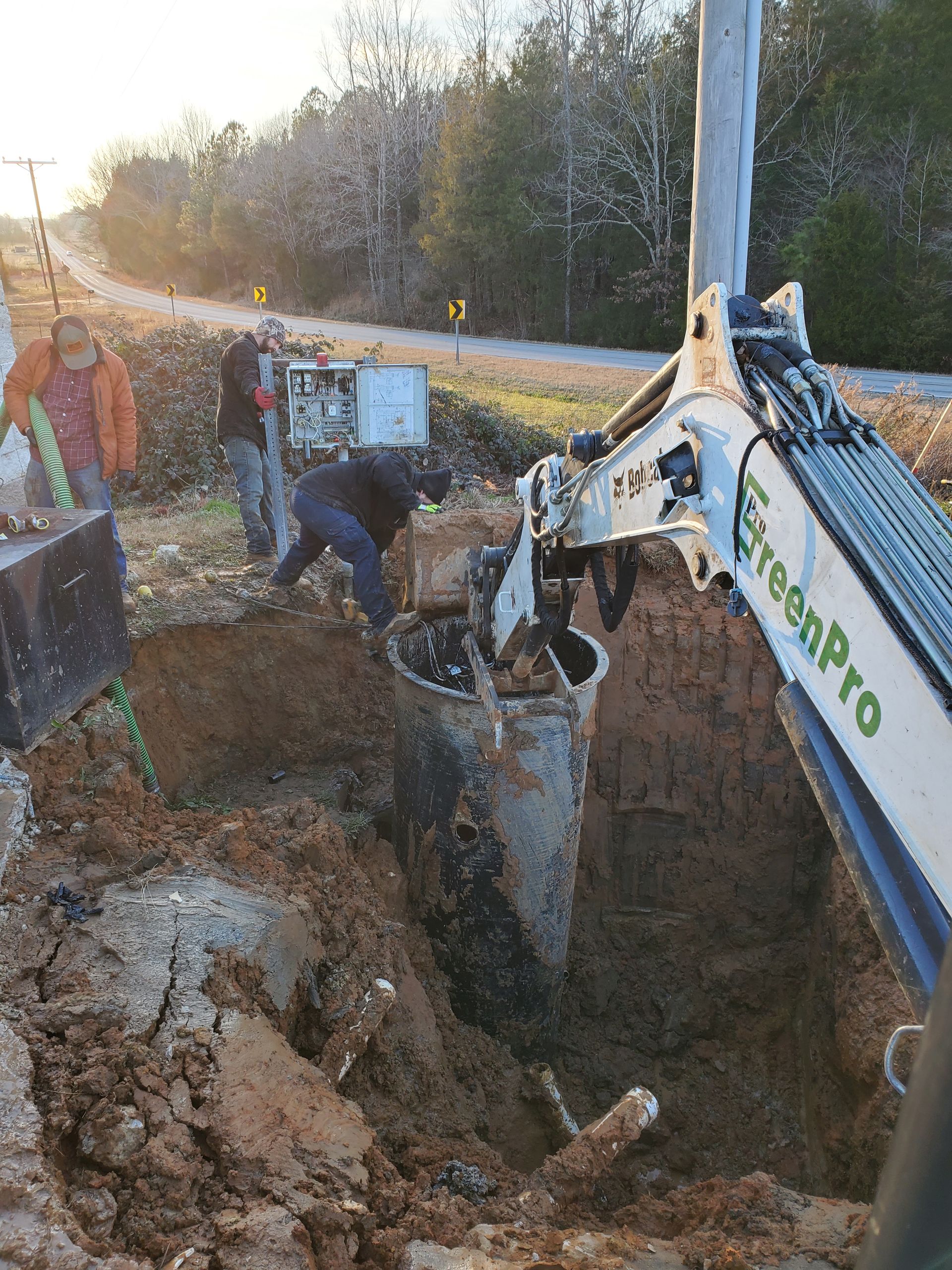
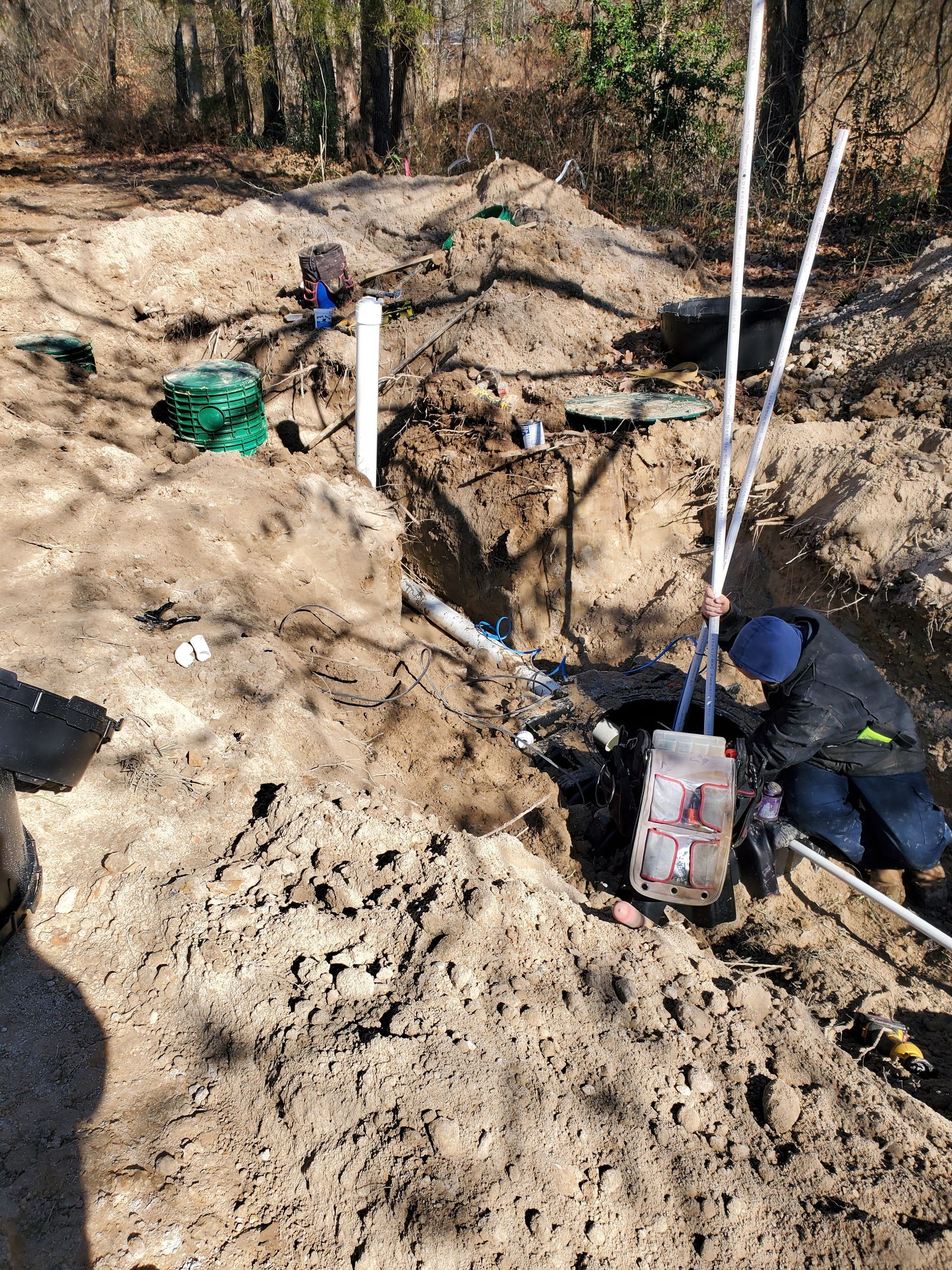
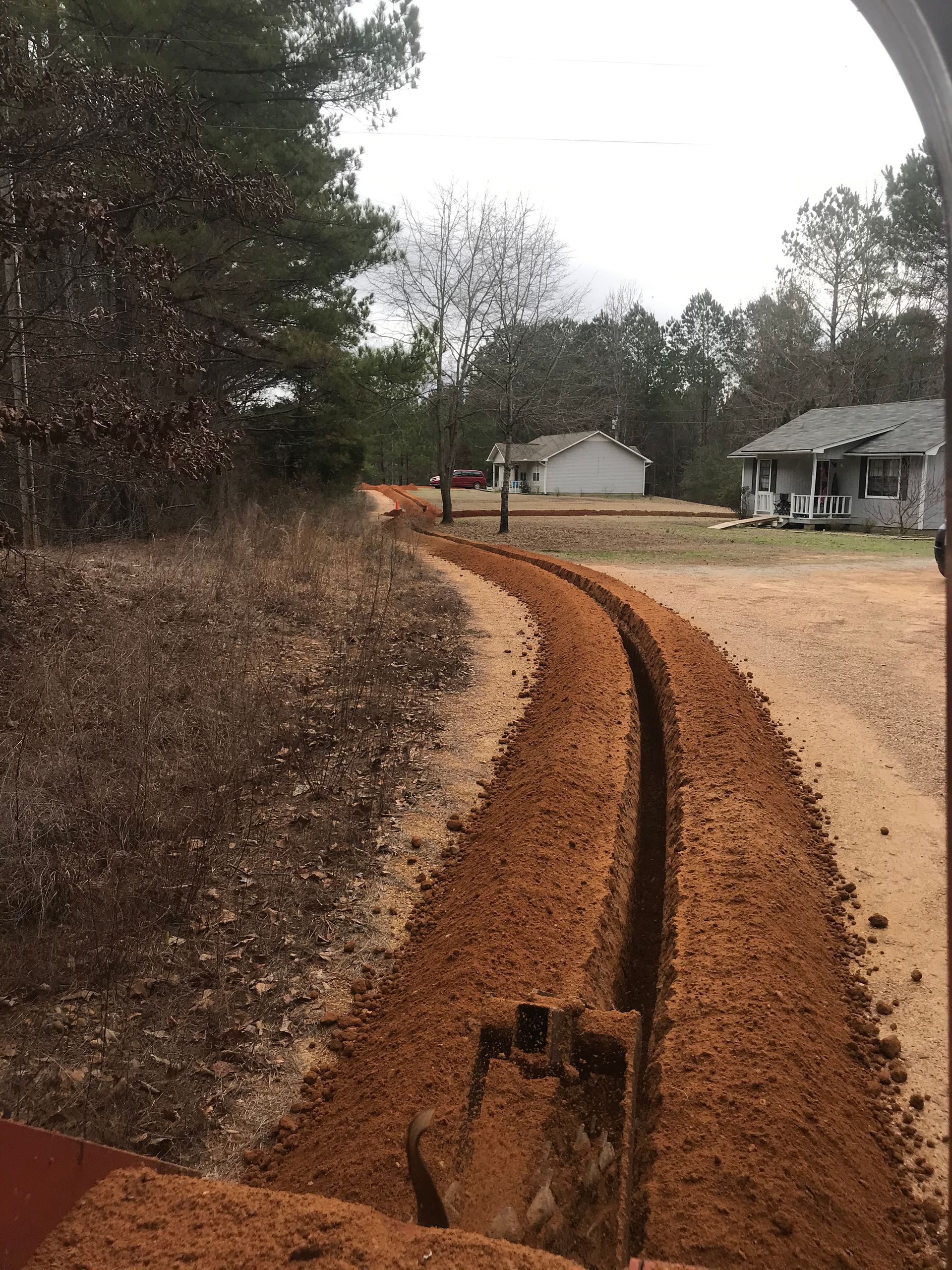
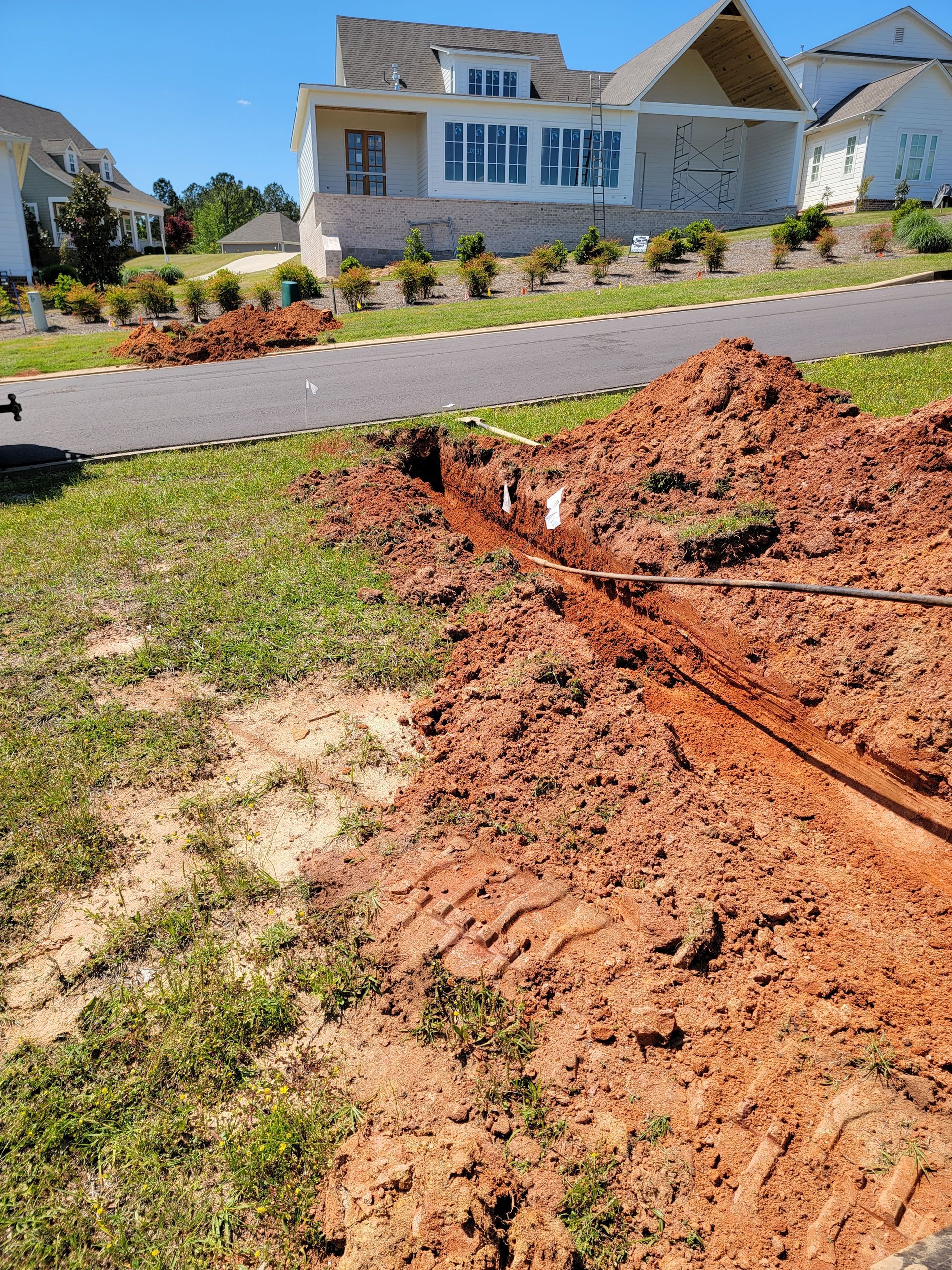
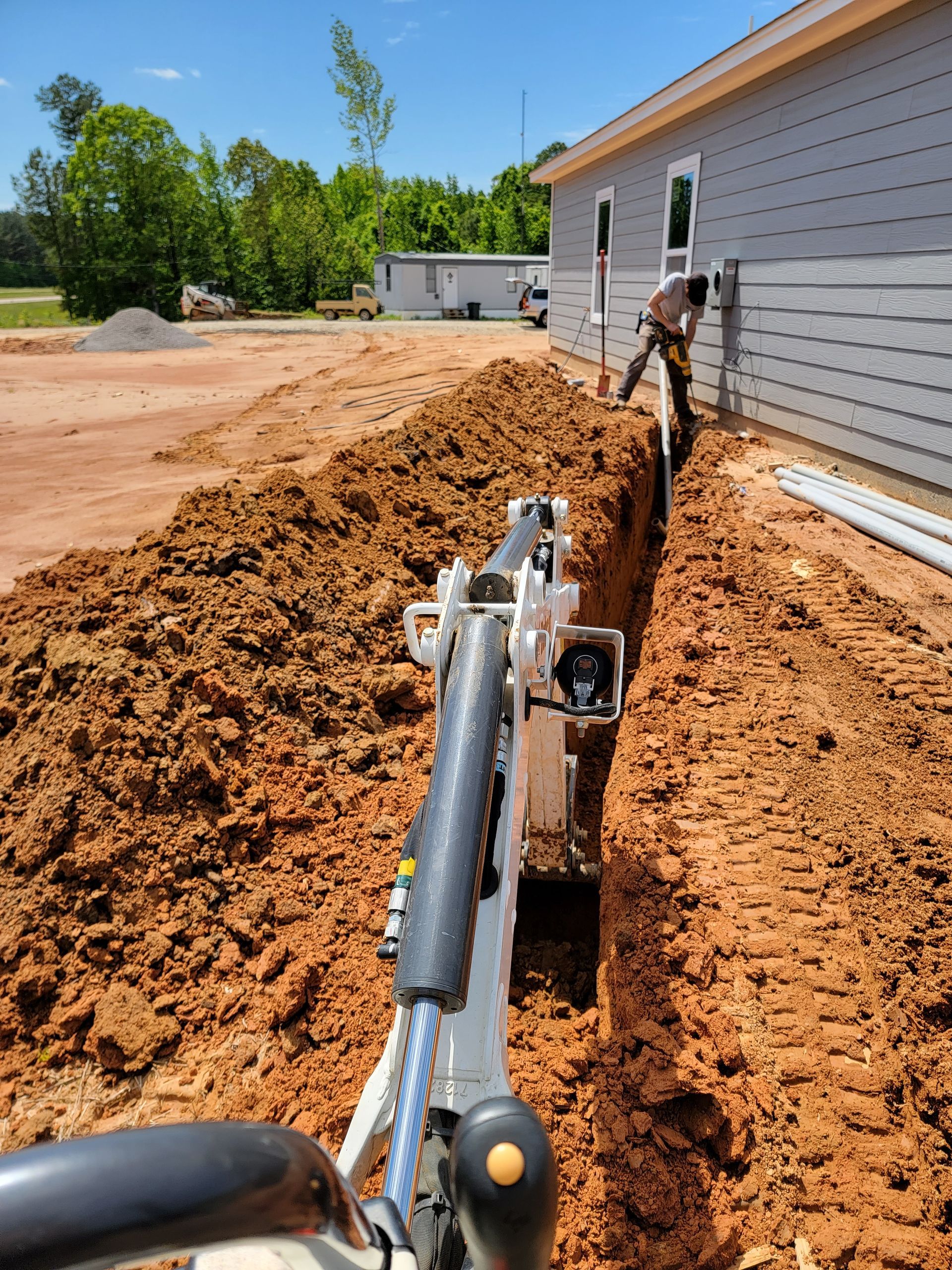
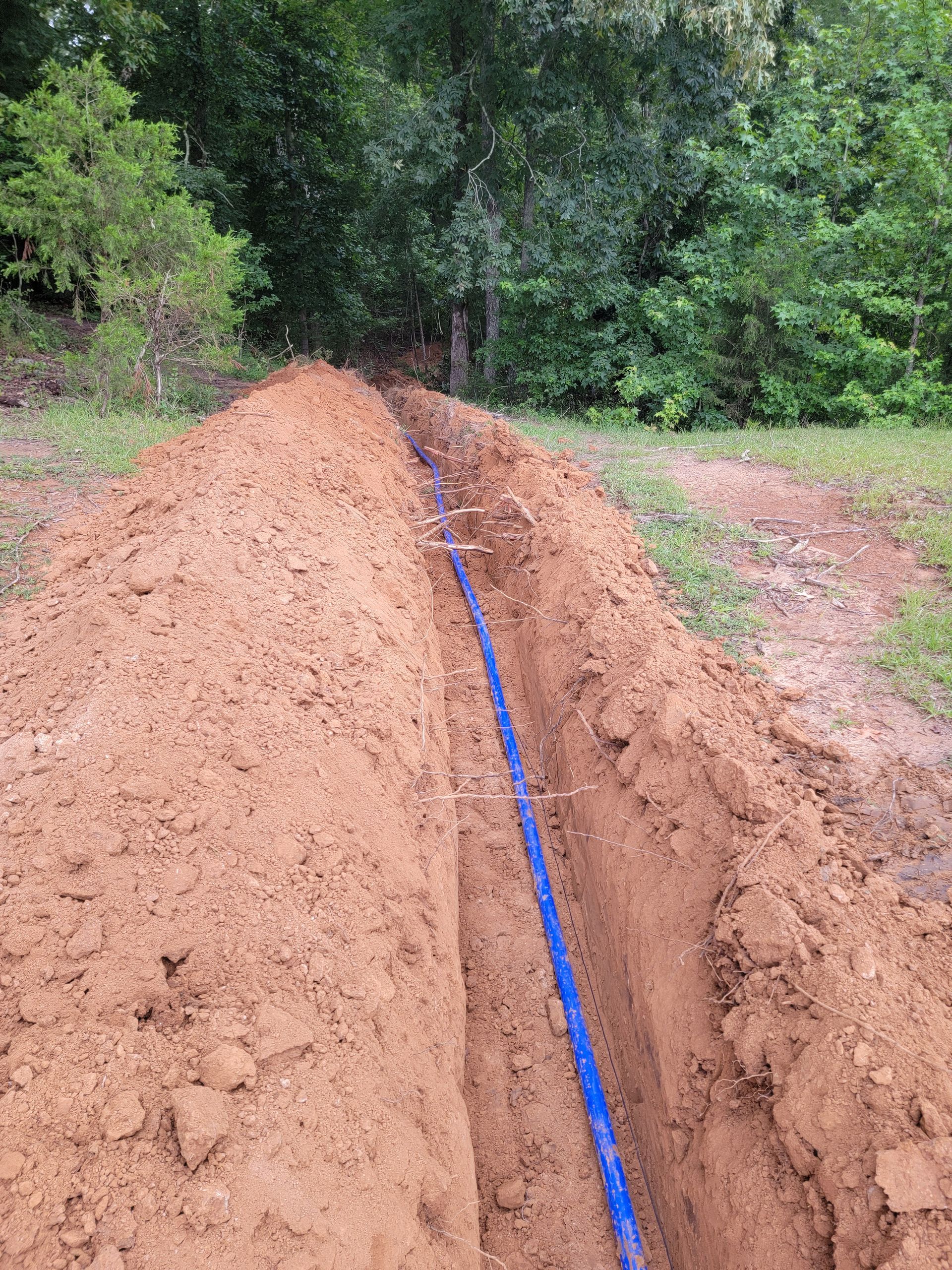
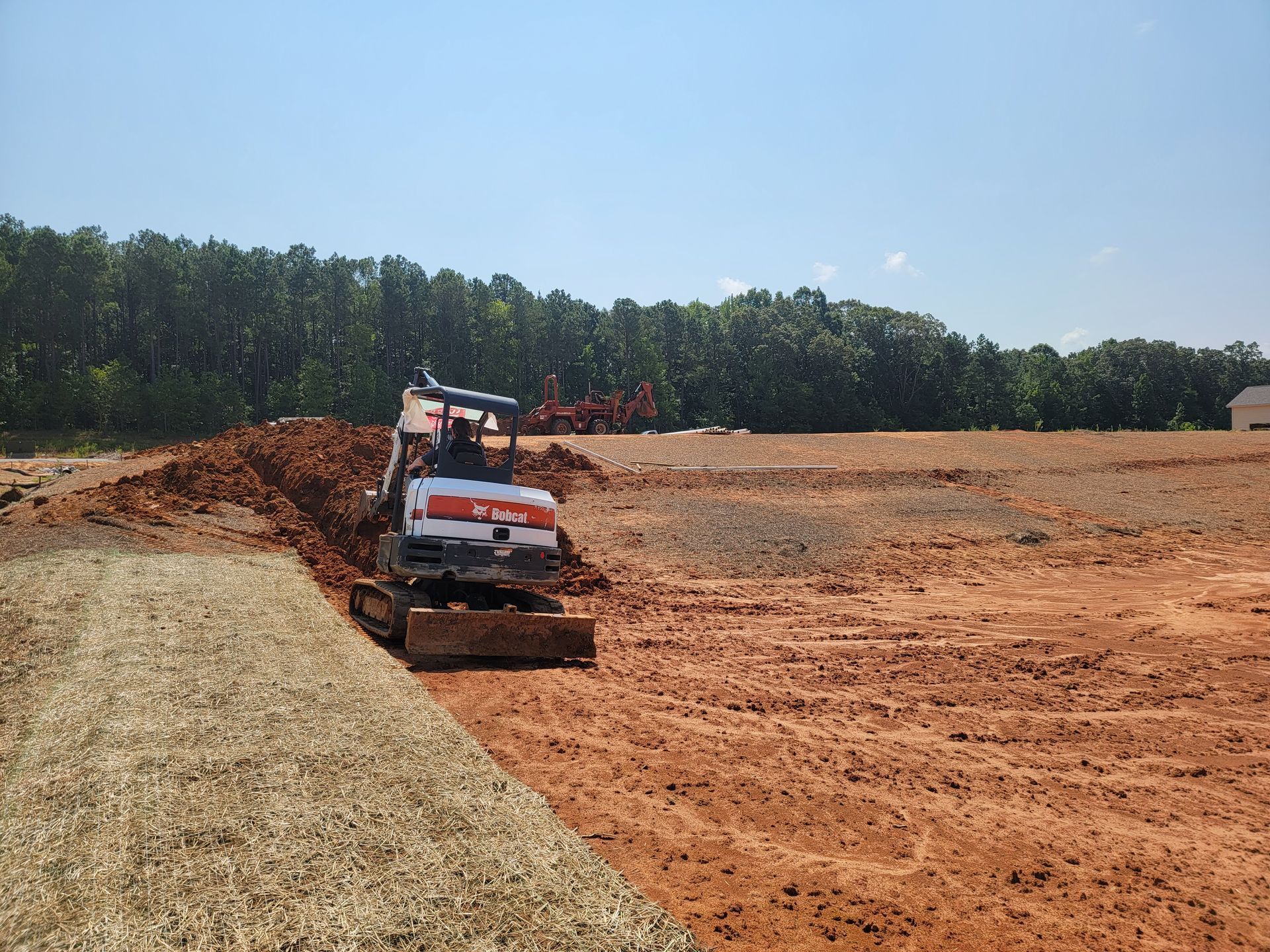
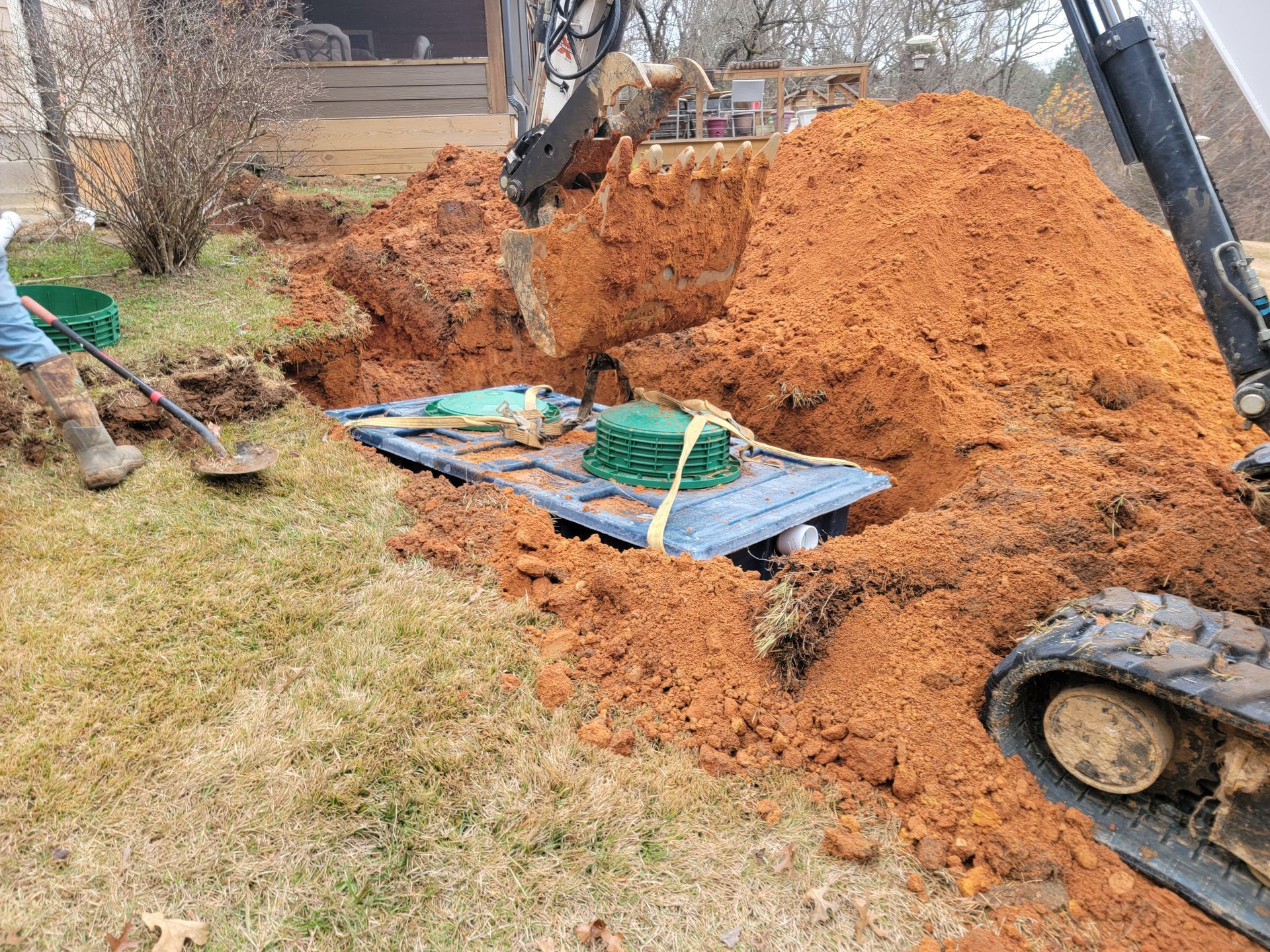
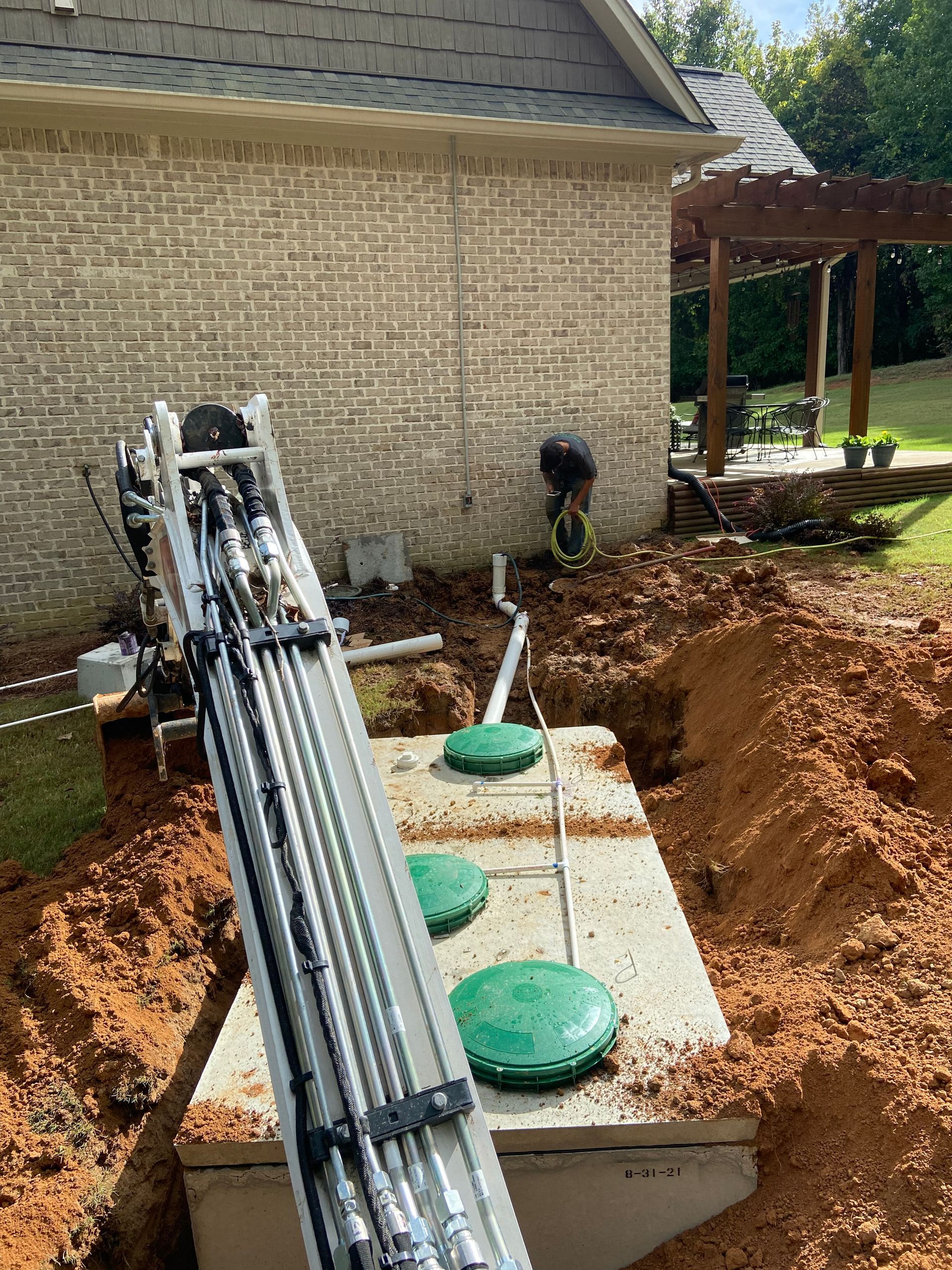
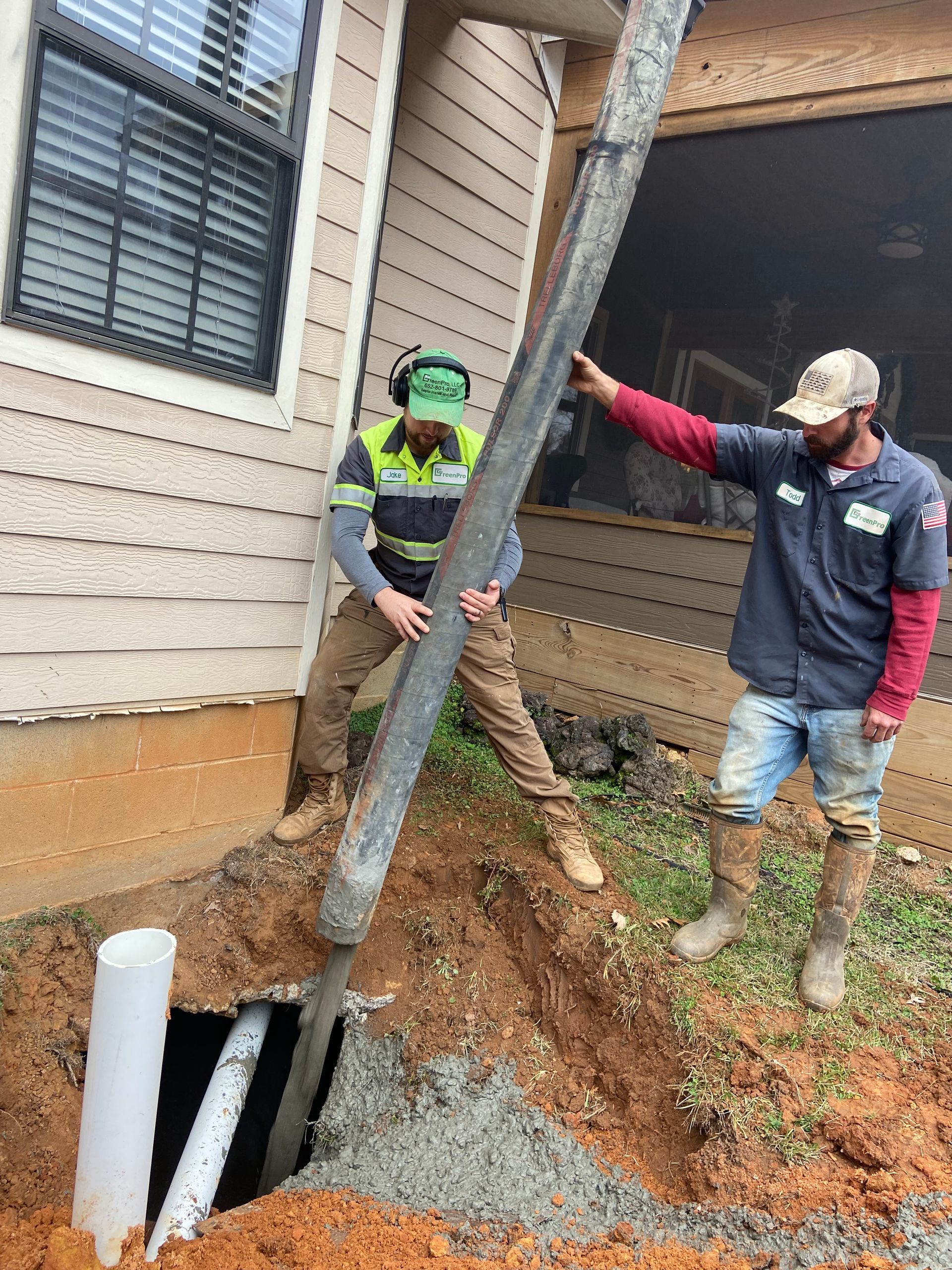
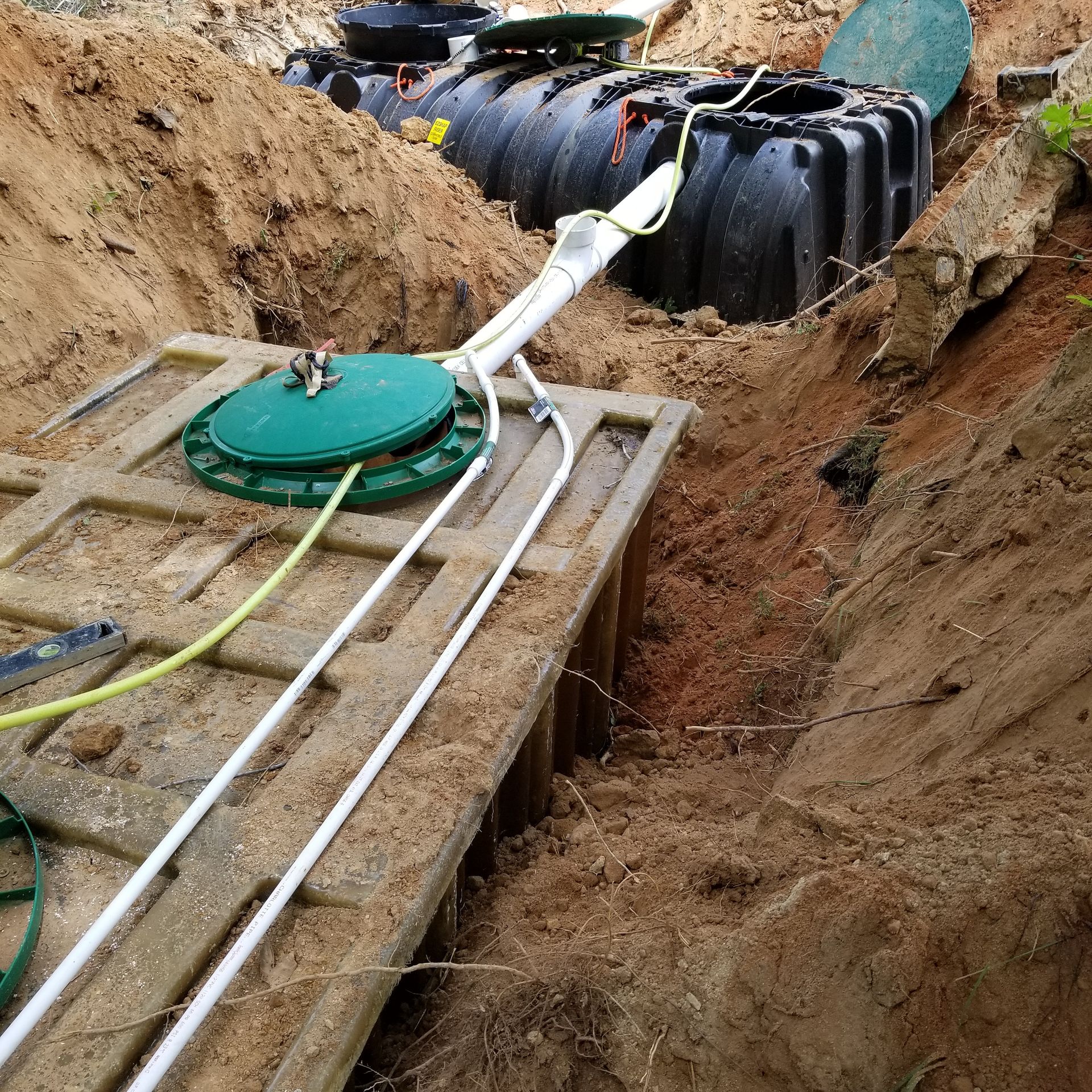
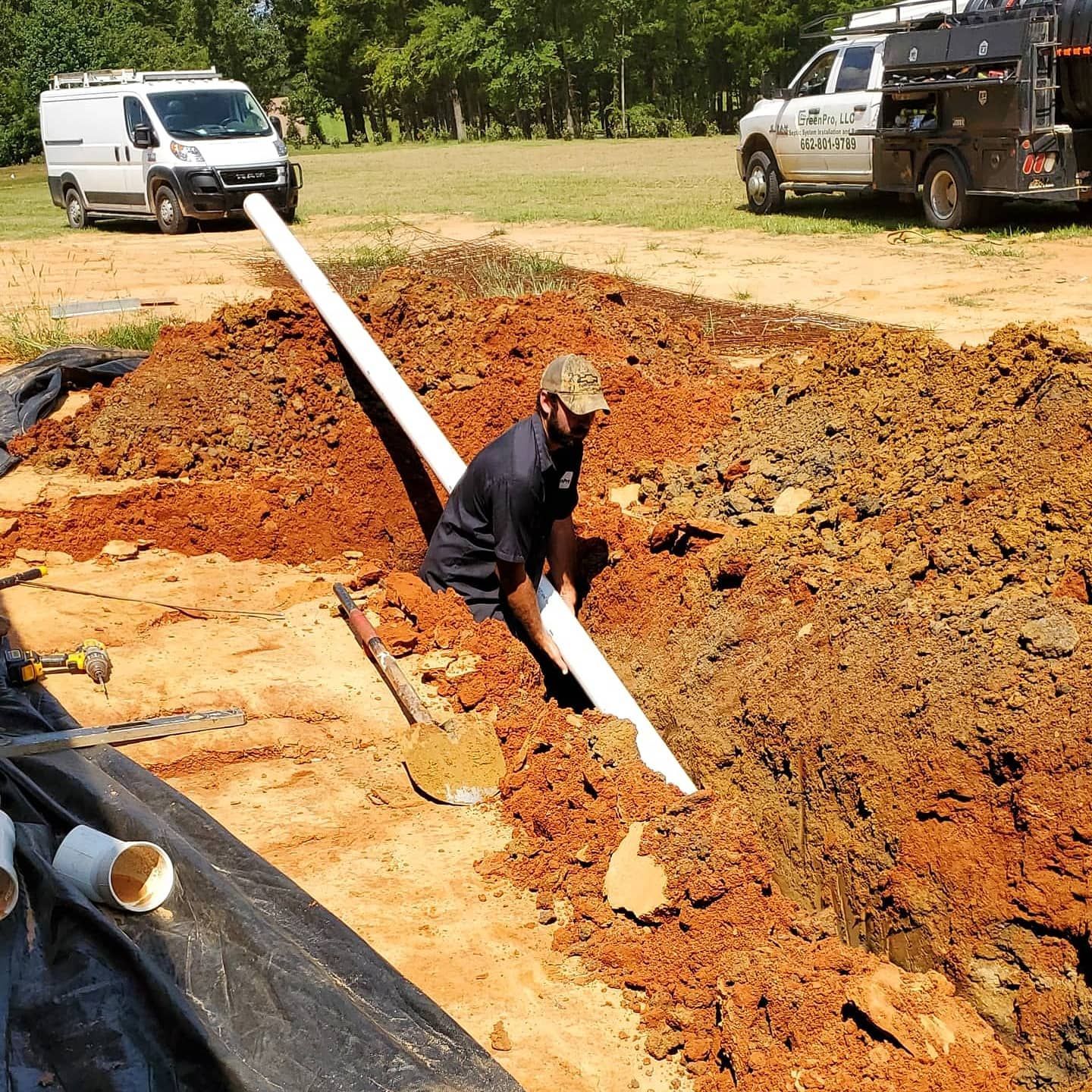
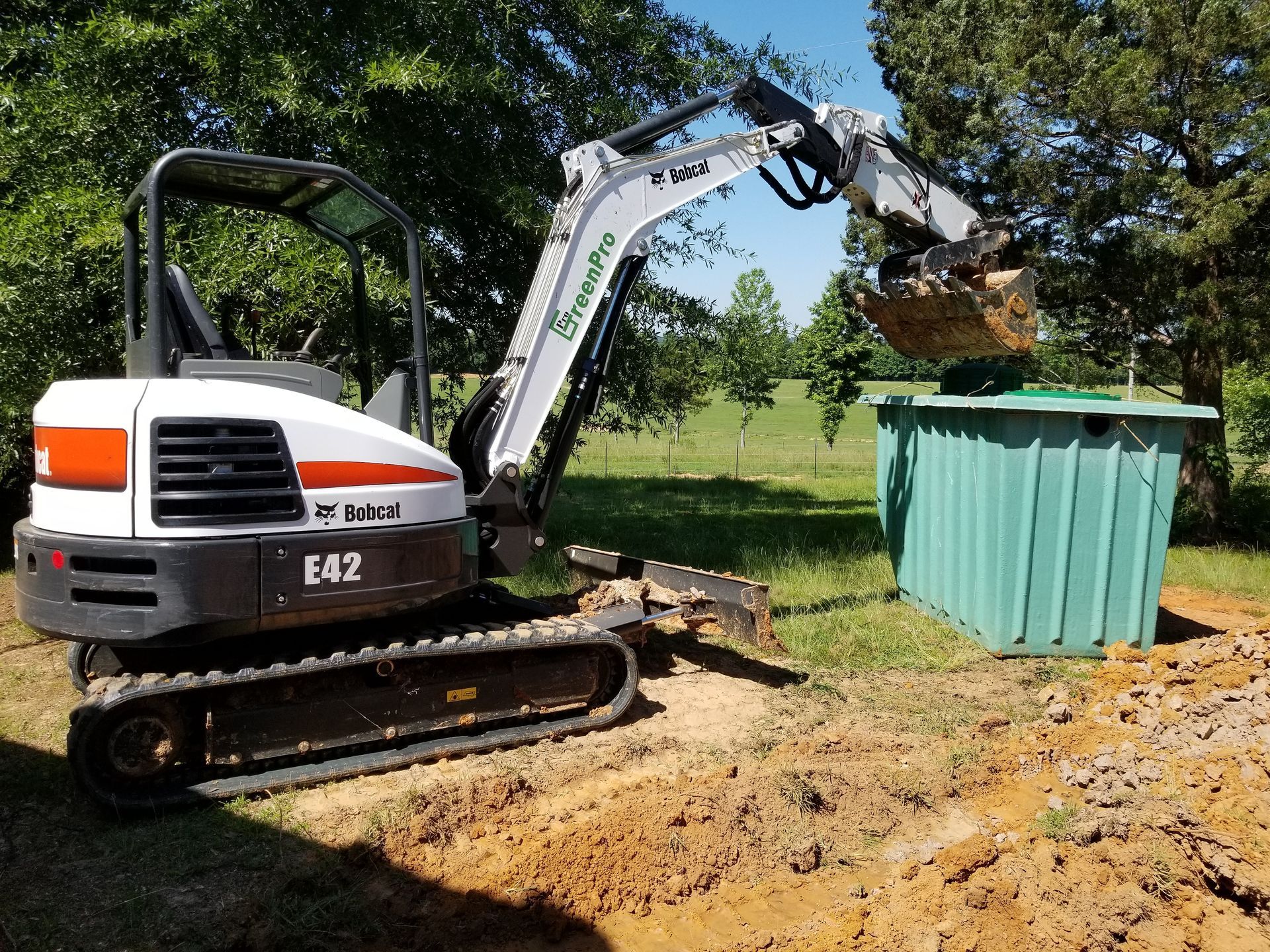
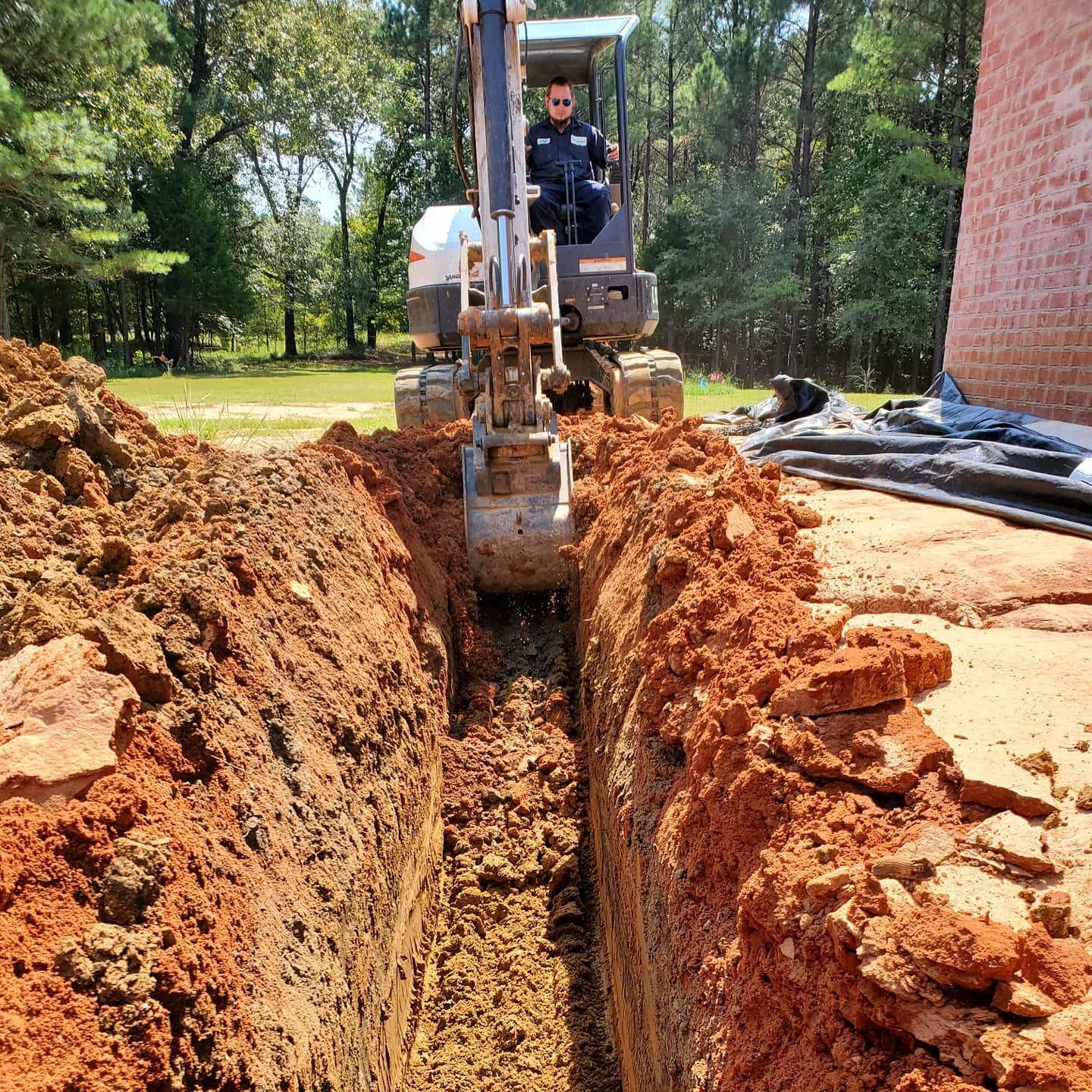
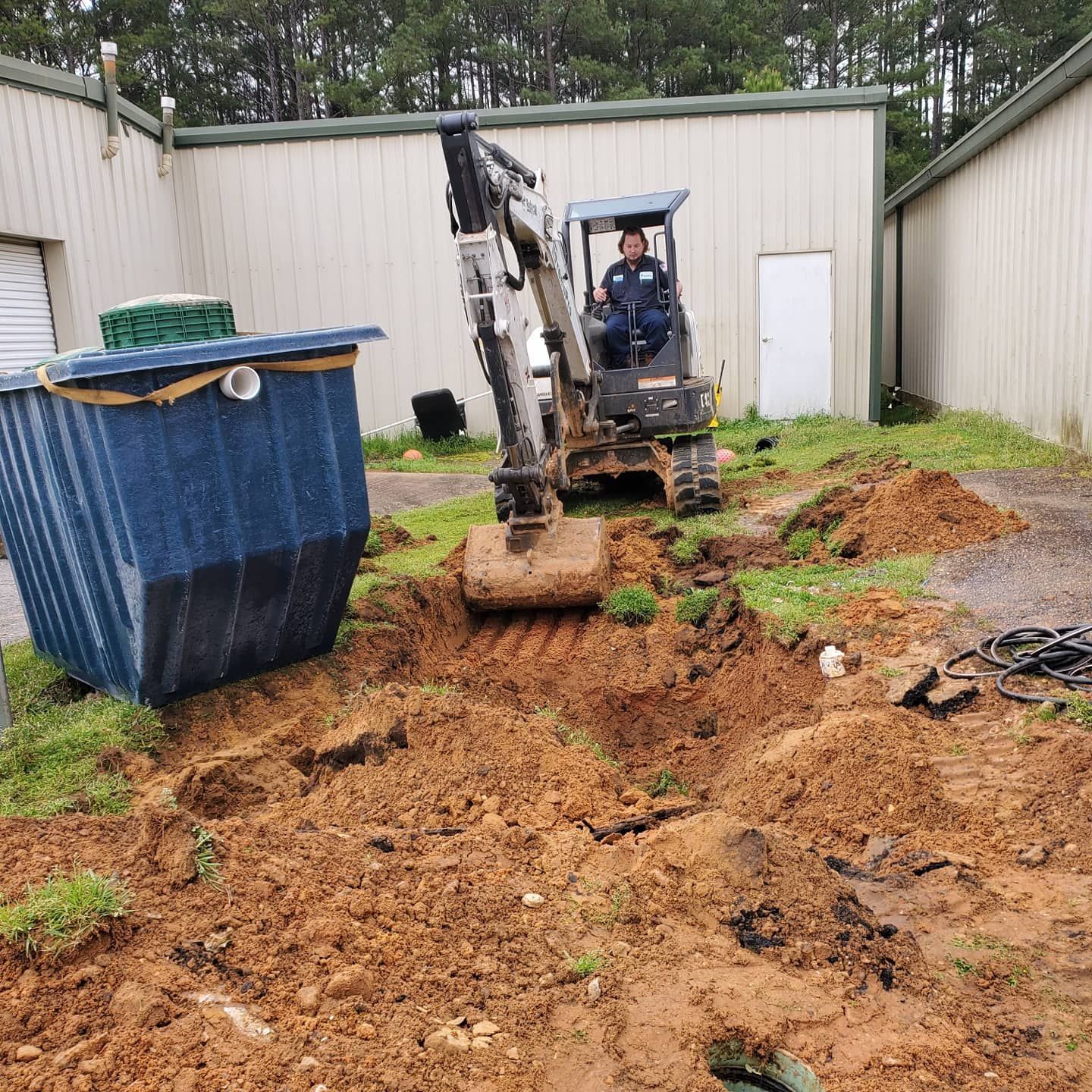
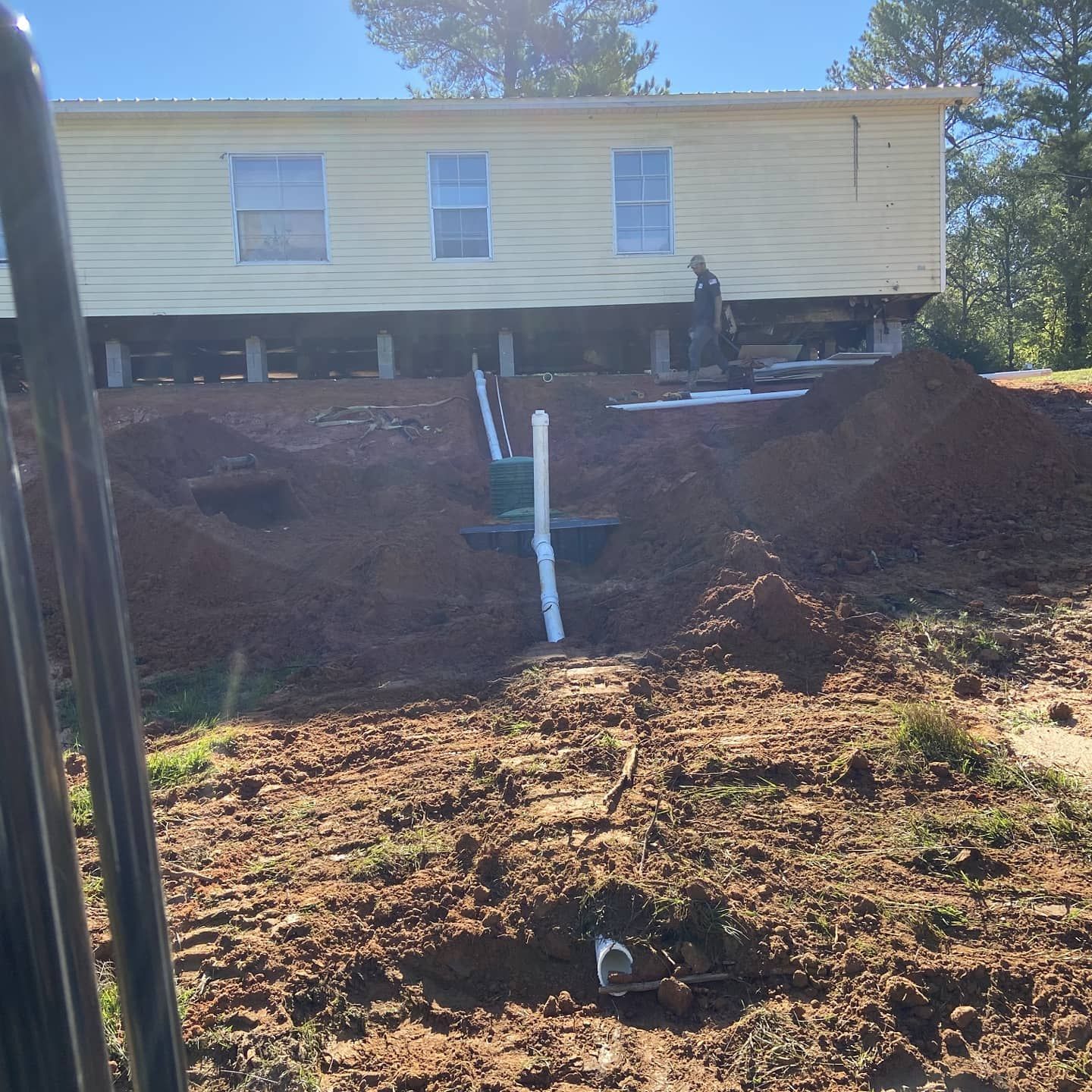
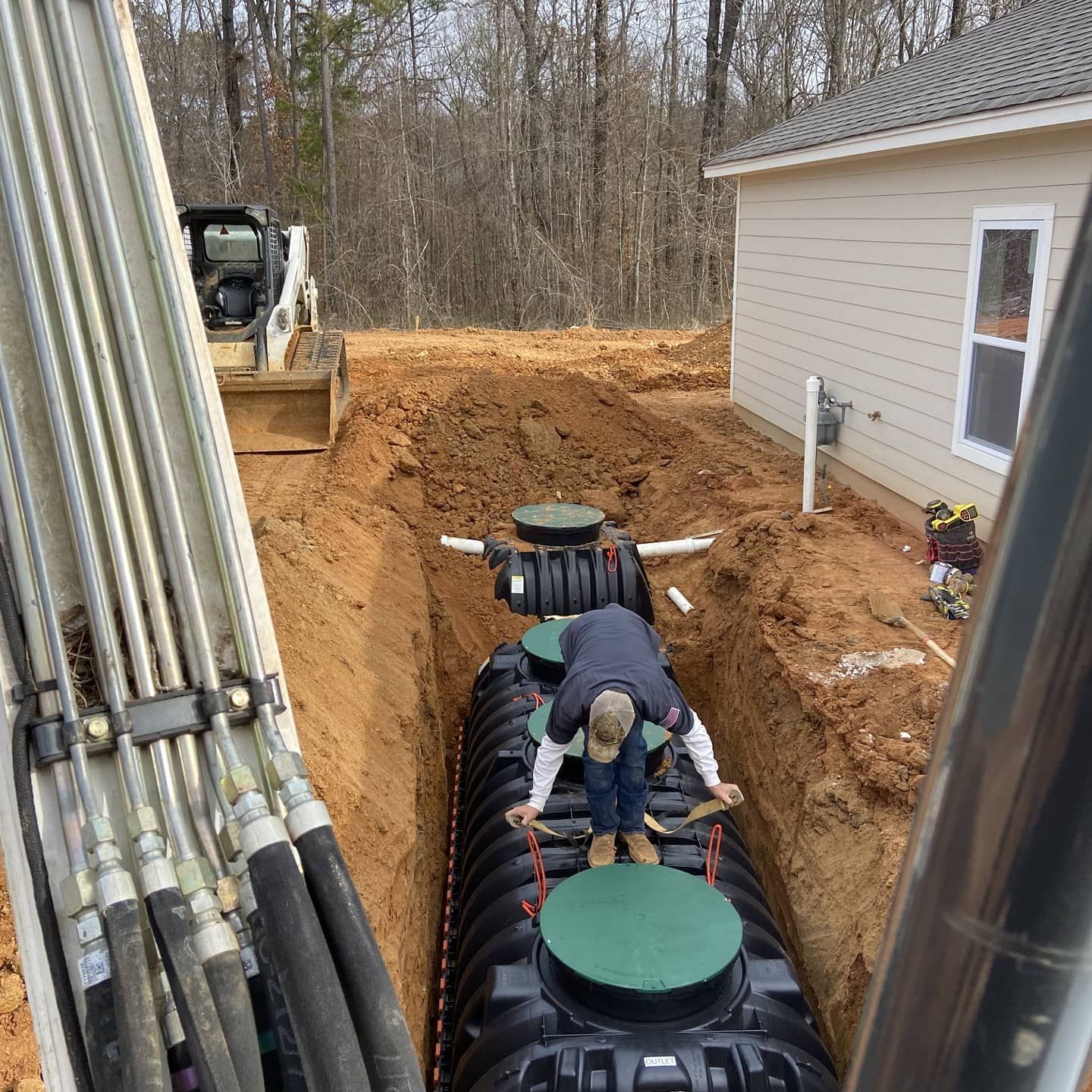
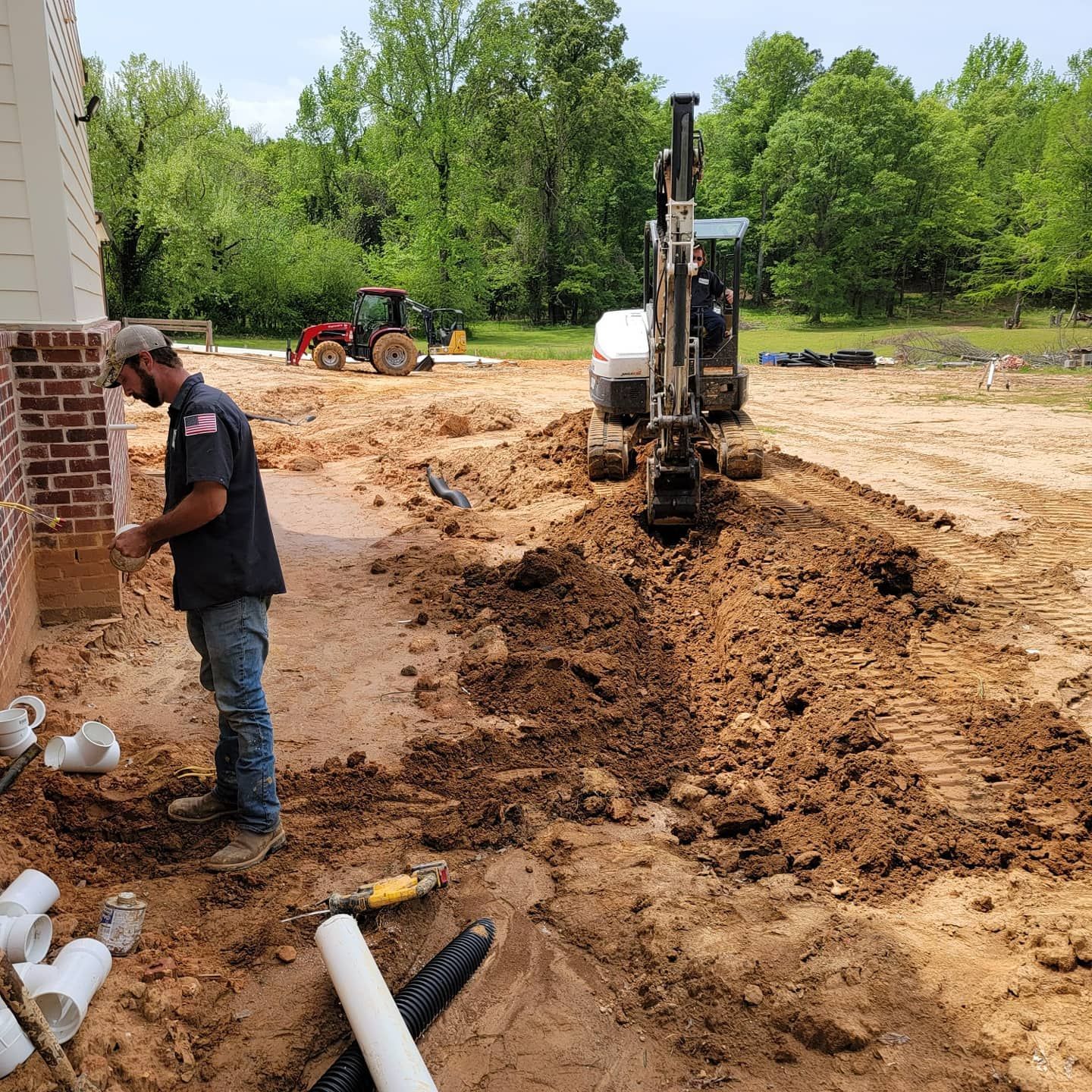
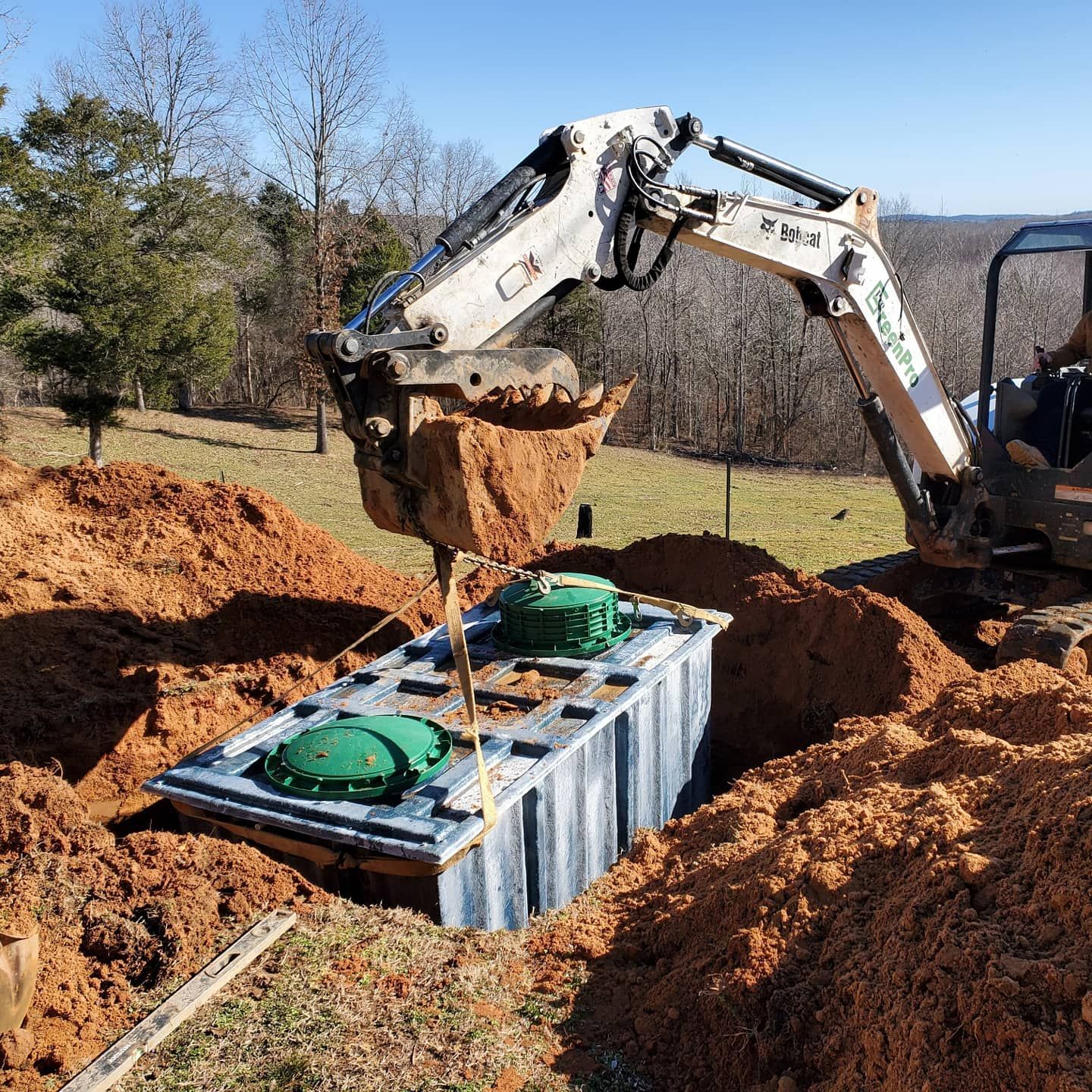
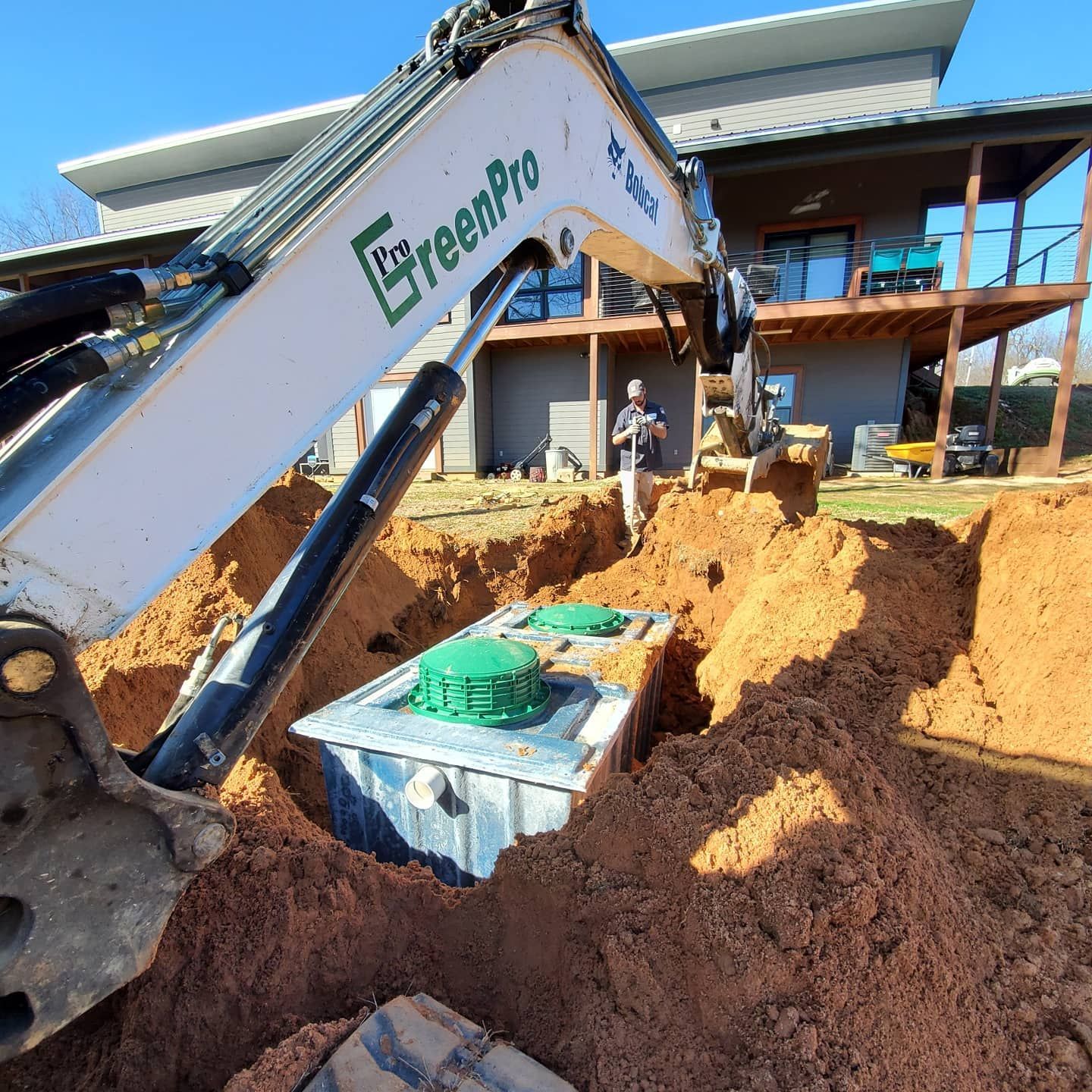
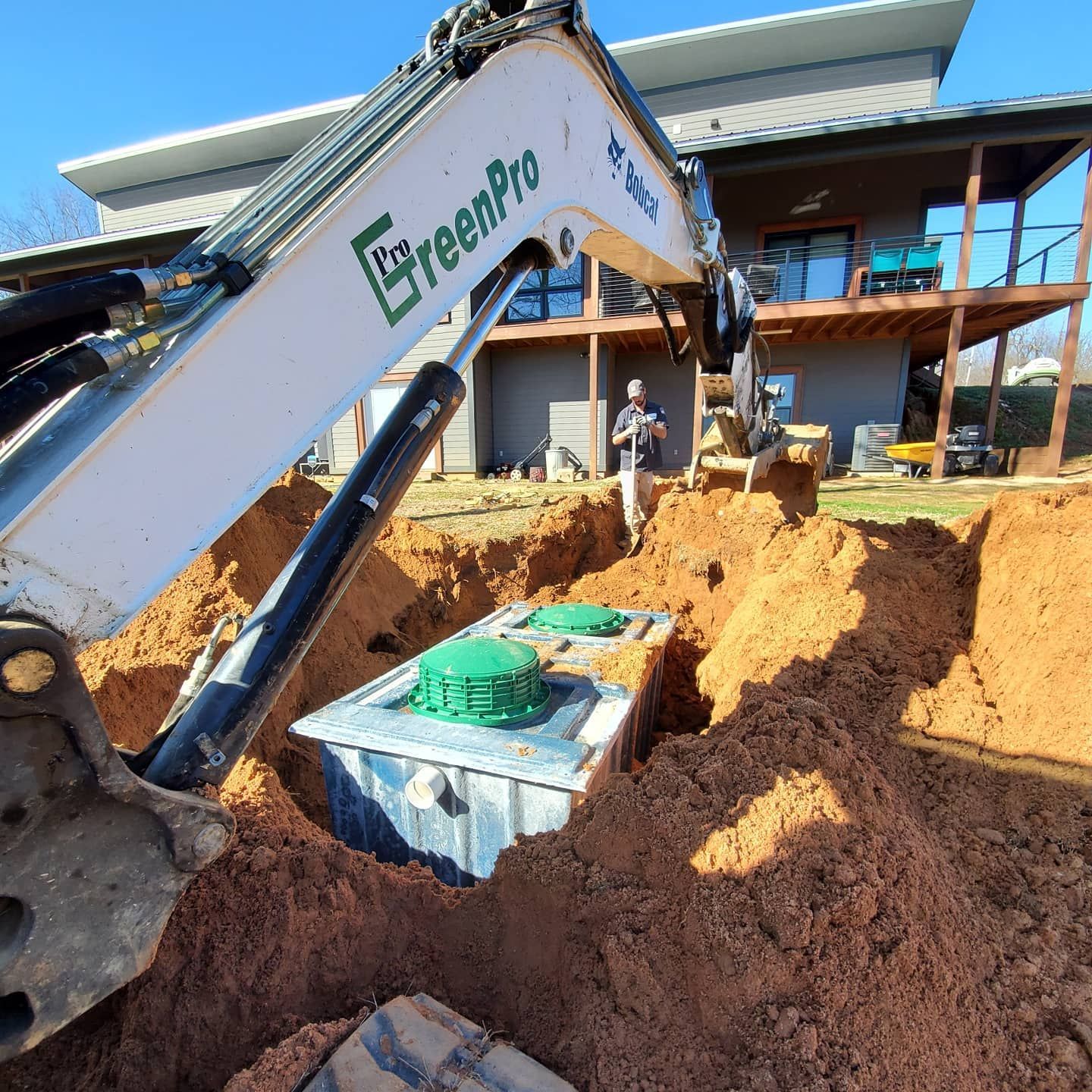
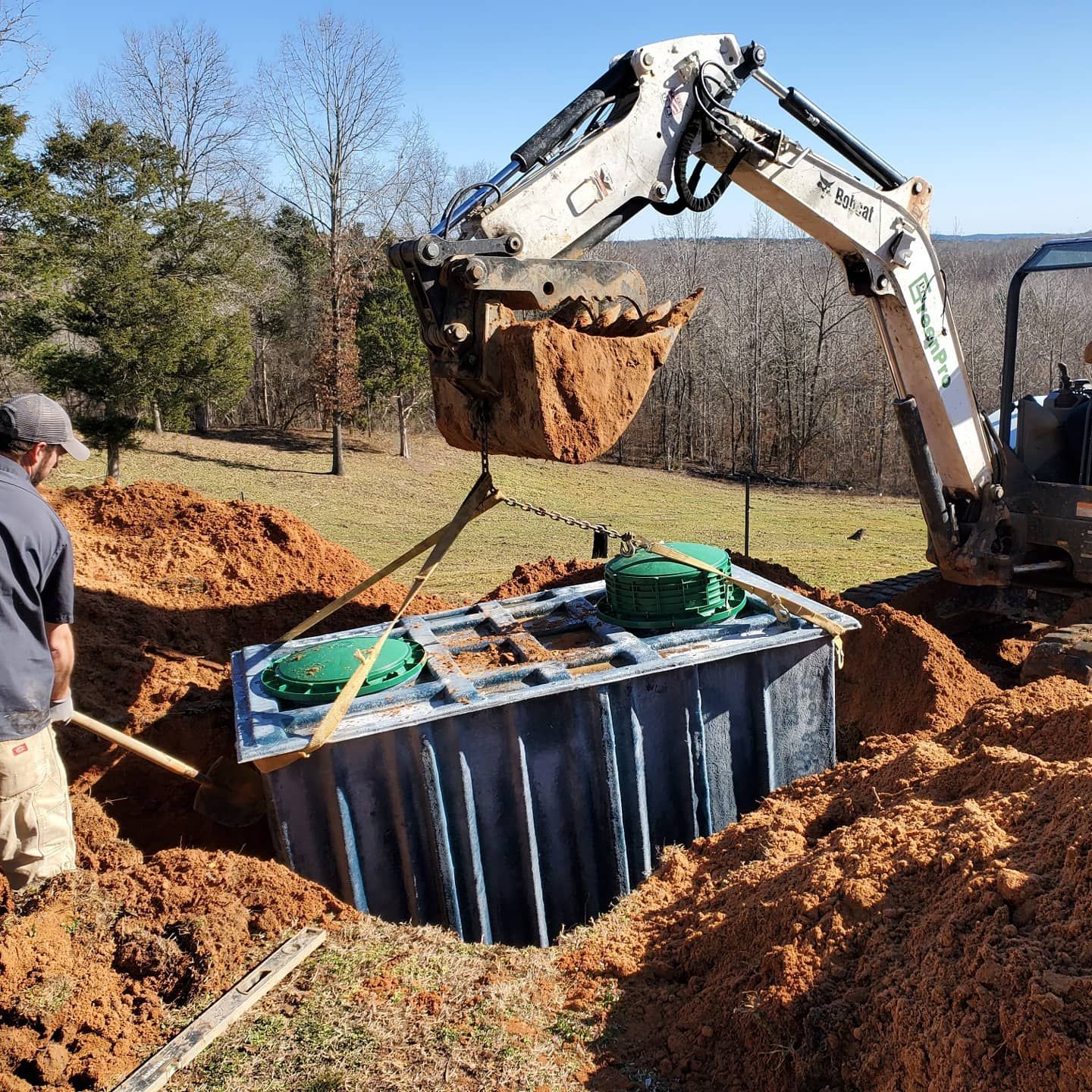
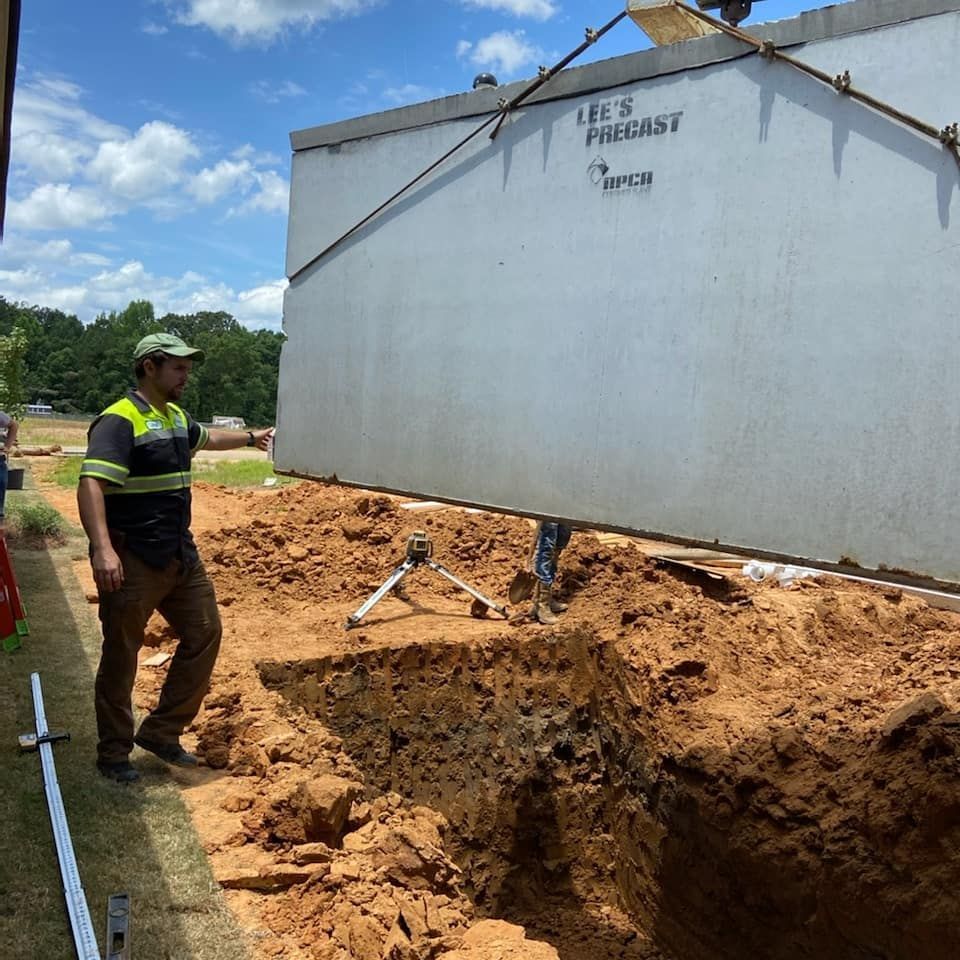
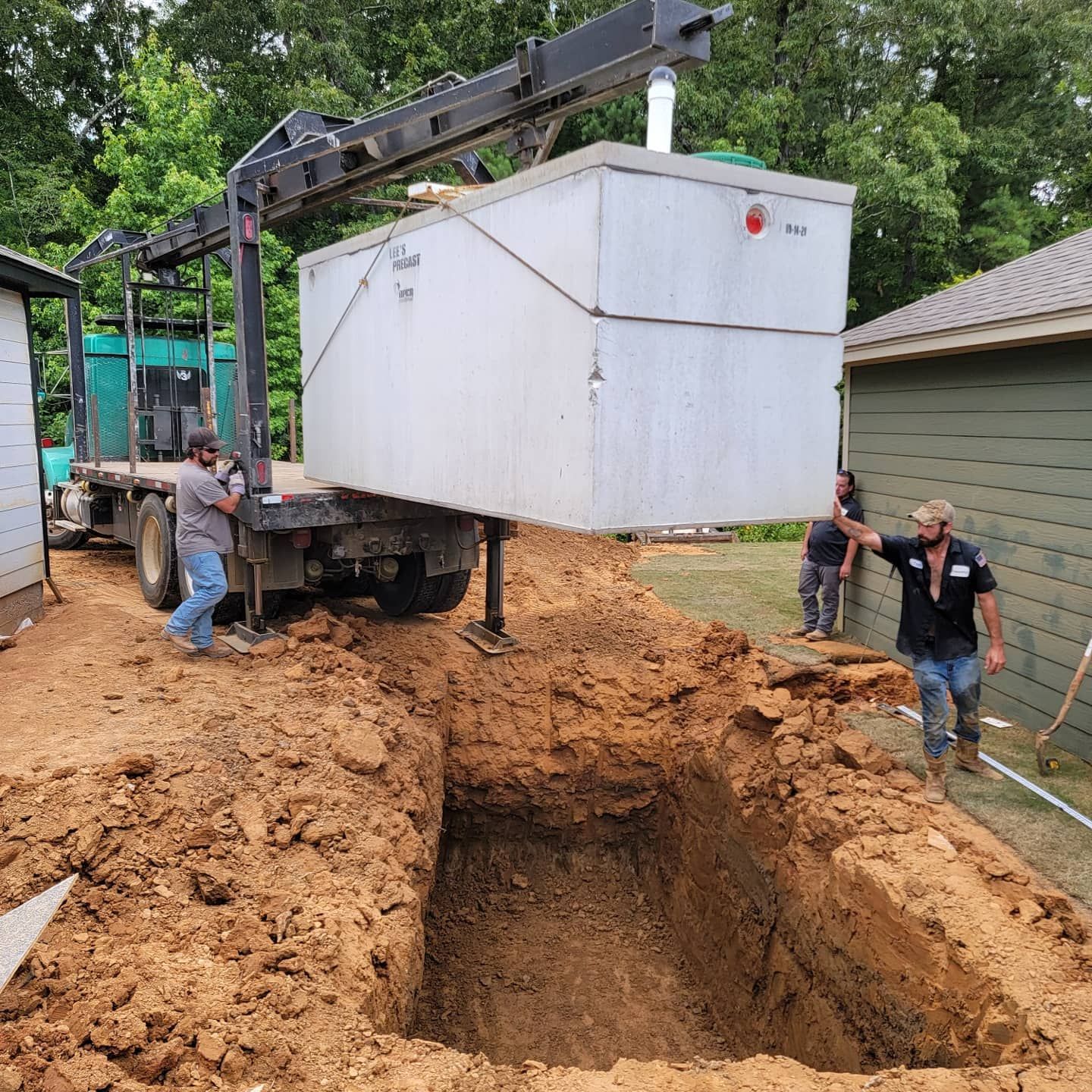
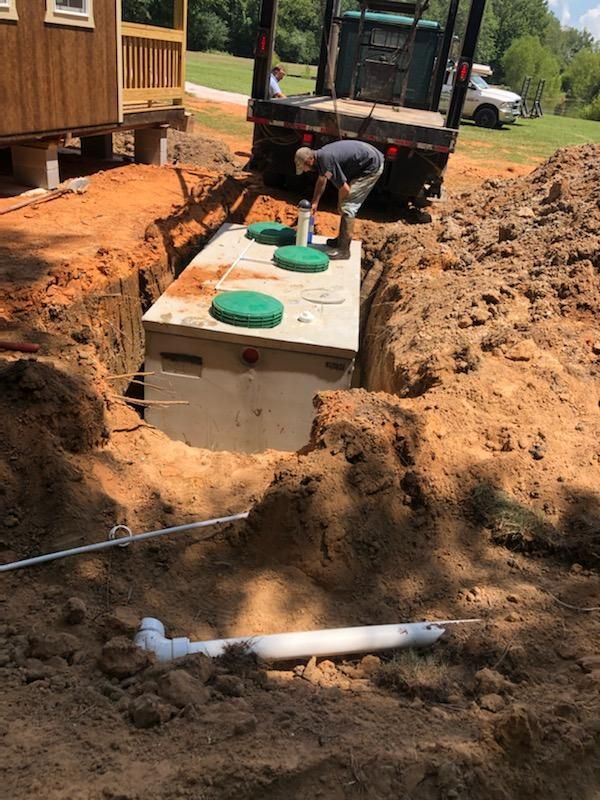
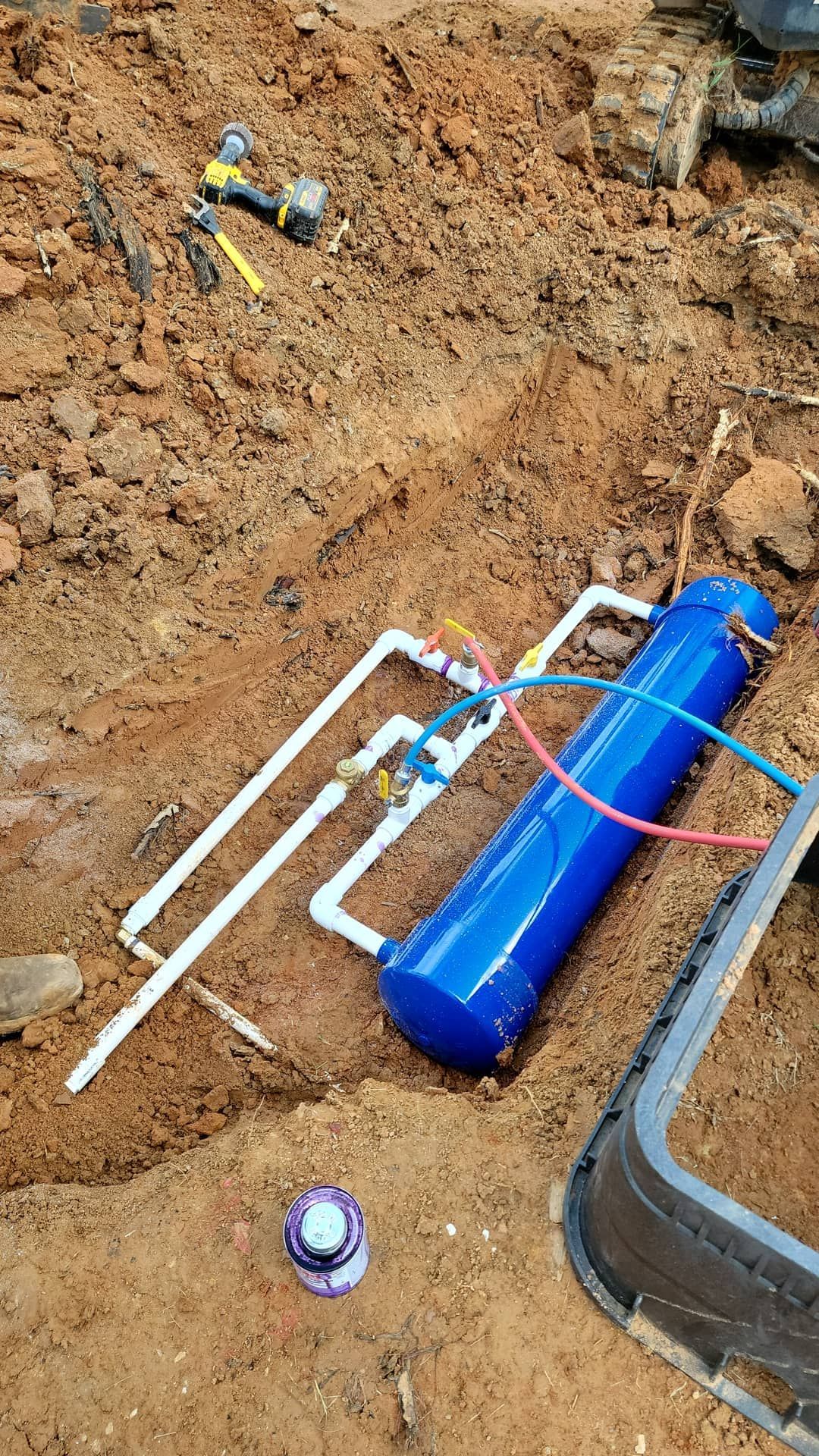
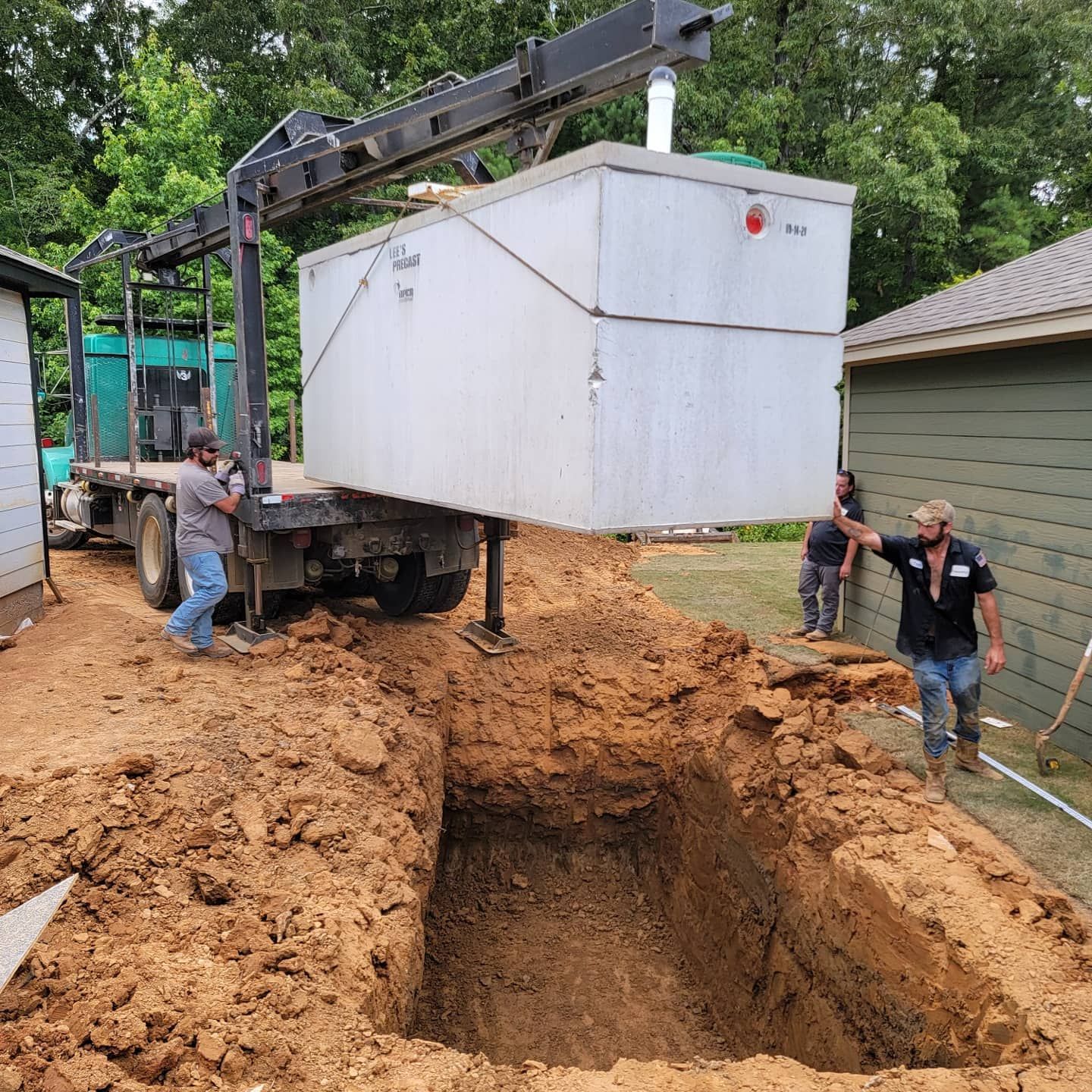
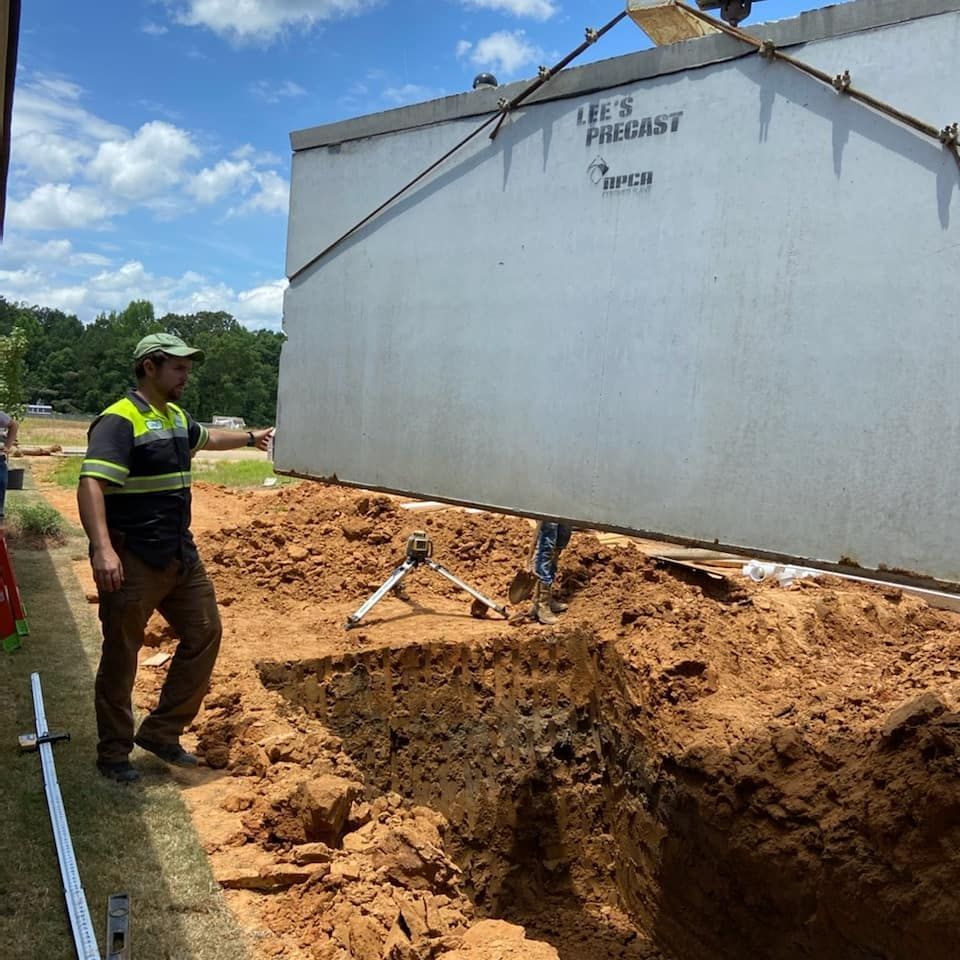
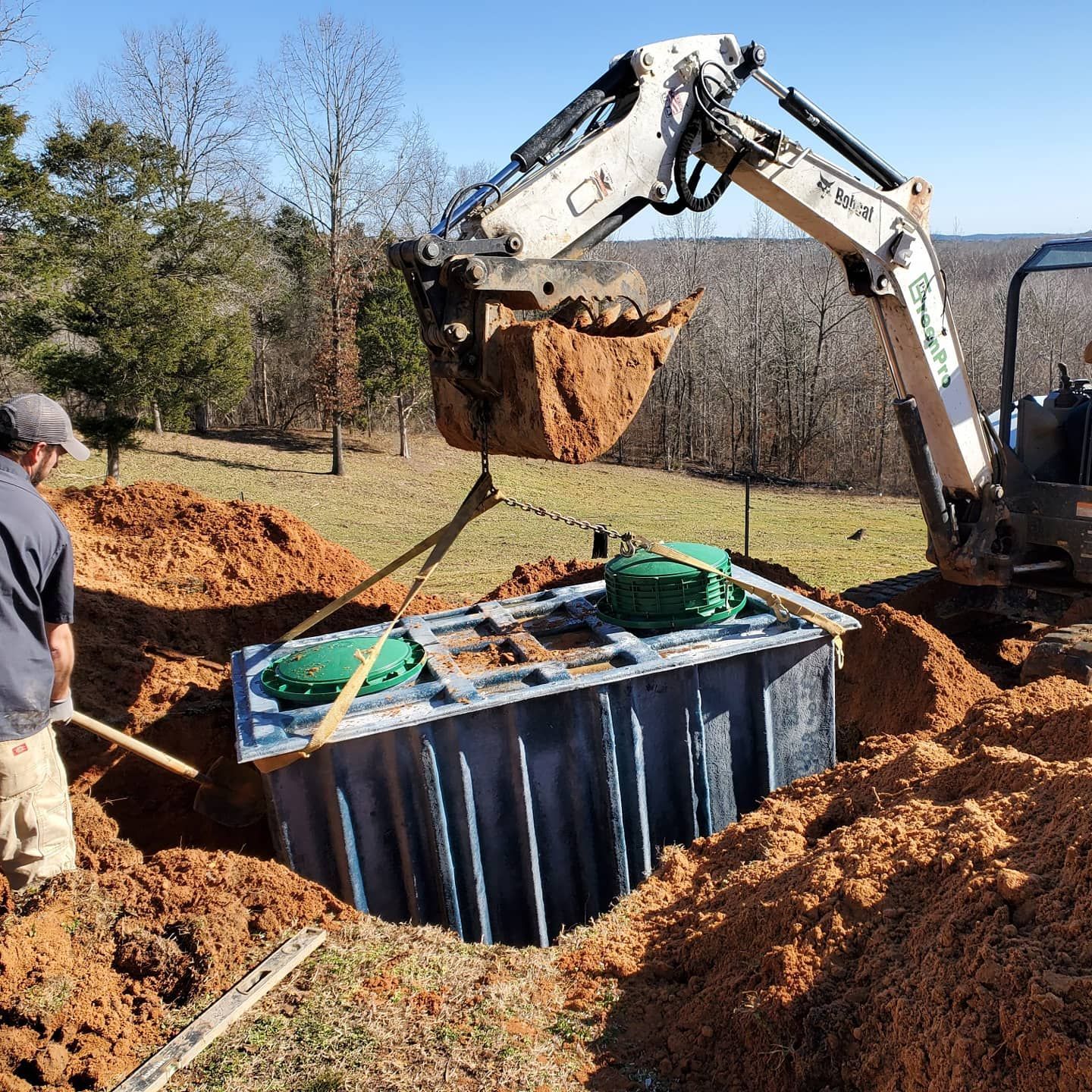
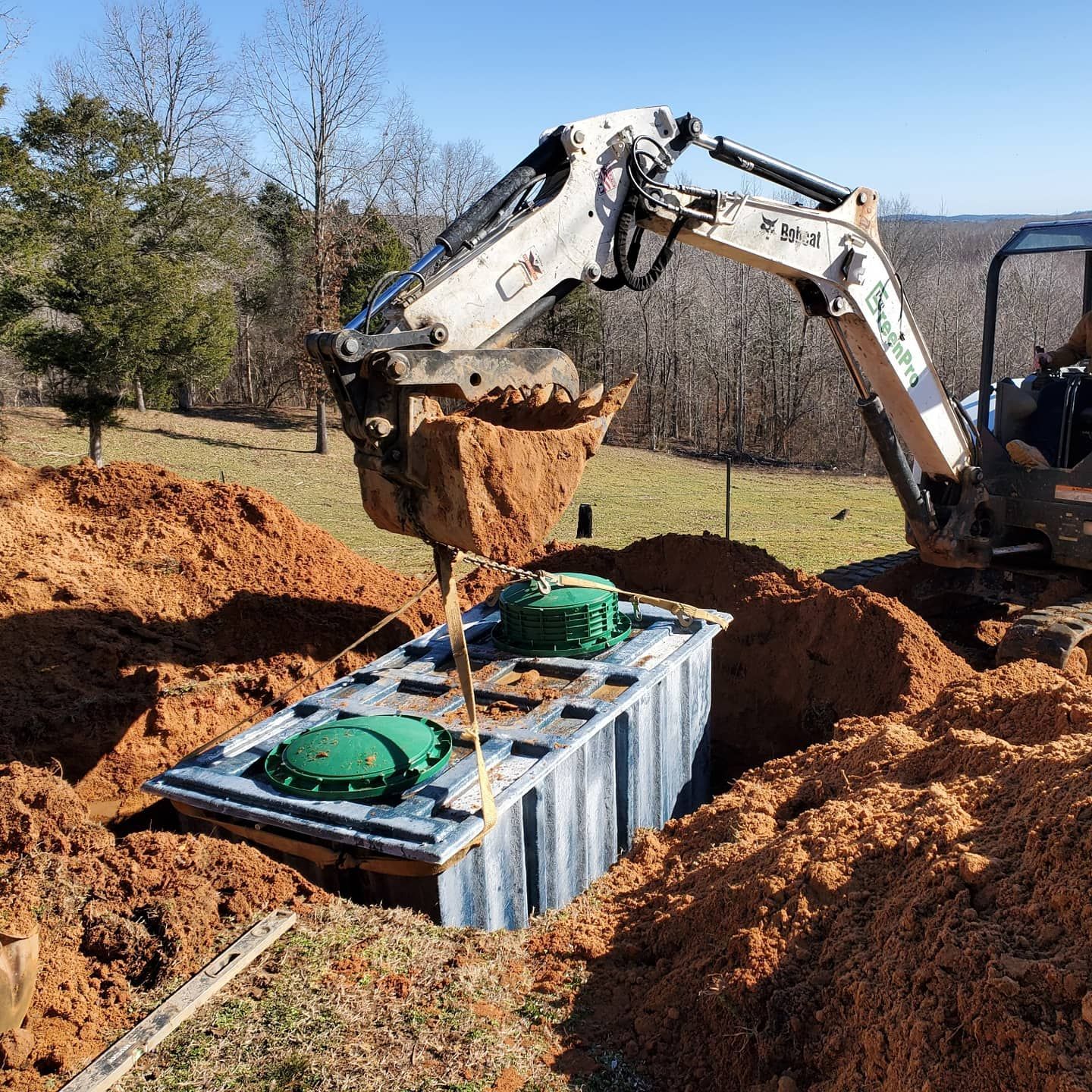
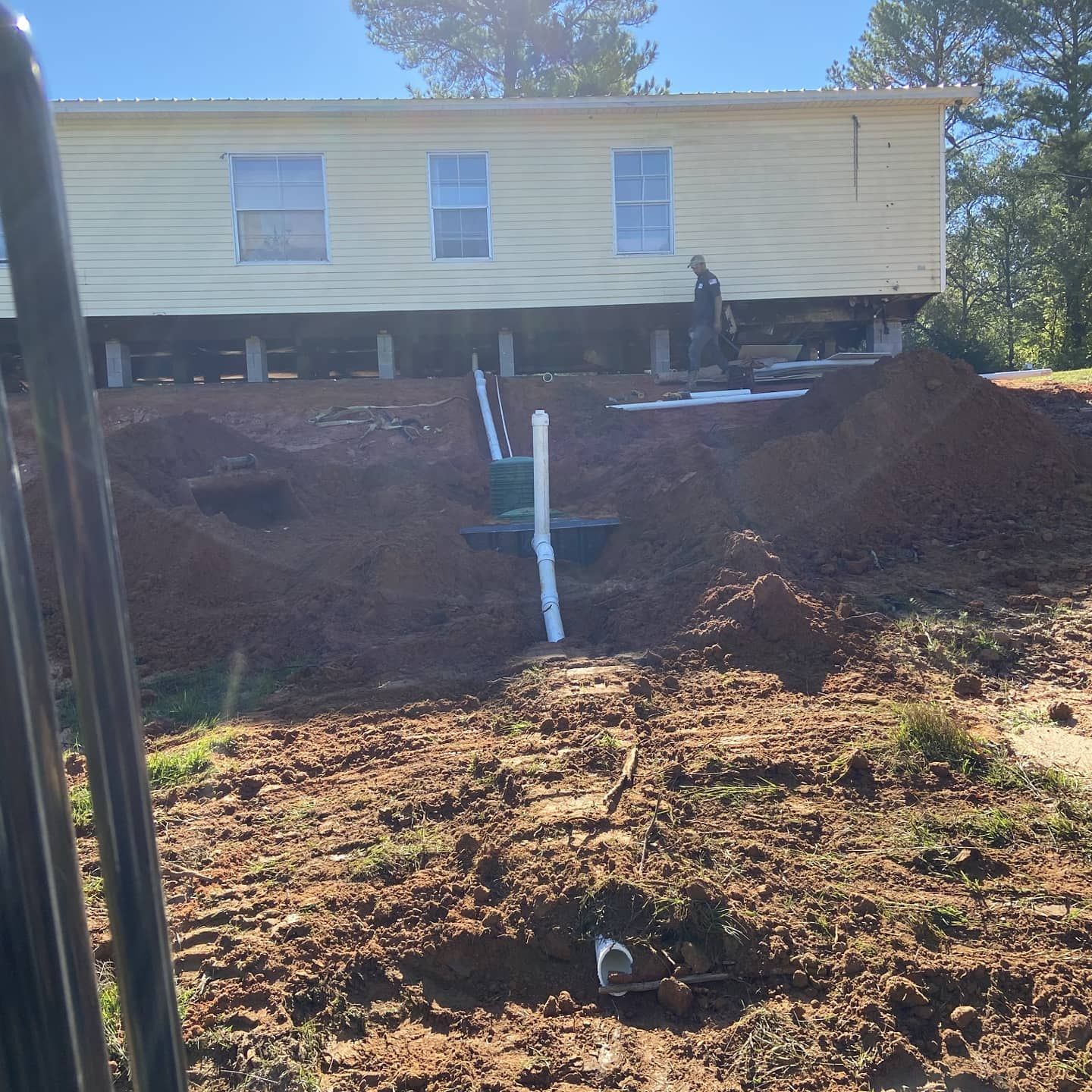
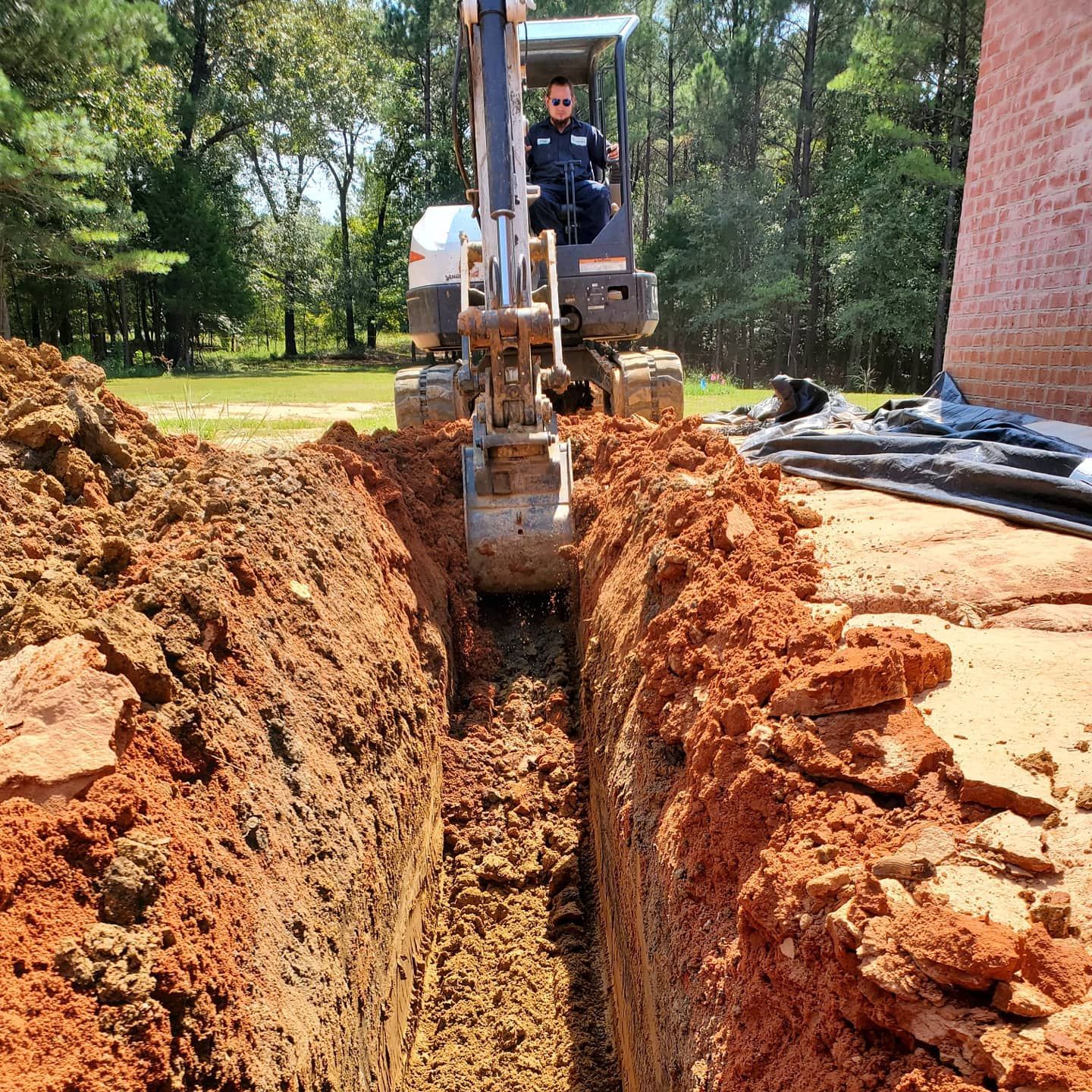
Septic tank installation is a crucial step for property owners in Holly Springs, MS, who rely on septic systems for wastewater management. Proper installation ensures the efficient and environmentally responsible treatment of household sewage, protecting public health and preserving the integrity of the local ecosystem. This article provides valuable insights into the process of septic tank installation in Holly Springs, MS, highlighting key considerations and best practices for property owners. Site Assessment and Permitting: Before embarking on a septic tank installation project in Holly Springs, MS, property owners must conduct a thorough site assessment to determine the suitability of the location for a septic system. Factors such as soil type, groundwater levels, lot size, and proximity to water bodies or wells are critical considerations. Additionally, property owners must obtain the necessary permits from local health departments or regulatory agencies before commencing installation to ensure compliance with regulations and zoning ordinances. Design and Sizing: The design and sizing of the septic tank system are essential aspects of the installation process in Holly Springs, MS. Property owners should work with qualified septic system professionals to develop a design that meets the specific needs of their property, taking into account factors such as household size, water usage, and soil conditions. Proper sizing ensures adequate treatment and disposal of wastewater while minimizing the risk of system overload or failure. Installation Process: The installation process for septic tank systems in Holly Springs, MS, typically involves several key steps, including excavation, tank placement, inlet and outlet pipe installation, and backfilling. Experienced contractors use specialized equipment and techniques to ensure precise placement and proper alignment of components. Attention to detail during installation is crucial to prevent future issues such as leaks, clogs, or structural damage. Quality Materials and Components: Choosing quality materials and components is essential for the longevity and reliability of a septic tank system in Holly Springs, MS. Property owners should invest in durable, corrosion-resistant tanks and pipes that are designed to withstand the rigors of underground installation and operation. Additionally, adherence to industry standards and manufacturer recommendations ensures the integrity of the system and minimizes the risk of premature failure. Environmental Considerations: Environmental considerations are paramount during septic tank installation in Holly Springs, MS, to minimize the impact on the surrounding ecosystem. Property owners should take measures to protect nearby water sources, wetlands, and wildlife habitats from contamination during excavation and construction activities. Proper erosion control, sedimentation prevention, and restoration of disturbed areas are essential for preserving environmental quality and complying with regulatory requirements. Ongoing Maintenance and Care: Once the septic tank system is installed in Holly Springs, MS, property owners must prioritize ongoing maintenance and care to ensure its continued functionality and longevity. Regular inspections, pumping, and servicing by qualified professionals are essential to prevent malfunctions, backups, and environmental contamination. Property owners should also adhere to responsible waste disposal practices and avoid flushing non-biodegradable materials or harmful chemicals down the drain. Conclusion: Septic tank installation is a significant investment for property owners in Holly Springs, MS, requiring careful planning, design, and execution to ensure success. By understanding the key insights and considerations outlined in this article, property owners can make informed decisions and work with trusted professionals to install septic tank systems that meet their needs while safeguarding public health and environmental quality.
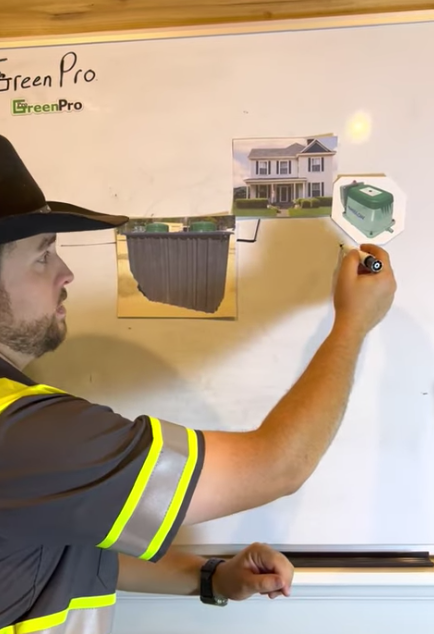
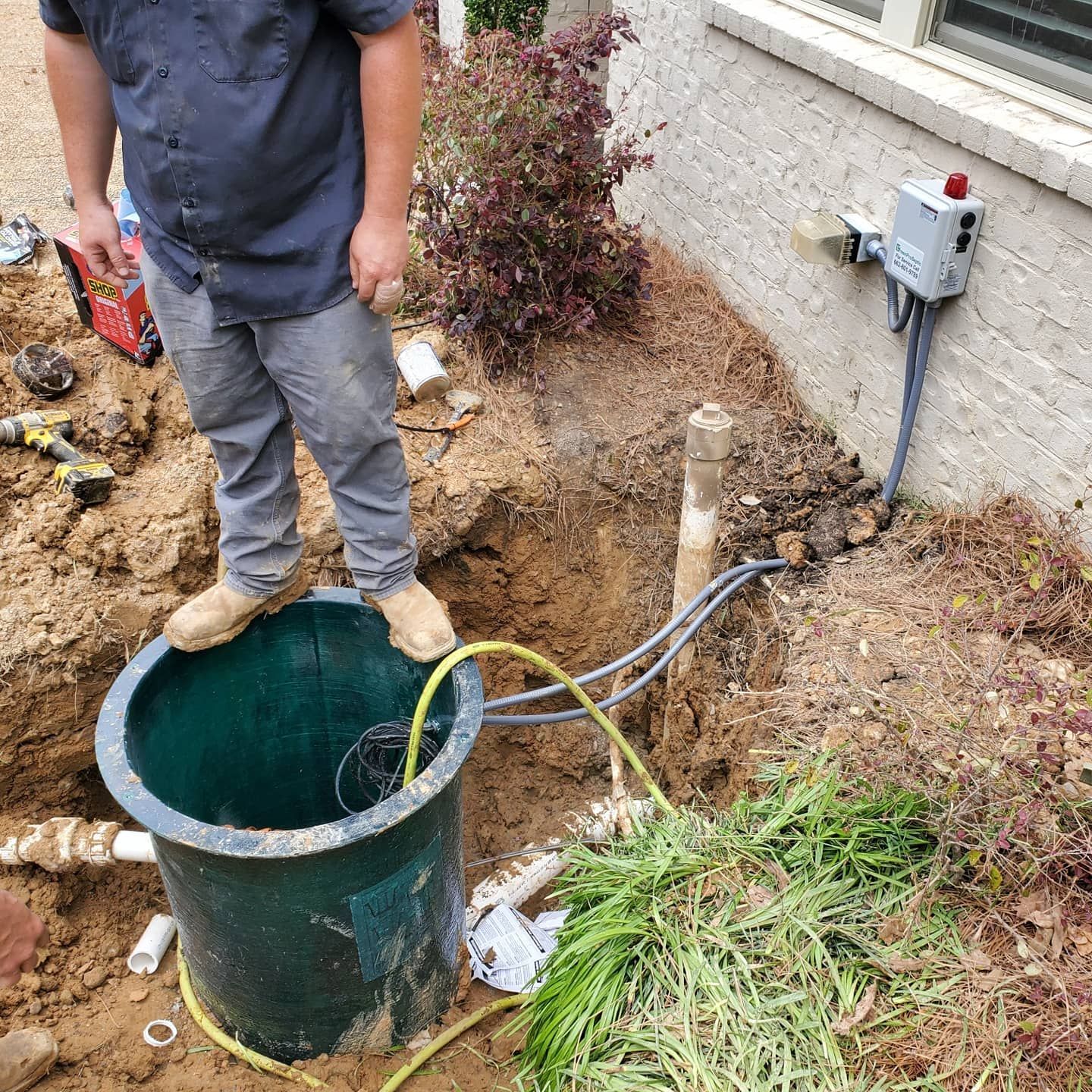
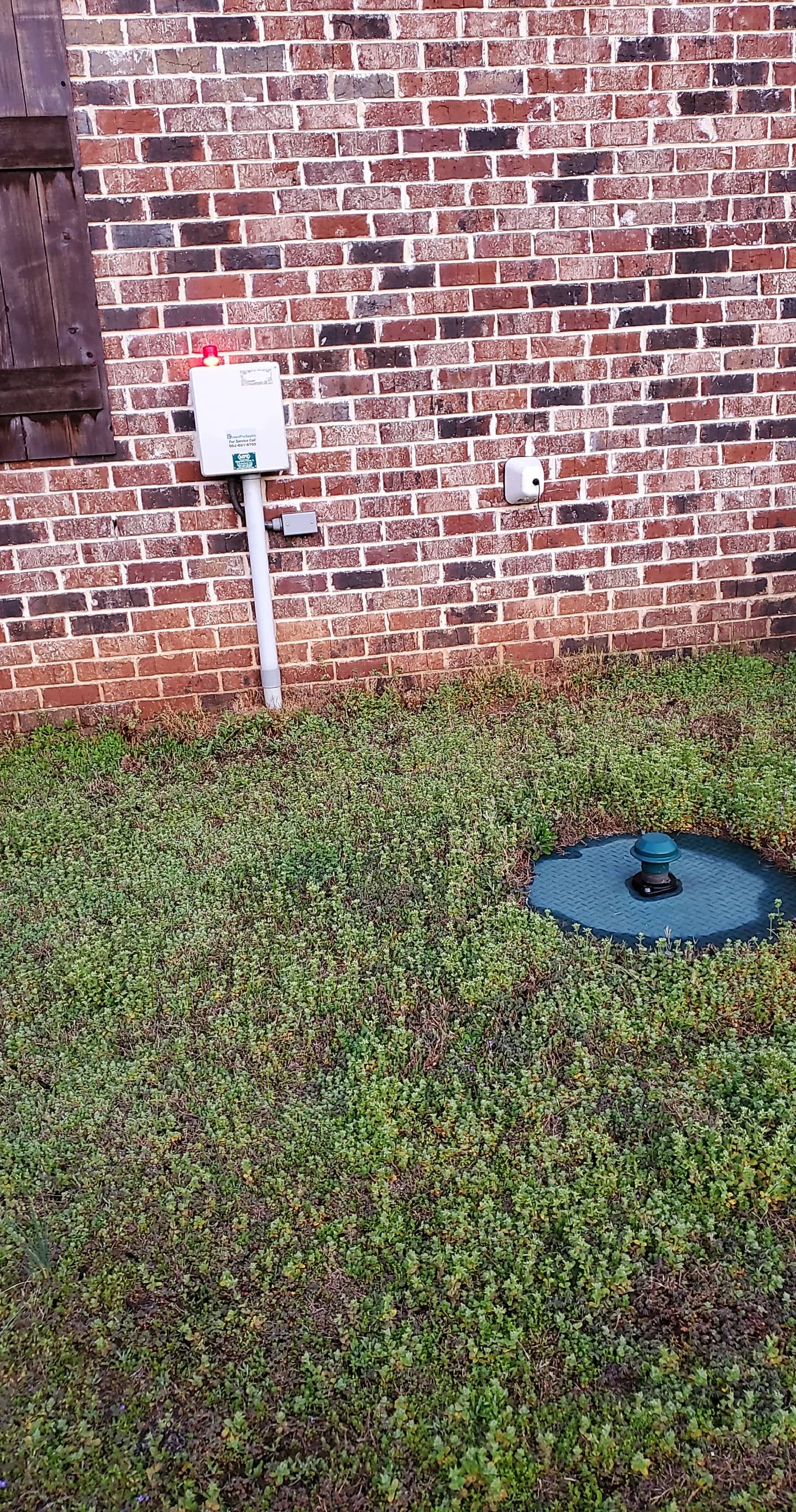
In Water Valley, MS, septic systems are a vital component of residential and commercial properties, providing efficient wastewater treatment for those not connected to municipal sewer lines. Proper maintenance of septic systems is essential to ensure their longevity, efficiency, and environmental responsibility. This article explores the importance of septic system maintenance in Water Valley, MS, and provides valuable insights into effective maintenance practices for property owners. Understanding the Role of Septic System Maintenance: Septic system maintenance involves regular inspections, pumping, and servicing to prevent malfunctions, backups, and environmental contamination. In Water Valley, MS, where septic systems are prevalent, proactive maintenance is critical to preserving property value, protecting public health, and maintaining environmental integrity. Routine Inspection and Pumping: Routine inspection and pumping are fundamental aspects of septic system maintenance in Water Valley, MS. Property owners should schedule regular inspections by qualified technicians to assess the condition of their septic tanks, identify any signs of deterioration or damage, and determine the appropriate frequency for pumping based on household size and usage. Regular pumping removes accumulated solids and prevents system overload, ensuring optimal performance and longevity. Proper Waste Disposal Practices: Proper waste disposal practices are essential for maintaining the efficiency of septic systems in Water Valley, MS. Property owners should avoid flushing non-biodegradable materials, chemicals, grease, and excessive amounts of household cleaners down the drain, as these can disrupt the natural biological processes within the septic tank and lead to system failure. Educating residents about responsible waste disposal practices is integral to effective septic system maintenance. Drainfield Care and Preservation: The drainfield plays a crucial role in the function of a septic system by facilitating the final treatment and disposal of wastewater. To maintain the efficiency of the drainfield in Water Valley, MS, property owners should avoid compacting the soil, planting trees or shrubs near the drainfield, and parking vehicles or heavy equipment over it. Additionally, regular maintenance of the distribution box and inspection of the drainfield for signs of saturation or clogging are essential to prevent costly repairs. Monitoring and Addressing Signs of Trouble: Property owners in Water Valley, MS, should be vigilant in monitoring their septic systems for signs of trouble, such as slow drains, foul odors, sewage backups, or soggy areas near the drainfield. Prompt action should be taken to address any issues, including contacting a qualified septic system service provider for inspection and repair. Ignoring warning signs can lead to extensive damage and costly repairs. Partnering with a Trusted Service Provider: Partnering with a trusted septic system service provider in Water Valley, MS, is essential for property owners seeking reliable maintenance services. Qualified technicians can perform thorough inspections, provide expert recommendations for maintenance and repair, and offer valuable guidance on proper septic system care. By entrusting their septic system maintenance to experienced professionals, property owners can enjoy peace of mind knowing that their systems are in good hands. Conclusion: Effective septic system maintenance is essential for preserving the efficiency, functionality, and longevity of septic systems in Water Valley, MS. By implementing proactive maintenance practices, monitoring system performance, and partnering with trusted service providers, property owners can ensure the continued operation of their septic systems while safeguarding public health and environmental quality.